A fresh survey from American University's Sine Institute of Policy & Politics reveals that a striking majority of young adults hold little pride in the country's current trajectory. Released Tuesday, the poll found that 70% of respondents aged 18 to 34 said they were not proud of “where America is heading as a nation,” and a nearly identical 71% expressed the same sentiment about the state of the U.S. today.
The findings underscore a generational divide in national outlook, with younger millennials and members of Generation Z—who have come of age during periods of intense political polarization and crisis—voicing deep skepticism about the country's path. The survey's authors note that this demographic has lived through landmark events ranging from the September 11 attacks to the COVID-19 pandemic, which may shape their perspective.
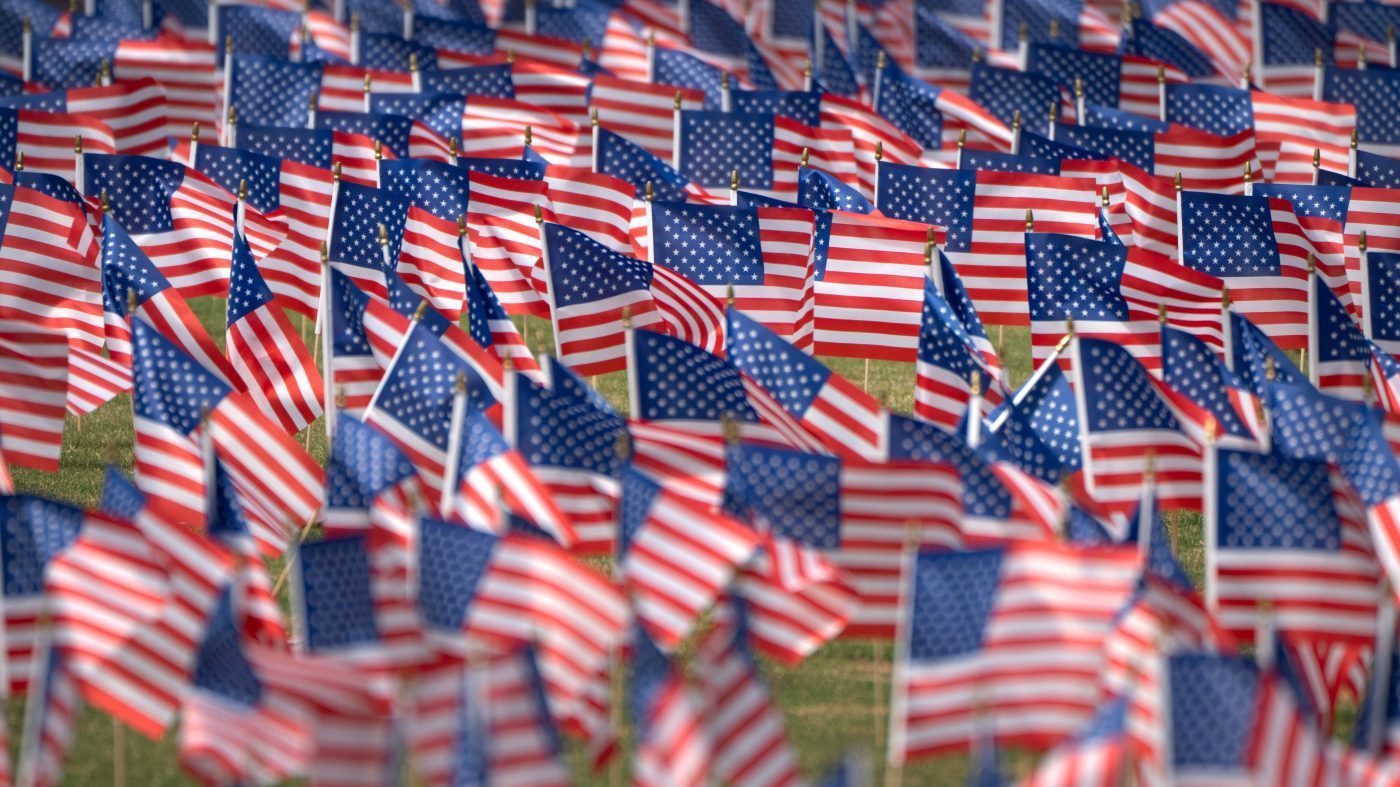
Despite the grim assessment of the present and future, 59% of respondents said they still feel proud of America's historical legacy. That nuance suggests a distinction between honoring the past and confidence in the current direction.
“Young people are navigating a rapidly changing America while carrying responsibilities that often extend far beyond themselves,” said Molly O'Rourke, senior advisor at the institute, in a report accompanying the findings. “Their views on the state of our country … tell an important story about this generation.”
The poll's release comes as public confidence in the Trump administration's handling of key issues—including the Venezuela oil deal, rising living costs, and immigration—continues to wane. According to a Decision Desk HQ polling average, President Trump's approval rating stood at 39.2% on Tuesday evening, with disapproval at 57.2%.
The survey also coincides with the 250th anniversary of the nation's founding, a moment that might otherwise inspire patriotic reflection. Instead, the data suggests a more troubled outlook among the youngest voting bloc.
Conducted between July 23 and August 1, the poll surveyed 1,031 adults. It did not specify a margin of error, but typical national surveys of this size carry a sampling error of roughly three percentage points.
Political analysts point to the broader context of public skepticism toward institutions and the administration's divisive policies as contributing factors. The results echo other recent polls showing declining trust in government among younger Americans.
“This is not just a blip,” said one political strategist familiar with youth polling. “It reflects a sustained disillusionment that could have lasting electoral implications.”
As the country grapples with questions about its future, the voices of these young adults—many of whom are newly eligible to vote—will likely play a pivotal role in shaping the political landscape.