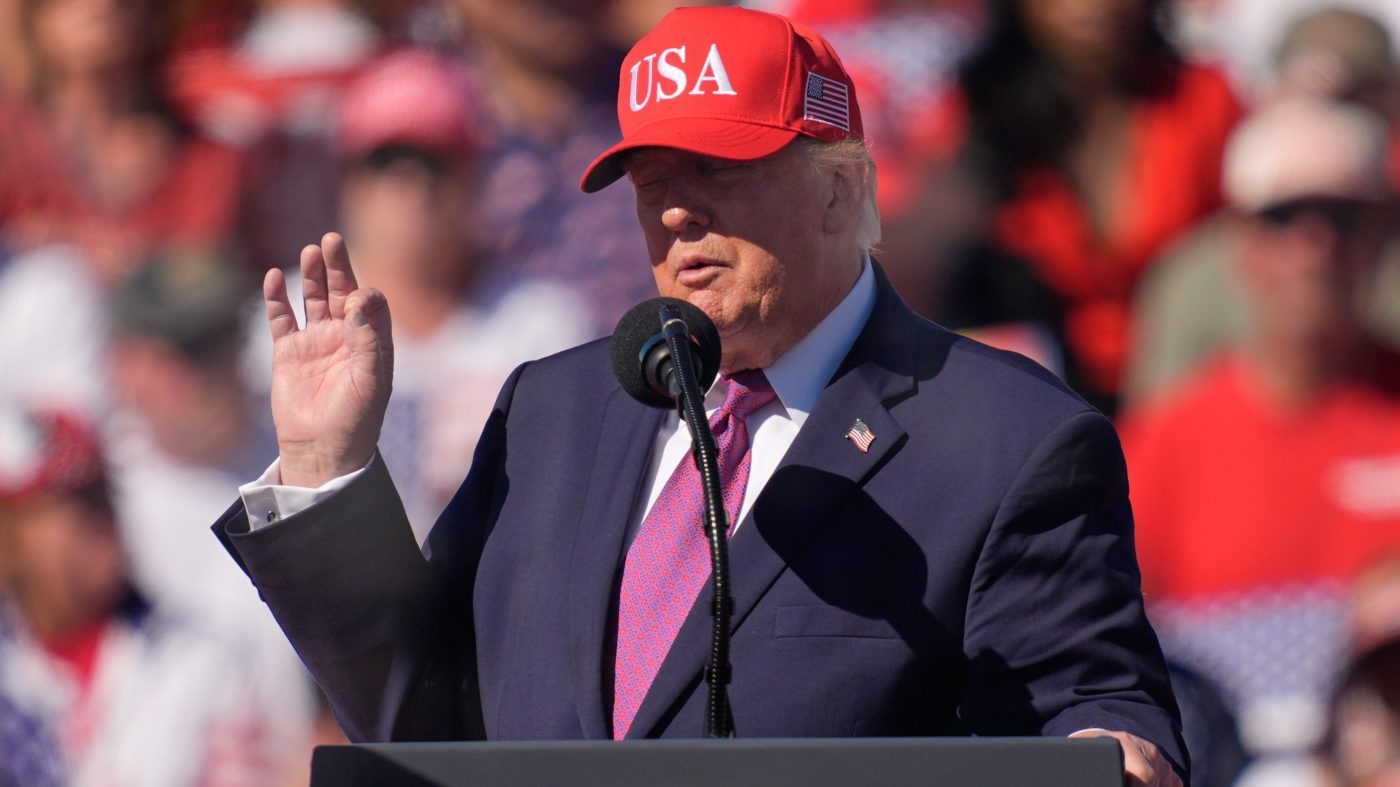
As the U.S. military campaign in Iran enters its seventh month, President Trump has vowed to continue "as long as necessary." More than 750 American troops have been killed or wounded since the Feb. 28 strike, while Iranian casualties surpass 37,000. Yet, on college campuses, the response has been muted—a stark contrast to the Vietnam era.
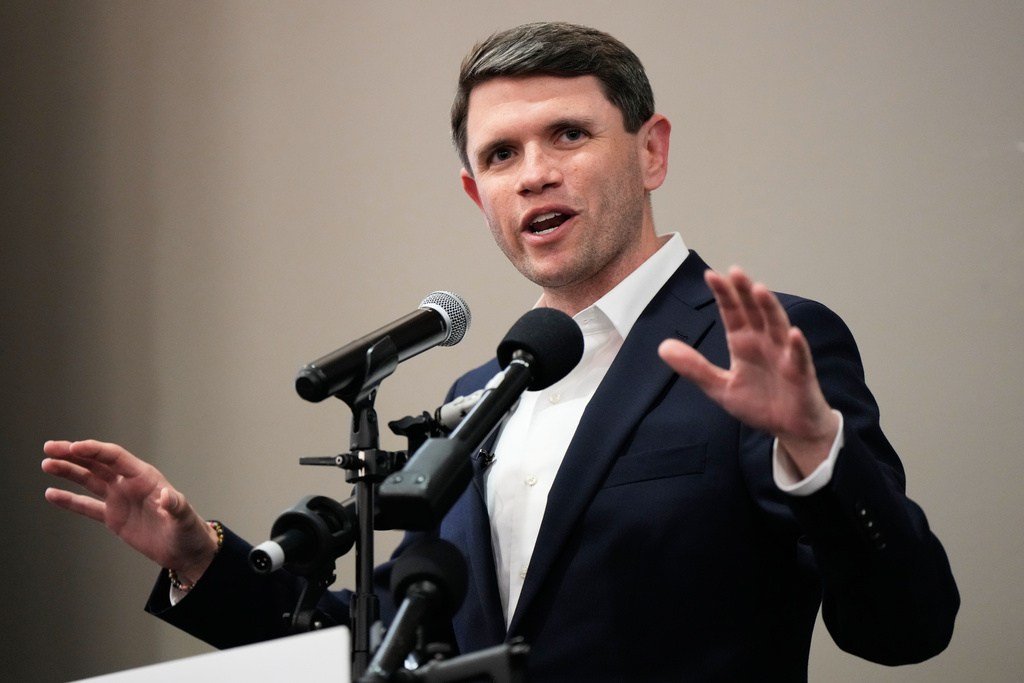
Jonathan Zimmerman, a history professor at the University of Pennsylvania, argues that the quiet is no accident. Students know they won't be sent to the Middle East, so they have little personal stake. In a new essay, he proposes a return to the military draft—not just to fill ranks, but to ignite the kind of campus activism that helped end Vietnam.
Draft as a catalyst for protest
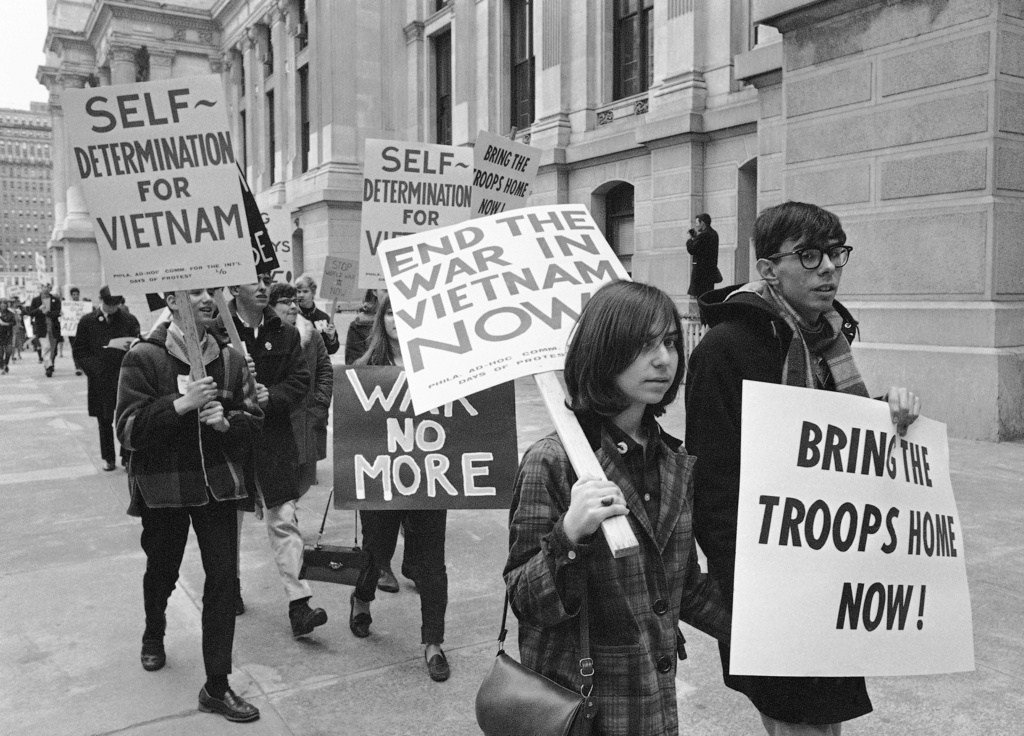
During Vietnam, student deferments initially shielded many, but the threat of conscription after graduation fueled a firestorm of protest. Penn students staged a seven-hour sit-in in 1967 against Dow Chemical, the napalm producer. Following the Kent State shootings in 1970, 1,300 campuses saw demonstrations and 500 shut down. Today, Zimmerman notes, "I haven't heard a peep of antiwar sentiment." He believes a draft would change that, forcing students to confront the war's human cost.
Equity and the burden of service
Zimmerman also invokes the equity argument. The Vietnam draft was notoriously unequal: the wealthy and connected—including Trump, who received a medical deferment for bone spurs, and Bill Clinton, who avoided service—often escaped. The burden fell on working-class Americans. Senators Edward Kennedy and Charles Rangel, both liberal stalwarts, opposed ending the draft in 1973, warning of a "poor people fighting a rich man's war." Rangel later proposed universal national service for 18- to 25-year-olds, a concept echoed by California Gov. Gavin Newsom, who suggested it could "knit this country back together."
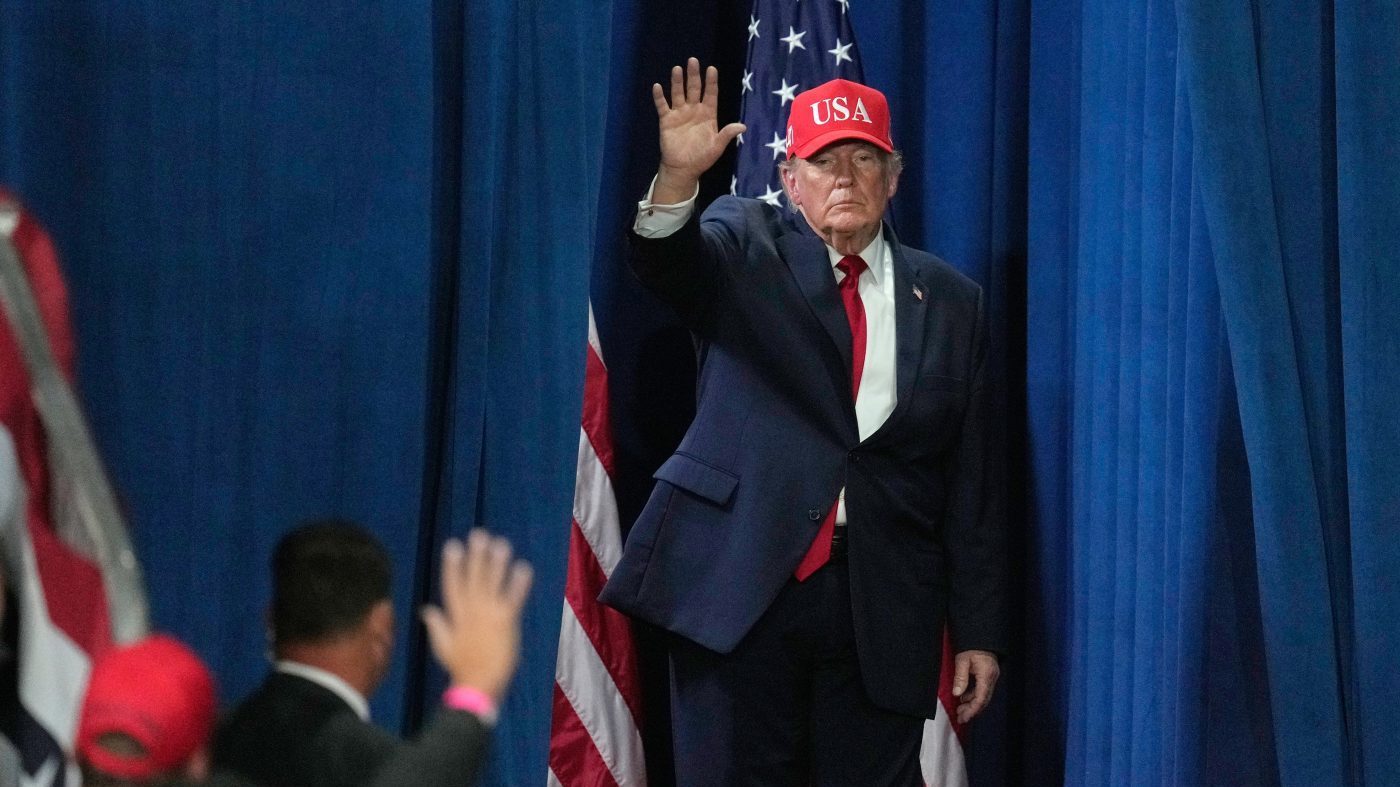
Trump has rejected such ideas, dismissing draft talk during the 2024 campaign. His administration has taken steps that fuel speculation, including automatic Selective Service registration and ambiguous remarks from former press secretary Karoline Leavitt, who said Trump "keeps his options on the table."
Political and cultural flashpoints
The debate has even touched the president's family. A satirical website, "Draft Barron Trump," created by a South Park writer, urges the president's 20-year-old son to serve in Iran. Right-wing podcaster Theo Von echoed the sentiment, arguing that "elites and politicians that are leading us into these wars might make different choices if it was their children."
Zimmerman contends that students, too, would make different choices if their lives were on the line. "They would be storming the ramparts," he writes, demanding an end to the "destructive gambit" in Iran. His call comes amid broader debates about service and sacrifice, including recent political battles in Pennsylvania—where the governor's race has turned into a blame game over data centers—and ongoing scrutiny of Medicaid fraud enforcement.
Whether a draft is feasible remains doubtful. But Zimmerman's argument taps into a deep unease about who fights and who doesn't. As he puts it, "in a democracy, the burden of national defense should be shared." For now, the silence on campuses suggests that burden remains unevenly borne.