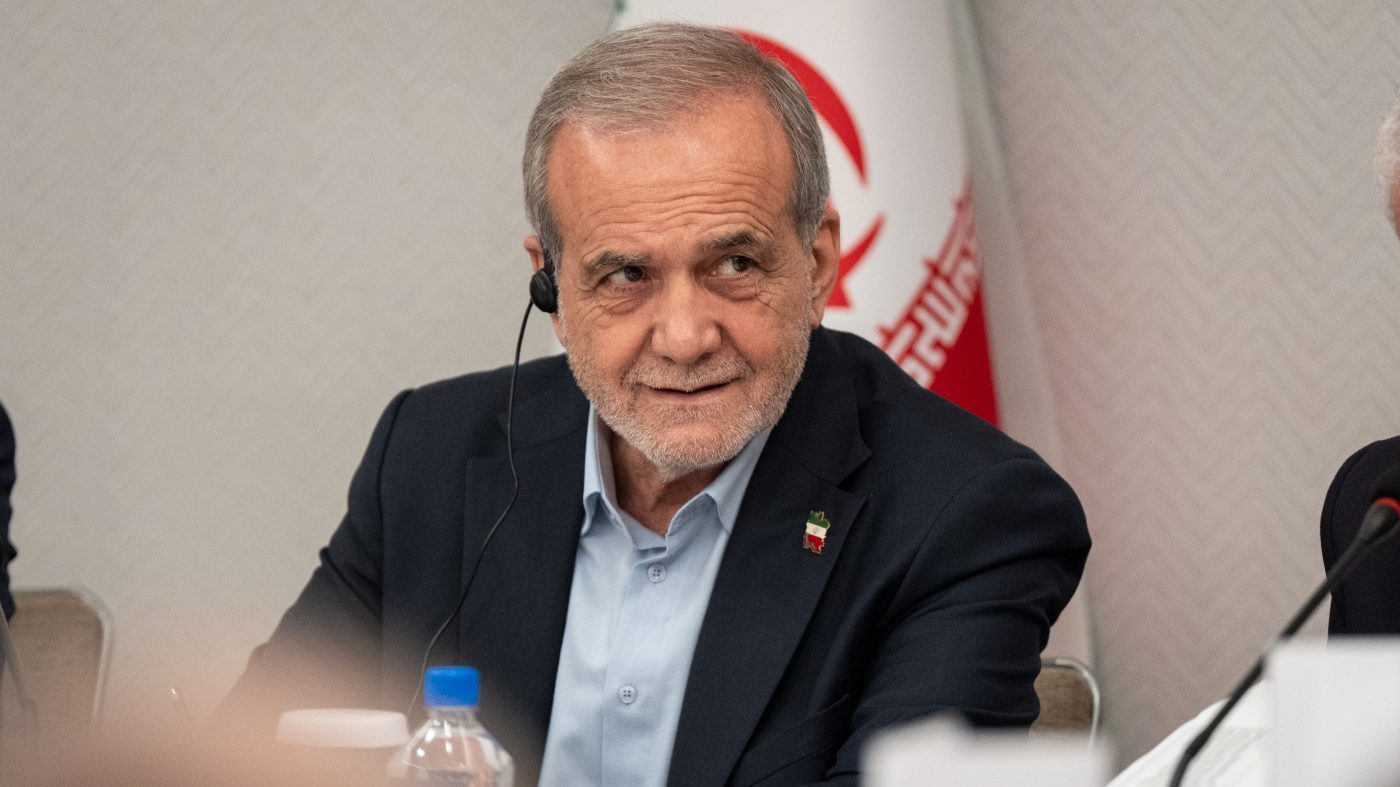
Pakistan and Iran declared on Tuesday that they have made "significant progress" toward ending the U.S.-Iran conflict, according to Pakistan's Interior Minister Mohsin Naqvi. The announcement followed a high-level meeting in Tehran between Pakistan's Chief of Defence Forces, General Asim Munir, and Iranian officials, including President Masoud Pezeshkian.
Constructive Talks in Tehran
Naqvi, who accompanied Munir, described the meeting as "very positive and productive." In a post on X, he wrote that President Pezeshkian "candidly shared his Government's perspective and concerns," and that the exchange was "very constructive." He added, "Significant progress was made, and the meeting concluded on a highly positive note. We remain hopeful that this momentum will help pave the way for further progress and lasting peace in the region."
The discussions centered on the ongoing conflict and a path forward, including steps to restore the interim peace deal signed by the U.S. and Iran in June, which expired last week. Munir also spoke with President Trump ahead of the talks, according to Reuters.
Strait of Hormuz Reopening Plan
The Pakistani delegation's visit comes as Iran and Oman announced a plan to allow navigation through the Strait of Hormuz, which has been closed under Iranian control, causing global gas prices to surge. Omani Foreign Minister Sayyid Badr bin Hamad bin Hamood Albusaidi met with his Iranian counterpart, Abbas Araghchi, in Tehran to discuss a "phased framework" for the strait.
Oman's Foreign Ministry outlined the framework on X, stating it includes "the establishment of a joint temporary navigational corridor through the Strait of Hormuz and an agreement to implement a joint project to clear the Strait of mines." The two sides also agreed on "a mechanism for information-sharing, traffic management, and the provision of relevant navigational and security services."
The ministry emphasized the importance of "convening joint discussions with regional states bordering the waters of the Gulf," and stressed the need to "uphold applicable international law and respect the sovereign rights of the coastal states."
U.S. Pressure and Iranian Conditions
President Trump has previously threatened Oman over any deal with Iran, warning that "we'll bomb the s--- out of them." Meanwhile, Iranian officials have insisted that the strait will only reopen if the U.S. withdraws its naval blockade, pays war compensation, lifts sanctions, and unfreezes Iranian assets.
The Trump administration has also warned other nations of economic consequences if they maintain financial ties with Tehran. Treasury Secretary Scott Bessent announced "Operation Economic Outcast" on Monday, a new campaign to cripple Iran's economy, though he offered few specifics. When pressed for details, Bessent said, "Well, we are giving everyone the opportunity to remedy bad behavior, why would I want to blow up the global financial system?"
The developments come amid broader shifts in regional alliances, including a recent defense pact involving Saudi Arabia, Turkey, and Pakistan that signals a move away from the U.S. security umbrella. Pakistan's role as a mediator highlights its growing diplomatic weight, though it also faces tensions with Washington over issues like Kashmir remarks by a U.S. envoy.