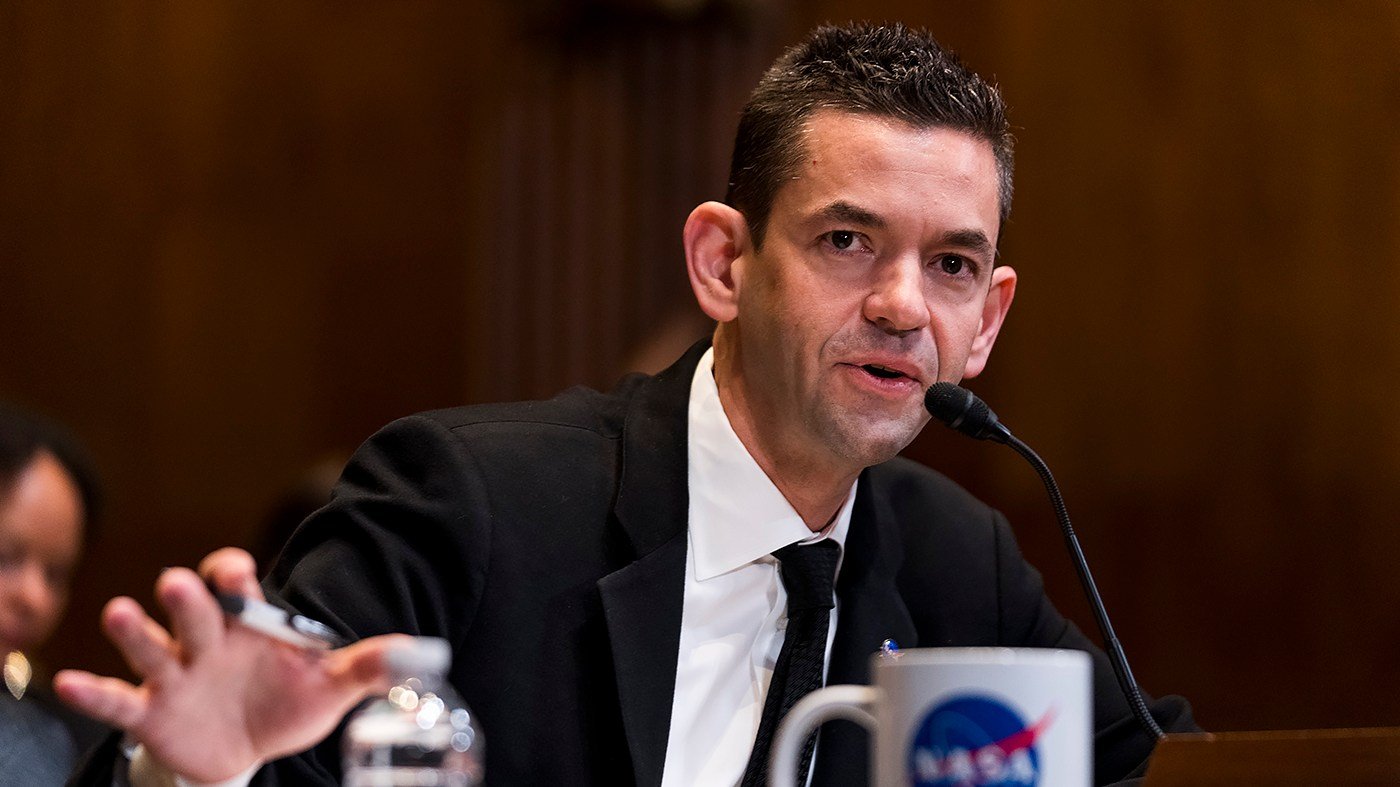
NASA Administrator Jared Isaacman is laying out a detailed roadmap for establishing a permanent presence on the moon, a project he says will not only advance scientific discovery but also drive economic growth across the United States.
In an interview, Isaacman underscored the dual benefits of the lunar initiative: it would fulfill a congressional mandate to maintain a sustained presence in lunar orbit or on the surface, while also spurring investment from private companies that are building infrastructure around space exploration.

Isaacman, who took the helm at NASA in December 2025, has been vocal about the need to outpace China in the new space race. The moon base is a central pillar of that strategy, designed to test technologies and operational techniques that could eventually support crewed missions to Mars and beyond.
The first phase of the moon base program will focus on delivering rovers, drones, and scientific instruments to the lunar south pole. Isaacman expressed confidence that these assets would be in place before astronauts arrive, ensuring they have the tools and infrastructure needed for sustained exploration.
“By Artemis IV, when our astronauts land on the surface of the moon, they’re already going to have some of the infrastructure and rovers there waiting for them,” he said.
The timeline, however, has faced hurdles. An explosion during a recent launch of Blue Origin's New Glenn rocket delayed some planned deliveries. Isaacman downplayed the impact, framing it as part of the normal development process.
“I don’t really consider it much of a setback,” he said. “We’ve always been looking toward 2027. That’s where you get in a rhythm, that’s when you get into that monthly cadence of putting landers and rovers on the moon.”
NASA is planning a series of missions next year, with the goal of launching Artemis IV in 2028, which would mark the first crewed lunar landing in over half a century. The agency's broader vision includes using the moon as a proving ground for longer-duration spaceflight, with lessons that could apply to future Mars missions.
Isaacman also highlighted the growing role of the private sector in space exploration. Companies like SpaceX have established “space ports” in Texas and Louisiana, and the industry is expanding in states such as Alabama, Mississippi, and Florida.
“This is, I think, very analogous to the first stops on the rail line that led to some of our biggest cities or some of the first airports and seaports — a whole community and economy built around it,” he said. “I think we’re going to see the same with our space ports.”
The economic ripple effects are already being felt, with NASA and its partners investing in infrastructure that could have long-term benefits for regional economies. Isaacman's comments come as the agency also explores orbital data centers as a way to expand its technological footprint.
While the moon base is a priority, NASA's broader agenda includes maintaining U.S. leadership in space, particularly as China advances its own lunar program. The agency's efforts are part of a larger political context, where space exploration has become a point of national pride and strategic competition.
Isaacman's vision for the moon base is not just about planting a flag, but about creating a sustainable ecosystem that could support human expansion into the solar system. As he put it, the moon base will help NASA learn how to live away from Earth, and possibly later to Mars and other planets.