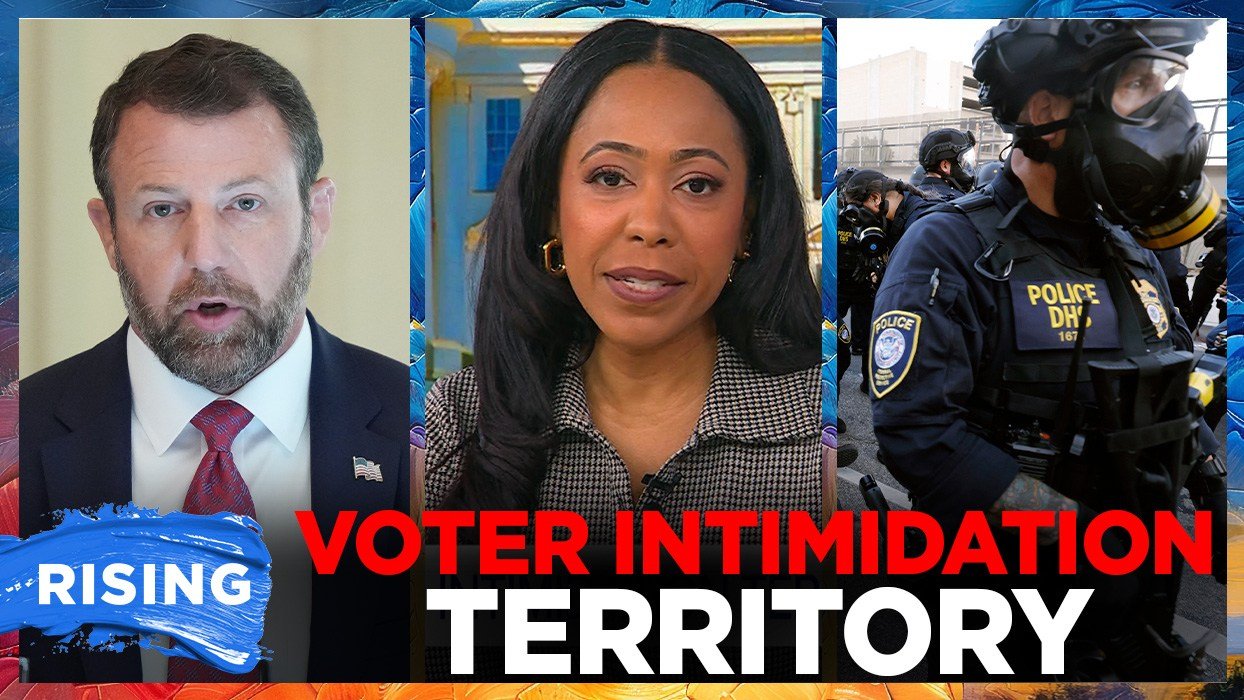
As the 2026 midterm elections approach, a sobering reality has set in: the federal government itself is increasingly taking steps that could disenfranchise millions of eligible voters. Nearly every week brings fresh evidence of the administration's efforts to restrict ballot access, raising alarms among democracy advocates and even some Republicans.
Last week's USPS whistleblower report detailed postal service changes that could delay or reject tens of thousands of mail-in ballots. Meanwhile, the Department of Homeland Security has launched criminal voter fraud investigations in nine states, targeting a problem that experts say is virtually nonexistent: non-citizen voting. These moves follow an FBI raid on a voting rights group in Ohio and intimidation of universities that help students register to vote.
Historians note that such actions mirror authoritarian tactics, where elections are not seen as a contest of ideas but as obstacles to power. The targets are often marginalized communities and groups that resist the administration's agenda. "This year, every lever of federal power is being marshalled toward undermining a free and fair election," warns Protect Democracy, a nonpartisan group tracking these threats.
Yet this is not a partisan issue. Conservatives rely on the Postal Service for absentee ballots just as much as liberals. Wyoming's Republican Governor Mark Gordon voiced his concerns, saying, "I feel very strongly about the federal government coming in and taking our guns. I don't like that. And I don't like the federal government coming in and taking our votes, either."
The response, advocates argue, must be massive voter mobilization. Given the uncertainty around mail-in ballots, the push is for early in-person voting, which is available in nearly every state. Minnesota and South Dakota lead the way, allowing voters to cast ballots as early as September 18. Early voting reduces Election Day lines and provides a more secure option.
Beyond individual action, community organizing is key. Similar to the networks that countered ICE enforcement in Minnesota, advocates are coordinating carpools to the polls, hosting voting rights trainings, and organizing creative events to boost turnout. "We can inoculate against disinformation by sharing accurate facts about voting and the security of our elections," says Na Eng, chief creative officer at People For the American Way.
Local engagement is also critical. Democracy defenders are urged to attend county commission meetings where election logistics are decided, countering conspiracy theorists who spread falsehoods. Holding state and local officials accountable—demanding longer polling hours, accessible voting, and a pledge to honor results—is another frontline strategy.
Research shows that awareness of interference attempts often galvanizes voters, increasing determination to cast ballots. The key is to pair that awareness with empowering messages of resistance. "We need to honestly confront the challenges without catastrophizing them," Eng adds. "Nothing is inevitable. History has yet to be written."
As the midterms loom, the message is clear: in a democracy, voters choose their leaders, not the other way around. With relentless attempts to interfere, "We the People" must be equally relentless in making our votes count.