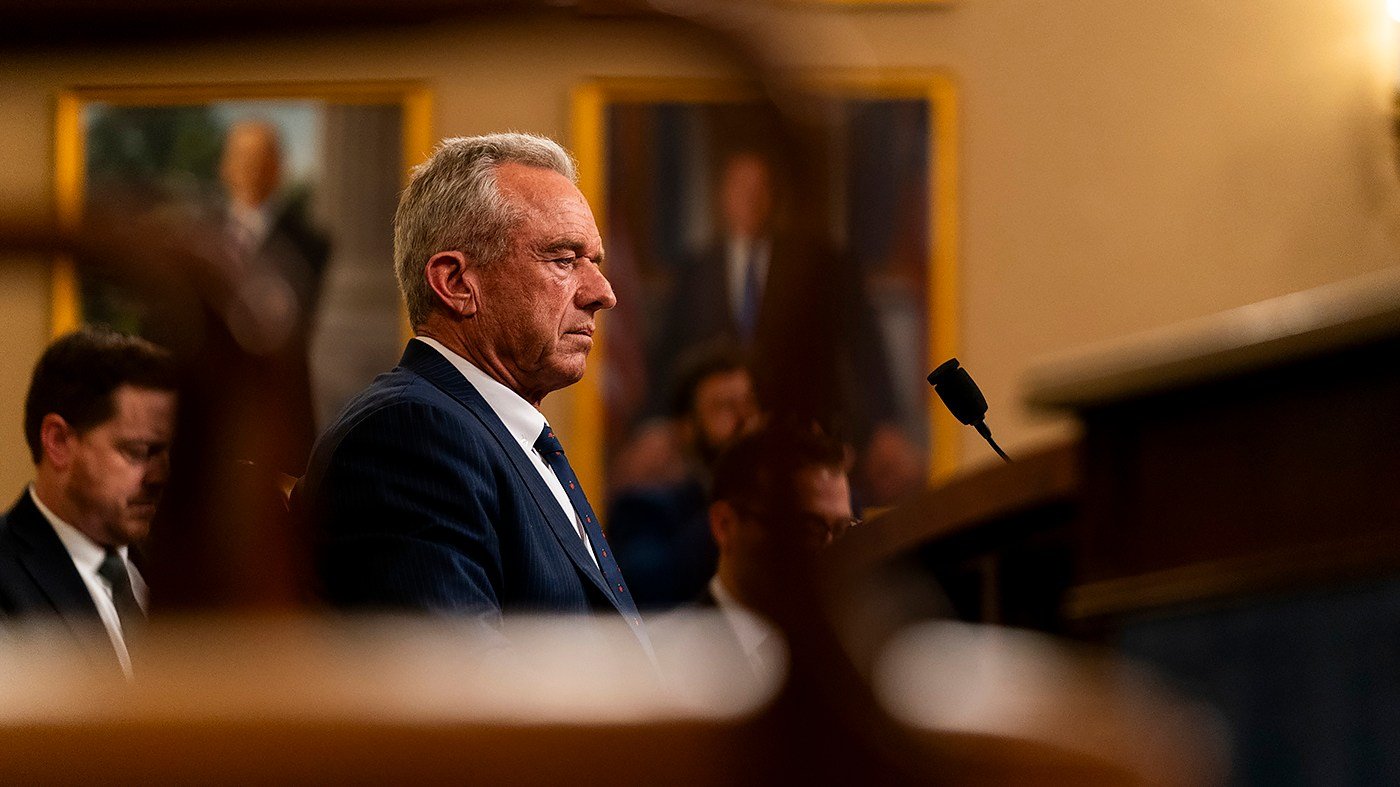
With less than three months until the midterm elections, the primary political vehicle behind Robert F. Kennedy Jr.'s Make America Healthy Again (MAHA) movement has yet to deliver the financial firepower Republicans were counting on. Despite a much-publicized $100 million fundraising pledge, MAHA PAC has raised only about $2.4 million and has roughly $287,000 in cash on hand, according to recent campaign finance filings.
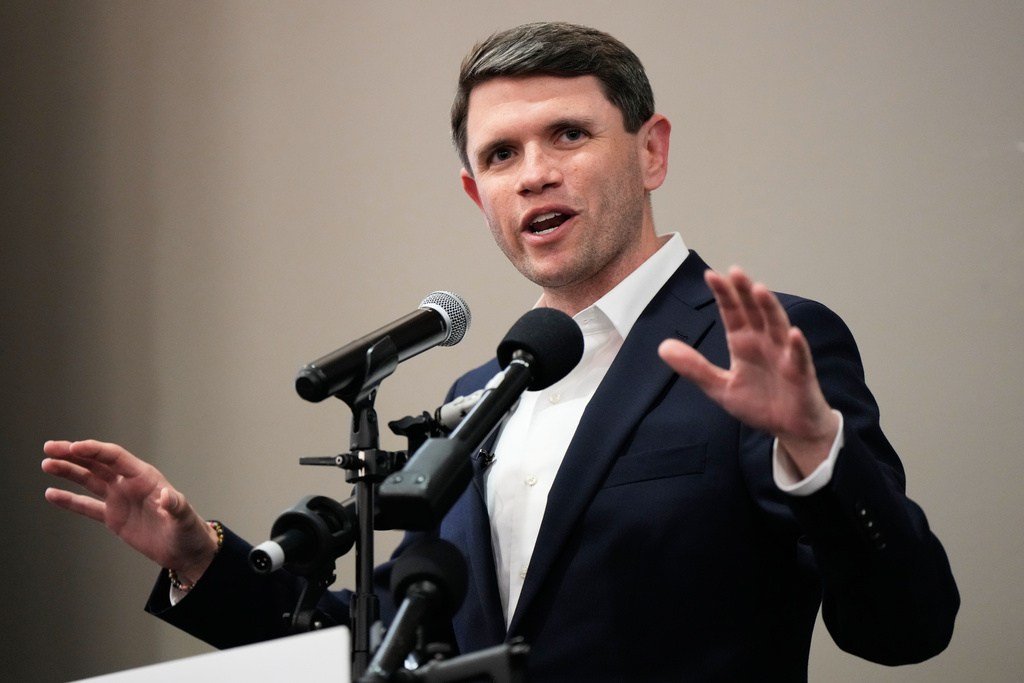
The shortfall is a stark contrast to the ambitions of Tony Lyons, a close Kennedy ally who runs both MAHA PAC and its affiliated super PAC, MAHA Action. In March, Lyons launched the $100 million effort to elect MAHA-aligned, Trump-endorsed GOP candidates. But in the first half of 2025, the committee spent just $3.8 million, with none of that going directly to candidates.
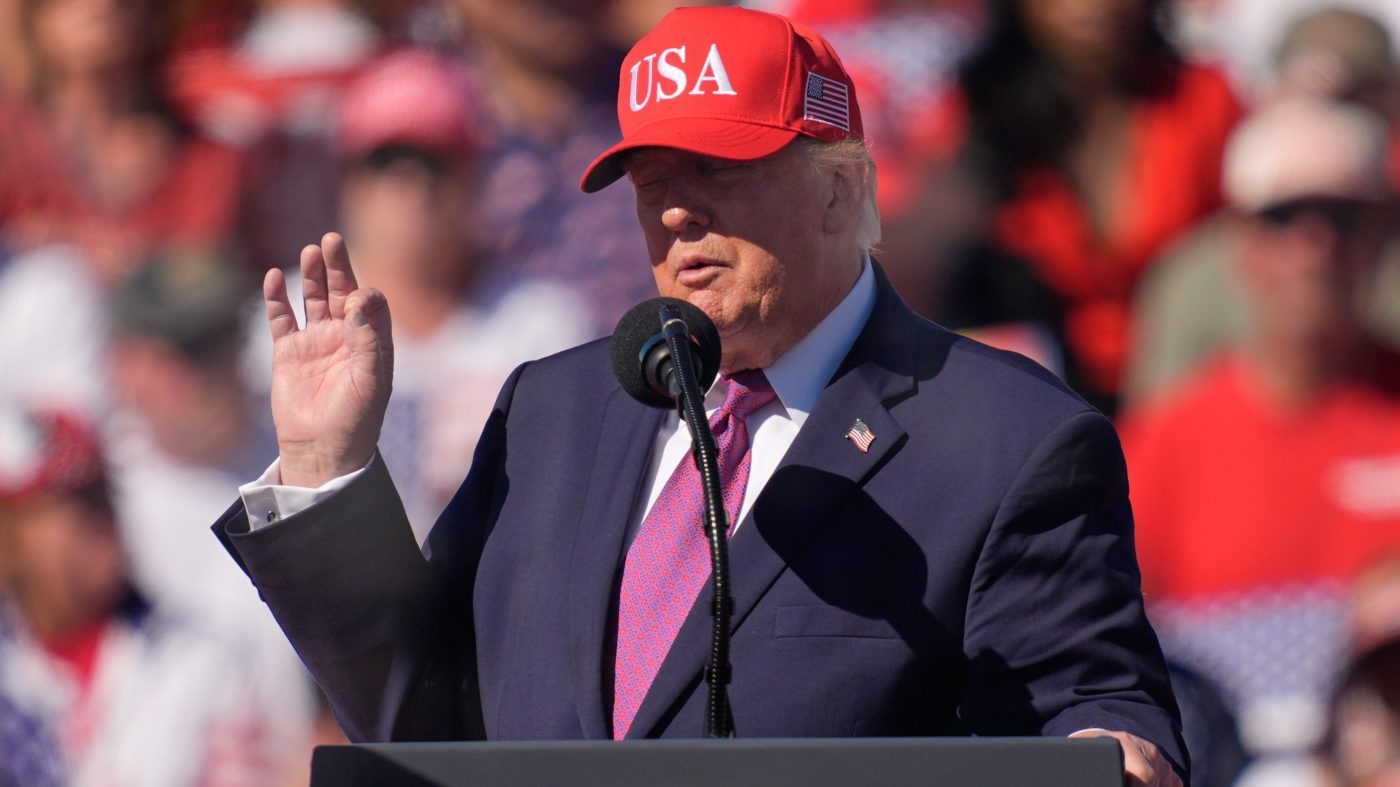
The lack of spending has fueled frustration among Republican operatives. One GOP strategist involved in midterm campaigns said, "MAHA PAC promised $100 million to help Republican candidates and has been practically nonexistent. The rest of the Republican coalition is working overtime to hold the House and Senate, but where is MAHA PAC? They talked a big game, candidates aligned with them in good faith, and now three months out, they've got nothing to show for it."
Most of the PAC's contributions are small-dollar donations from individuals, but a handful of larger donors stand out. Venni Capital, a New York investment firm tied to a generic drug manufacturer, gave two $50,000 donations. Botanic Tonics, a company selling kratom and kava beverages, donated $1 million. According to reporting by the New York Times, Kennedy attempted to discourage Ohio's governor from cracking down on kratom products, and Homeland Security Secretary Markwayne Mullin holds a financial stake in the company worth up to $1 million. Mark Mikhael, CEO of Olympia Pharmaceuticals, added $25,000 and joined the MAHA PAC board in 2025.
The MAHA brand retains significant cultural cachet, but translating that into a reliable political machine has proven difficult. GOP strategist Liz Mair noted that "MAHA doesn't function best lining up with one political party over another. When I look at the spread of incumbents who are interesting to MAHA voters, it's not 100 percent Republicans."
Jeff Hutt, who worked on Kennedy's presidential campaign and was formerly involved with the PAC, echoed that sentiment. He said the small-dollar donors were the "heart and soul" of Kennedy's campaign, but they weren't necessarily Trump supporters or even Republicans. When Kennedy dropped out and endorsed Trump, those voters listened, but Hutt added, "They believed in Bobby Kennedy and they believed in what he was doing. But you take Bobby Kennedy out of that equation, and you just put it on a select group of Republicans who are running under the MAHA title, I just don't think the interest is really there."
MAHA groups have endorsed a slate of GOP candidates, including battleground House members Tom Barrett (Mich.), Julia Letlow (La.), and Scott Perry (Pa.), as well as Michael Alfonso in Wisconsin, Austin Rogers in Florida, and Brandon Herrera in Texas. The only race where MAHA PAC has spent substantial money is Letlow's primary challenge against Sen. Bill Cassidy (R-La.), where it put in $700,000—still short of the $1 million it had pledged.
Hutt sees the PAC's endorsements as a signal to the GOP establishment rather than the grassroots. "The telltale race that you did not see them get behind was the Thomas Massie (R-Ky.) race. If the PAC were going to stay true to their message and true to their support base, they would have come out strong in support of Thomas Massie," he said. "But the reluctance to do so or to get in on that campaign really showed to me that they're promoting candidates that are aligned with the Trump White House."
The MAHA movement is not a monolithic bloc. Its supporters prioritize different issues—some focus on food supply changes, others on stricter chemical and pesticide regulations. That diversity makes it difficult to convert into a dependable voting bloc, especially when the movement's most prominent figure is no longer on the ballot. As the midterms approach, Republicans may find that MAHA's promise of a new coalition is more aspirational than operational.