The uproar over Macklemore's pro-Palestine outburst during an Ed Sheeran concert has reignited familiar debates about free expression. But the episode also exposes a selective outrage that often depends on who is speaking and what they are saying.
Earlier this month, Macklemore, opening for Sheeran at MetLife Stadium in New Jersey, interrupted his set to chant "Free Palestine," urging the crowd to spread the call "from Gaza all the way to the occupied West Bank." Stadium screens then displayed graphic footage of devastation in Gaza and clips from campus protests. The 80,000-strong crowd reacted tepidly—some cheers, mostly silence—but the moment went viral, drawing sharp criticism from Israel supporters who saw the imagery as one-sided.
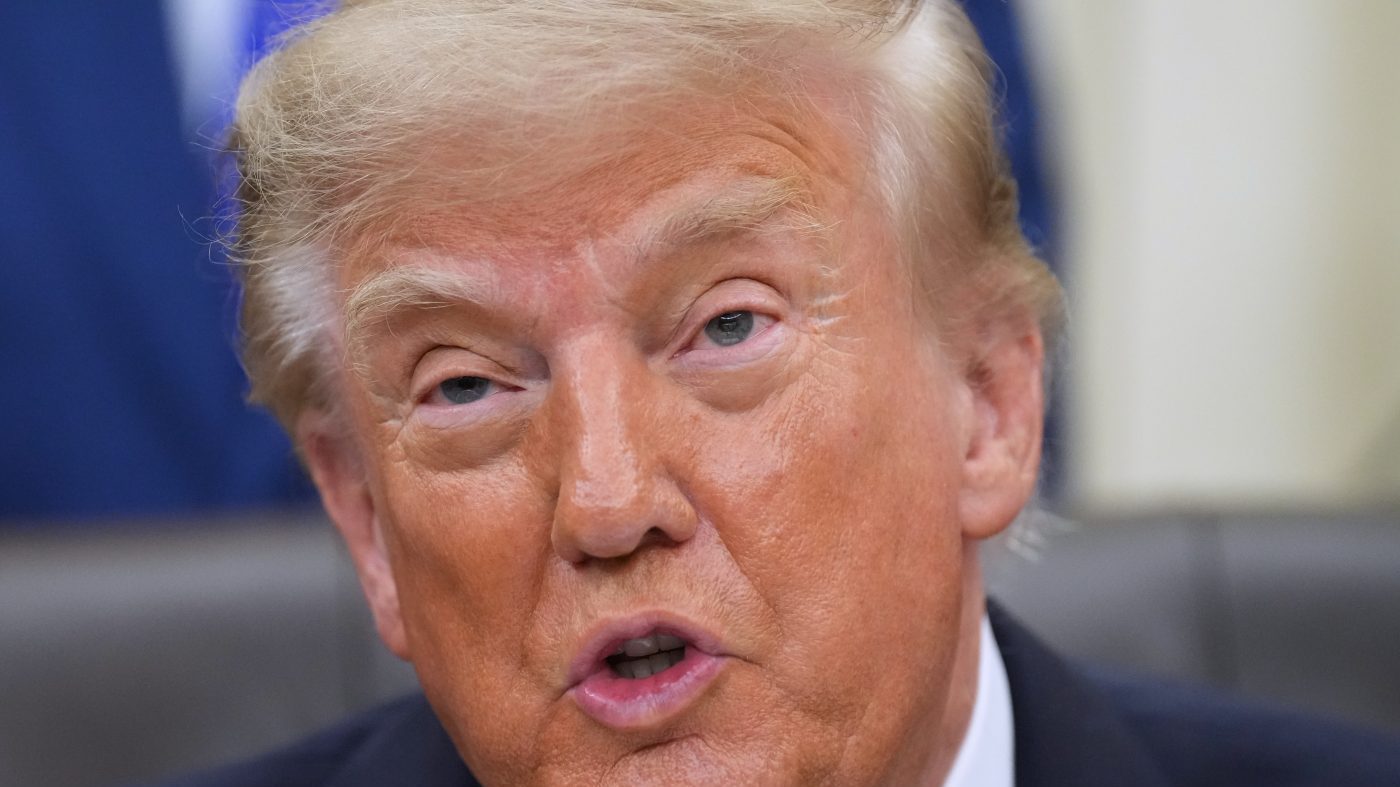
Robert Kraft, owner of the New England Patriots and Gillette Stadium, threatened to cancel Sheeran's upcoming show unless Macklemore was dropped. Other venue owners backed him. The promoter, Messina Group, relented, removing Macklemore from the tour. In solidarity, all four other supporting acts quit, and several artists condemned Kraft's intervention.
Legally, Kraft was within his rights. As a private property owner, he is not bound by the First Amendment and can bar speech he finds objectionable. The First Amendment would only have been implicated if publicly owned stadiums had banned Macklemore—which they did not. Instead, a private promoter caved to pressure.
At his next solo concert, Sheeran apologized, saying he never wanted to be an "activist musician." He called the situation in Gaza "catastrophic and unjustifiable and disproportionate," adding that his heart was broken by the scale of civilian deaths. Yet he also acknowledged mistakes in handling the controversy.
Macklemore, for his part, retains broad freedom to speak. He has announced his own "Free Palestine" tour starting in October across Europe and the U.S. His message, ironically, has been amplified by the backlash. As civil libertarians would note, the remedy for unwanted speech is more speech—not less.
But the episode highlights a troubling double standard. For years, pro-Palestine activists have boycotted and canceled Jewish and Israeli artists with little mainstream pushback. Matisyahu, an Orthodox Jewish reggae singer, has repeatedly faced cancellations for performing under a Hebrew name. Jewish comedians have had shows pulled, including at the Edinburgh Fringe Festival, where a court found unlawful religious discrimination. Poets, authors, and actors have been deplatformed for not being sufficiently anti-Israel.
These cases rarely generate the same national outrage as Macklemore's exclusion. Almost no one outside Jewish communities has spoken up for these artists. Macklemore himself has not, as far as records show, objected to the silencing of Israeli or Jewish performers.
Supreme Court Justice Sonia Sotomayor recently warned at an Oklahoma bar conference that her "greatest fear" for American democracy is the lack of quality civics education, noting people "don't understand what the First Amendment means." The Macklemore affair—and the selective defenses of free speech it has triggered—suggests she has a point.