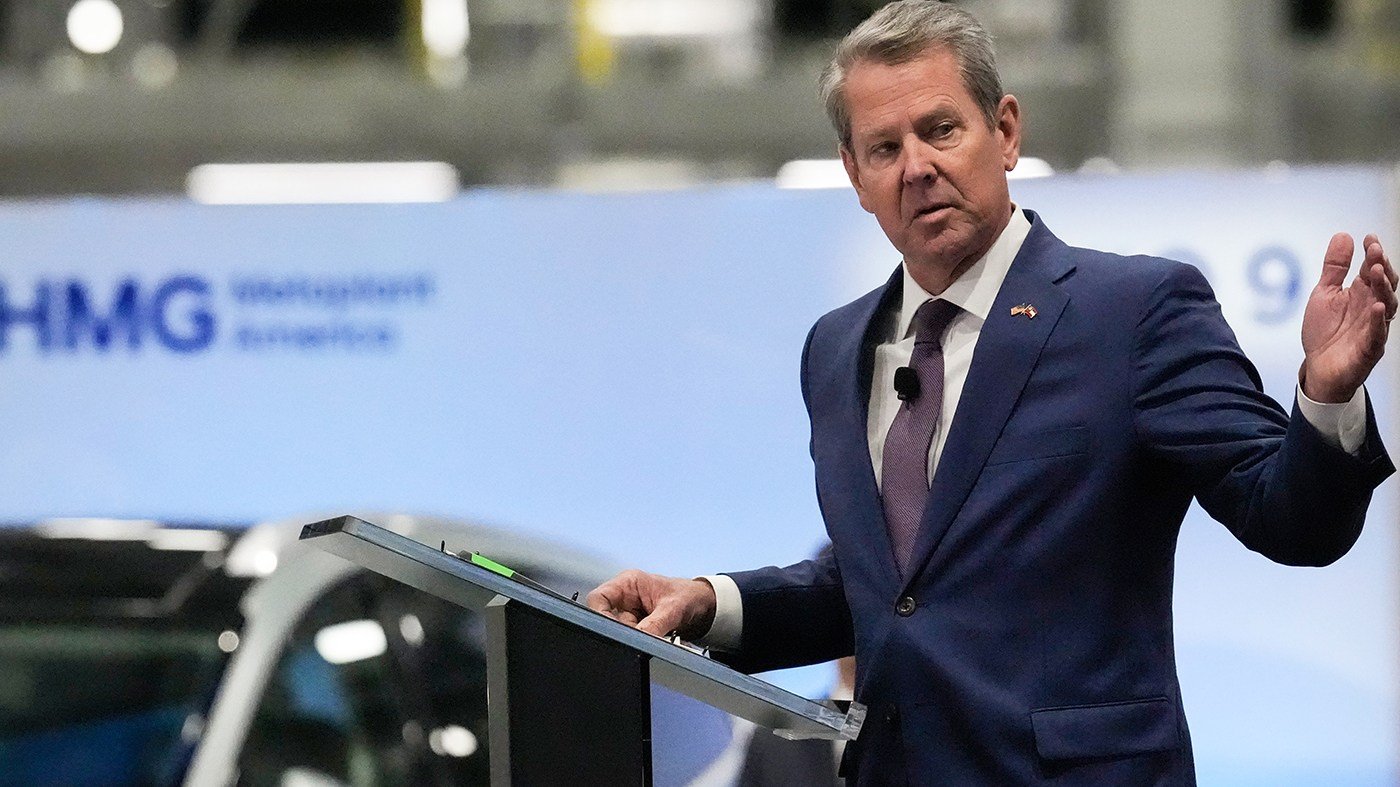
Outgoing Georgia Governor Brian Kemp (R) has declined to convene a special legislative session that would have curtailed the authority of incoming Democratic Governor-elect Keisha Lance Bottoms, a move that some Republicans had floated as a way to limit the new administration's influence.
In a statement reported by CBS News, Kemp said, "I will not be calling a special session of the Georgia General Assembly in order to curtail executive branch powers or debate redistricting changes." He added, "The voters of our state have spoken." Kemp emphasized his commitment to respecting the outcome of "secure, accessible, and fair elections" and to abiding by state laws and the constitution. However, he left the door open for lawmakers to address Georgia's budget before January.

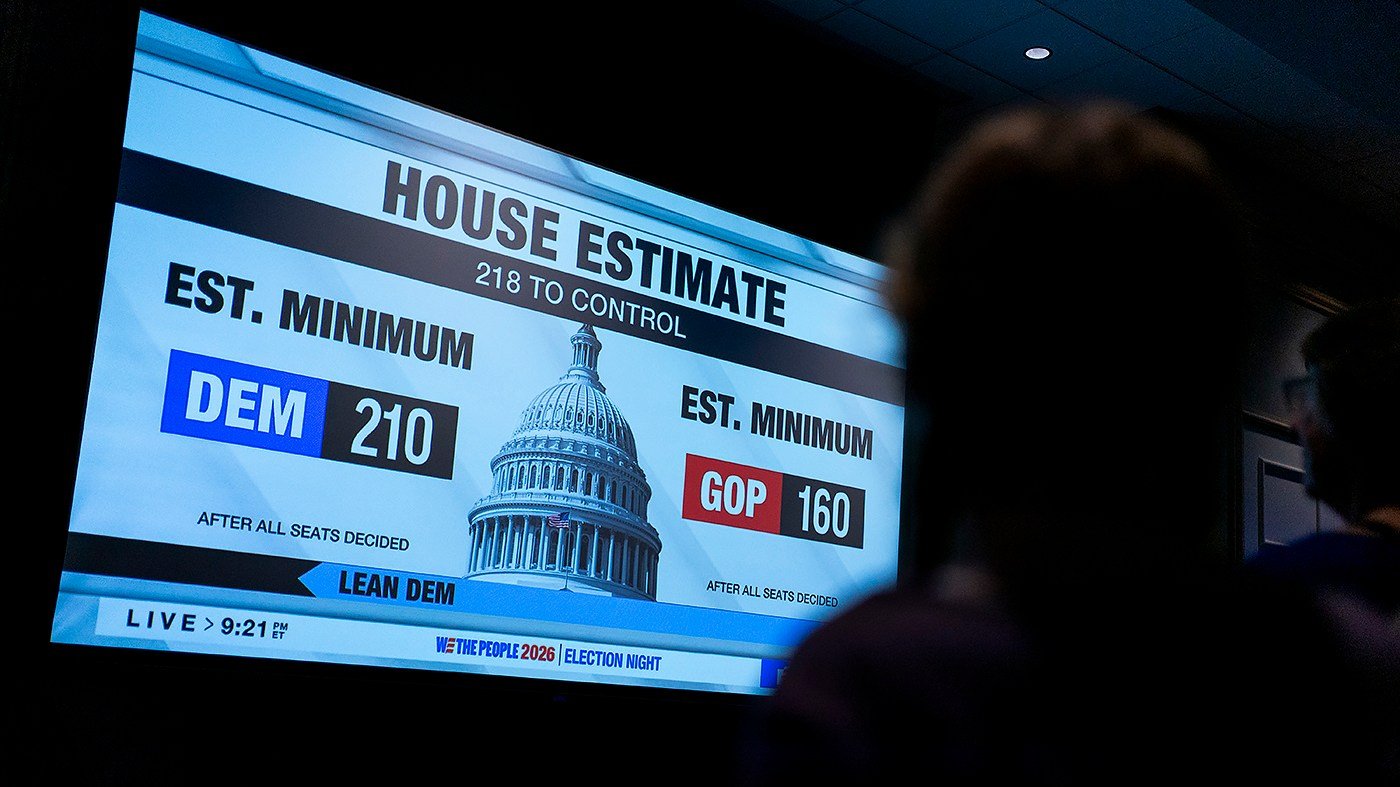
The decision comes after Bottoms defeated Republican Rick Jackson in the gubernatorial race, flipping the governor's mansion for Democrats for the first time since 1998, according to the National Governors Association. Her victory is part of a broader Democratic shift in Georgia, which also saw wins in congressional races, including Bottoms' historic win and Ossoff securing a Senate seat.
Kemp had previously scheduled a redistricting session for June, following a Supreme Court ruling that weakened a key provision of the Voting Rights Act. He had urged lawmakers to redraw district maps before 2028, arguing that the high court's decision "requires" Georgia to adopt new maps. However, the timeline was too tight to affect the May primaries.
Republican leaders in the state House, including Speaker Jon Burns, tabled the redistricting effort, saying "it was not the right path forward for our state at the time." Burns noted that changes to district maps could affect every voter and deserved a thoughtful, fact-driven process, with plans to hold hearings to gather public input.
Although Kemp publicly disagreed with the decision to delay, he acknowledged that redistricting ultimately falls under the legislature's purview. By declining to call a special session, he effectively leaves the matter for the new administration and the incoming legislature to handle, a significant shift in political dynamics.
Political analysts see Kemp's move as a pragmatic acknowledgment of the electoral results, avoiding a contentious battle that could have overshadowed the transition. It also aligns with his stated respect for the democratic process, even as some conservatives push for more aggressive measures to check Democratic power in the state.
Bottoms, who will take office in January, has yet to comment publicly on Kemp's decision, but her team has signaled a focus on priorities like voting access, healthcare, and economic development. The transition is expected to proceed smoothly, with Kemp committing to a peaceful transfer of power.
This development is part of a larger trend in Georgia, where Democrats have made gains in recent election cycles, including Bottoms flipping the governor's office and Clark winning a House seat. The state's political landscape is clearly evolving, and Kemp's decision reflects a recognition of that reality.