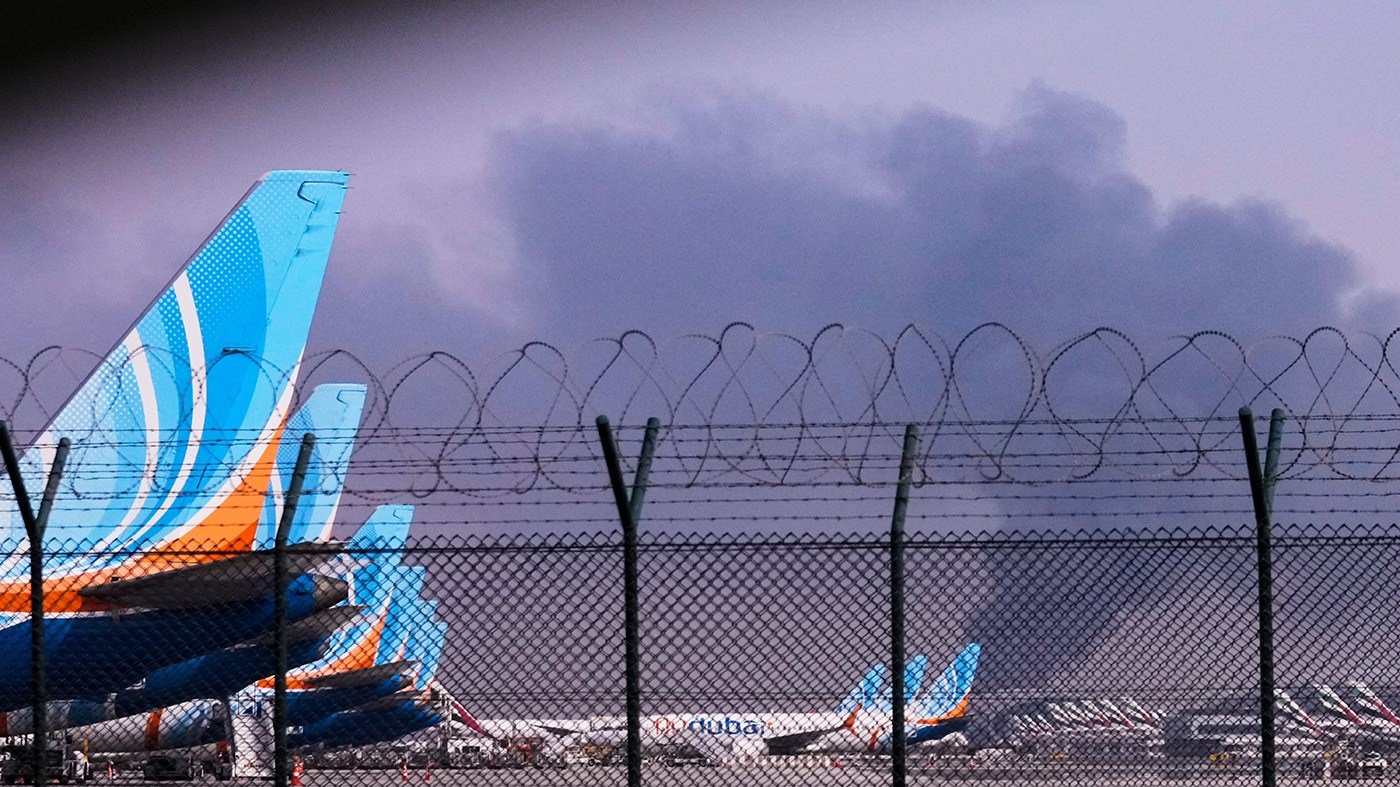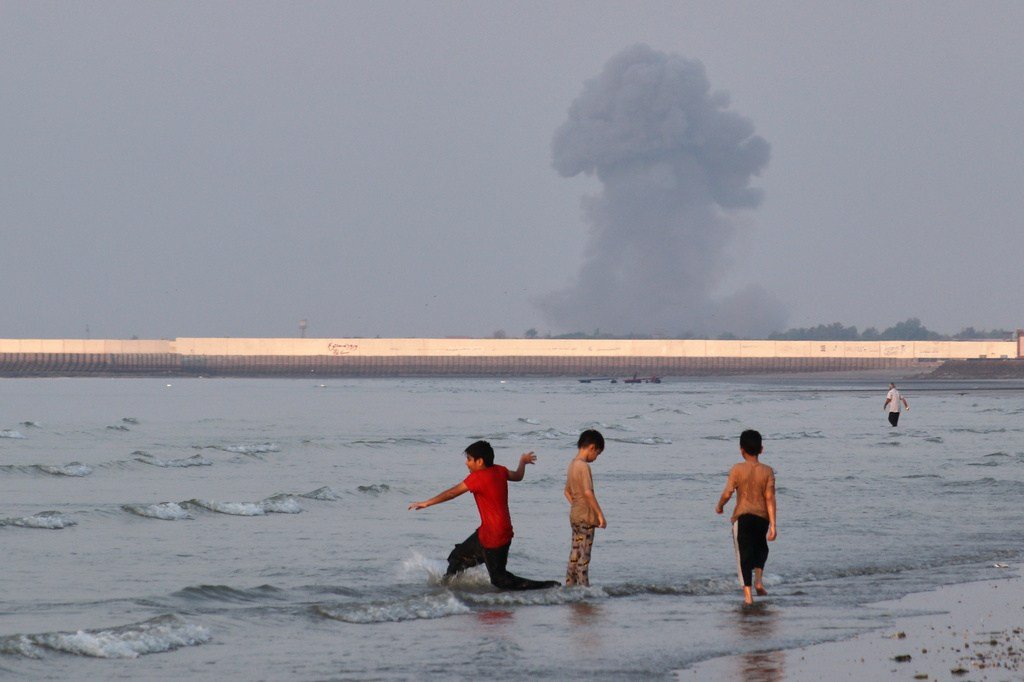
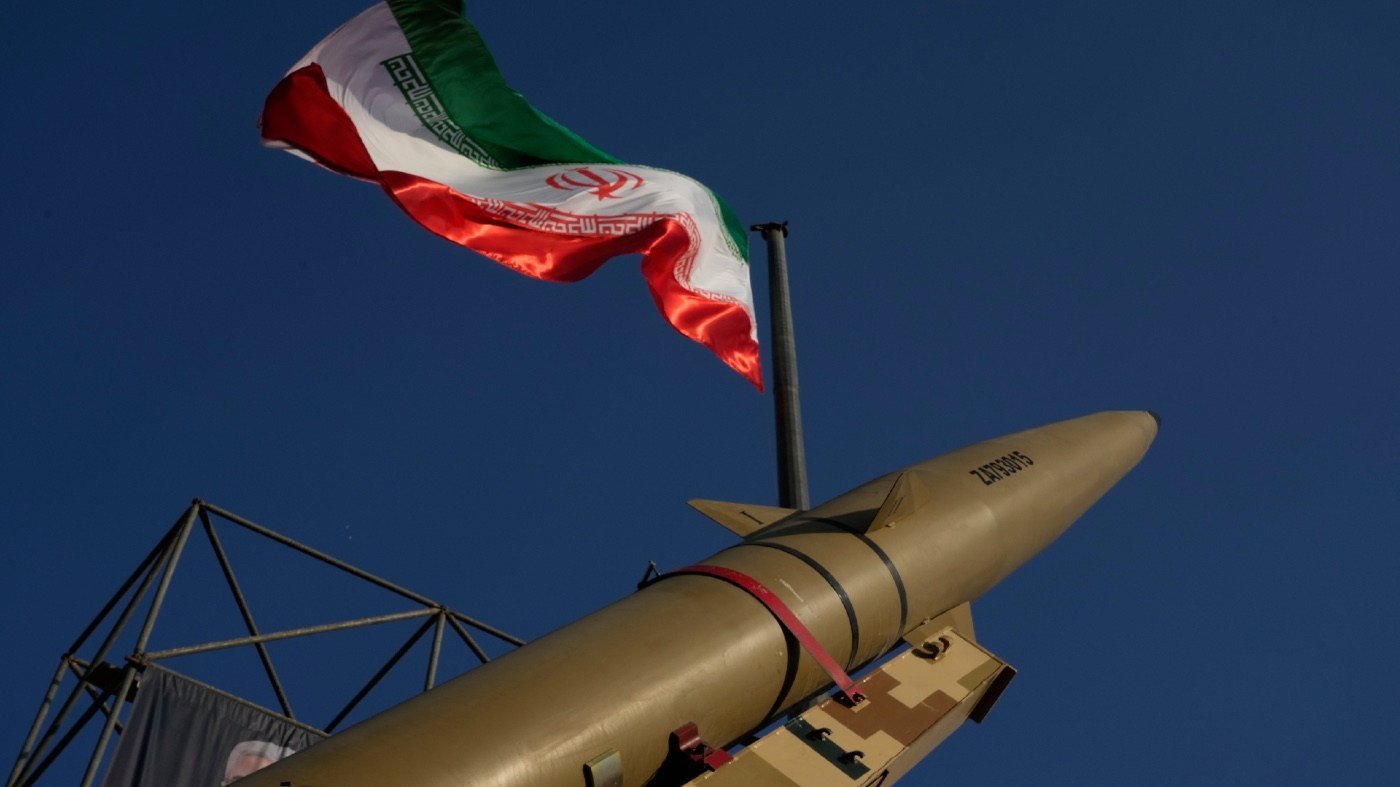
The Iran war is redrawing the world's energy map as much as its military boundaries. One of the most immediate consequences is visible on the high seas: global oil traffic is pivoting away from the Middle East and toward the United States.
Before hostilities erupted, the Strait of Hormuz carried roughly 18 million barrels per day, according to data cited by Reuters. By July, that figure had collapsed to 4.8 million barrels. In August, U.S. estimates put flows between 2 million and 8 million barrels daily. Overall Middle Eastern exports have fallen far below the 21 million barrels averaged in 2025—a profound rerouting, not a mere dip.
Refineries worldwide still need crude, and increasingly they are turning to American suppliers. In April, maritime intelligence firm Windward counted 171 tankers headed to the U.S., describing a "large-scale redirection" toward the Gulf Coast. U.S. crude exports surged to a record 5.7 million barrels per day in May, only to drop to 3.66 million in July when a temporary U.S.-Iran interim deal briefly reopened Gulf shipping. Now that Hormuz is tightening again, at least two dozen empty very large crude carriers are steaming toward the U.S. to load, with Vortexa estimating up to 40 for late-August and September cargoes. Reuters has called U.S. crude the "go-to alternative" for global buyers.
The U.S. is now the world's largest crude producer, averaging a record 13.6 million barrels per day in 2025—roughly 40% more than Russia or Saudi Arabia. The Permian Basin alone churns out about 6.6 million barrels daily. Before the war, only about 2% of Hormuz-transiting crude went to the U.S., while nearly 89% headed to Asia, with China, India, Japan, and South Korea taking three-quarters of that volume.
America is not insulated from a closed Hormuz—oil is priced globally, so U.S. consumers still feel the pinch. But when war broke out, forecasts of $150 or even $200 crude proved exaggerated; Brent peaked around $126 before retreating, thanks to increased U.S. production, strategic stock releases, and alternative barrels.
History offers a cautionary tale. During the Civil War, the Confederacy's "King Cotton diplomacy" assumed Britain's dependence on Southern cotton would force intervention—cotton supplied about 77% of British consumption. Prices soared, but markets adapted: India, Brazil, and Egypt expanded output, proving the commodity replaceable. The lesson: weaponizing a commodity creates short-term leverage but also signals others to find alternatives.
The Persian Gulf will remain vital, but if buyers can't rely on Middle Eastern barrels, they'll look elsewhere—and new trade routes may outlast the crisis. Shipowners avoid danger zones when safer cargoes exist, and increasingly those are found in Texas. Reliability has value, and the shale revolution has given America the capacity to absorb major disruptions while supplying the world, shifting some geopolitical leverage from Gulf producers to Washington.
That doesn't make war desirable or high gasoline prices painless. But a prolonged Hormuz closure could accelerate a reordering of global petroleum trade toward a diversified network where the U.S. Gulf Coast plays a central role. As I wrote in my trading memoir, "Life in the Pits," the world pays more attention when people die where oil is—without energy, the modern world halts. What's changing is who controls the marginal barrel. Watch the ships; they're turning toward America.
Brad Schaeffer is a commodities fund manager and author of three books. His newest, "A War For Half The World," arrives in spring 2027.