Iran launched a new wave of missiles and drones at American military assets and allied targets across the Middle East early Wednesday, retaliating for fresh U.S. strikes that hit Iranian Revolutionary Guard positions just hours earlier. The exchange marks a dangerous escalation in the seven-month conflict, with Tehran now directly striking U.S. partners in the Gulf.
The Islamic Revolutionary Guard Corps (IRGC) said it targeted U.S. facilities in Kuwait, Bahrain, Jordan, and Iraq. The attacks came after U.S. warplanes struck IRGC air defense systems, radar, communications gear, maritime assets, and mine-laying capabilities along Iran's southern coast, according to U.S. Central Command (Centcom).
Iranian state media reported that one U.S. airstrike hit a residential home in the coastal town of Sirik, killing at least four civilians and wounding dozens more. The IRGC condemned the strike, saying it targeted a private residence, a claim that could not be independently verified.
The U.S. strikes were themselves a response to Iranian attacks on American forces in Jordan and military activity in the Strait of Hormuz earlier this week, Centcom said. The back-and-forth has raised fears of a wider regional war, with Washington and Tehran trading blows directly.
In the latest round, the IRGC said it struck Ali al-Salem Air Base in Kuwait, claiming it destroyed a command post, drone facilities, and several drones. Kuwaiti authorities separately confirmed that an Iranian drone hit a residential complex early Wednesday, sparking a fire and causing property damage, though no casualties were reported.
Bahrain, which hosts the U.S. Navy's 5th Fleet, said its forces intercepted incoming Iranian fire. Meanwhile, Qatari officials, whose country hosts the largest U.S. airbase in the Gulf, issued a statement holding Iran legally responsible for the attacks and their consequences. The Qatari statement underscored the growing unease among Gulf states caught in the crossfire.
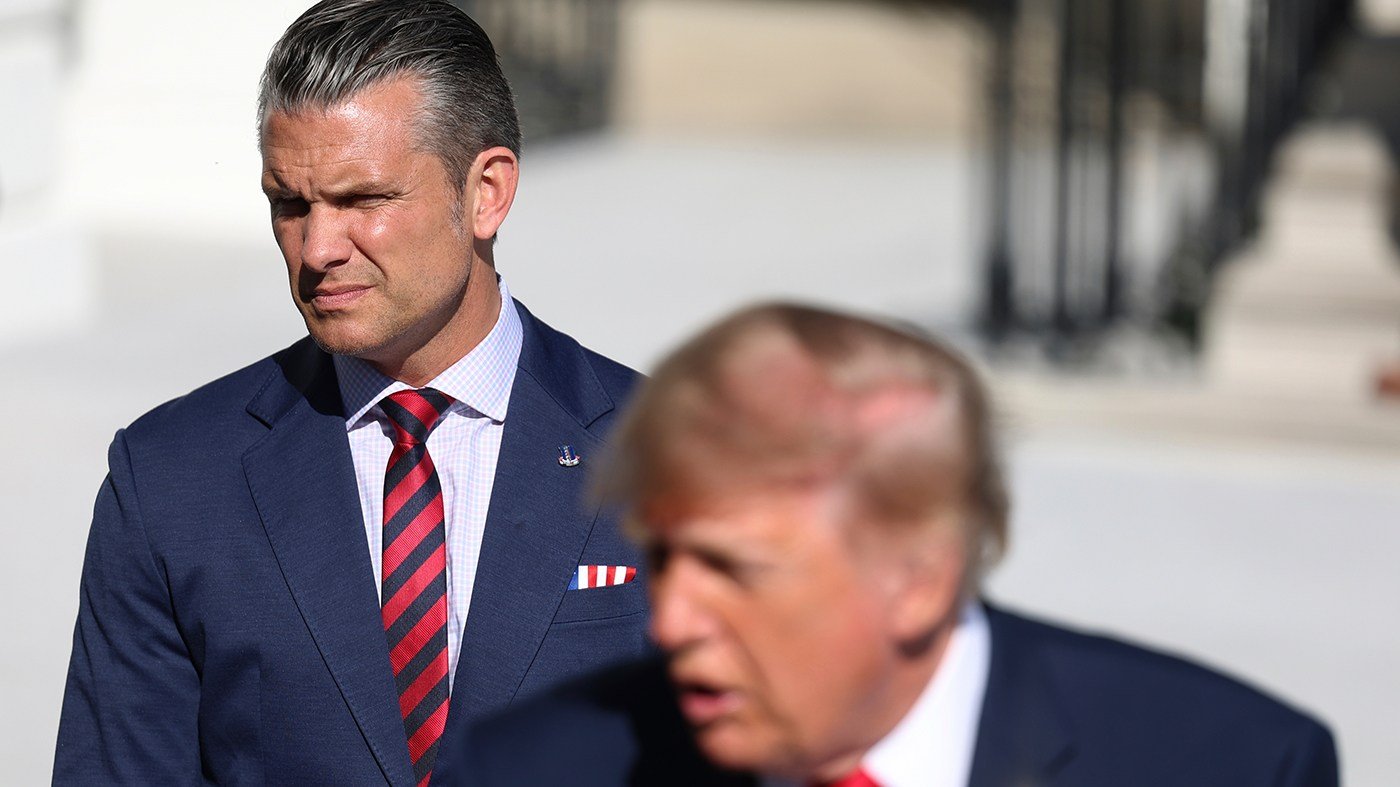
President Trump, who has adopted a maximalist posture toward Tehran, issued a stark warning before the Iranian retaliation. In a post on Truth Social, he wrote: "If the failed Nation of Iran retaliates for this very justified attack, they will be hit again at a much harder and higher level, but it will not be the biggest attack of them all, that is waiting in the wings and, when it is over, there will be very little left of the Islamic Republic of Iran!"
The president's rhetoric has drawn skepticism from some allies and analysts, who note that his threats have lost some bite as the administration's Iran policy oscillates between strikes and pauses. A recent analysis suggests that Trump's second-term threats are increasingly being tuned out by both allies and adversaries.
The escalation comes as Congress debates the administration's military actions, with lawmakers split over the legality and scope of the strikes. The House is currently tackling a funding bill that could affect future operations, while legal challenges have emerged over the use of force. An ACLU lawsuit challenges the legality of Trump's deadly boat strikes, adding another layer of scrutiny.
For now, the region remains on edge. The U.S. has signaled it will continue to strike Iranian assets if provoked, while Iran has shown it will respond in kind, targeting American allies directly. The cycle of retaliation shows no signs of abating, and the risk of a broader conflagration grows with each exchange.