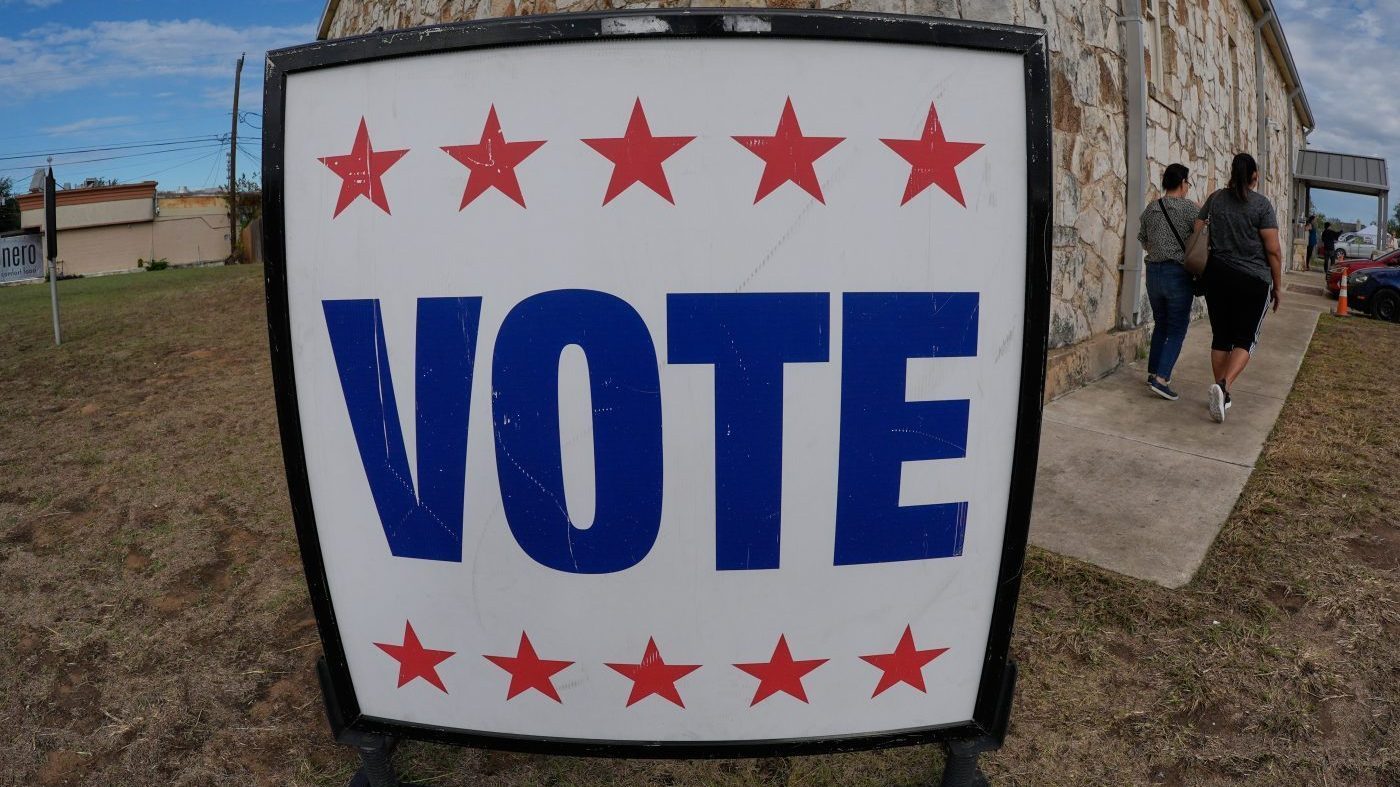
Iowa voters went to the polls Tuesday to choose their representatives in the U.S. House, with control of the chamber hanging in the balance. All four of the state's congressional seats are currently held by Republicans, but Democrats are mounting serious challenges in three of them, hoping to chip away at the GOP's narrow majority.
The most expensive contest is in the 1st District, where three-term incumbent Rep. Mariannette Miller-Meeks (R) faces Democrat Christina Bohannan, a former state representative. More than $50 million has been poured into this race, making it one of the most hotly contested in the nation. Election forecasters rate the district as leaning or likely to flip to the Democrats, a sign of the political headwinds Miller-Meeks faces.
In the 2nd District, the race is wide open. Rep. Ashley Hinson (R) is running for the U.S. Senate seat vacated by Sen. Chuck Grassley, leaving her House seat without an incumbent. Republicans have nominated former state Rep. Joe Mitchell, while Democrats put forward state Rep. Lindsay James, who also serves as a Presbyterian minister. Forecasters call this a toss-up, with both parties pouring resources into the district.
Des Moines-Area Seat a Prime Target
The 3rd District, anchored in Des Moines, is another key battleground. Rep. Zach Nunn (R) won his seat in 2024 with about 52 percent of the vote, and Democrats see him as vulnerable. His challenger is state Sen. Sarah Trone Garriott (D), who has emphasized issues like healthcare and rural economic development. Handicappers rate this race as lean or likely Democratic, making Nunn one of the most endangered incumbents in the country.
The 4th District, covering western Iowa, is considered safely Republican, with Rep. Randy Feenstra expected to cruise to reelection. That seat has not been seriously contested in recent cycles.
National Implications
The outcome in Iowa could help determine which party controls the House in 2027. Democrats need a net gain of just a few seats to reclaim the majority, and Iowa's trio of competitive races are central to their math. Other battlegrounds across the country are similarly tight, but Iowa's mix of open seats and targeted incumbents makes it a bellwether.
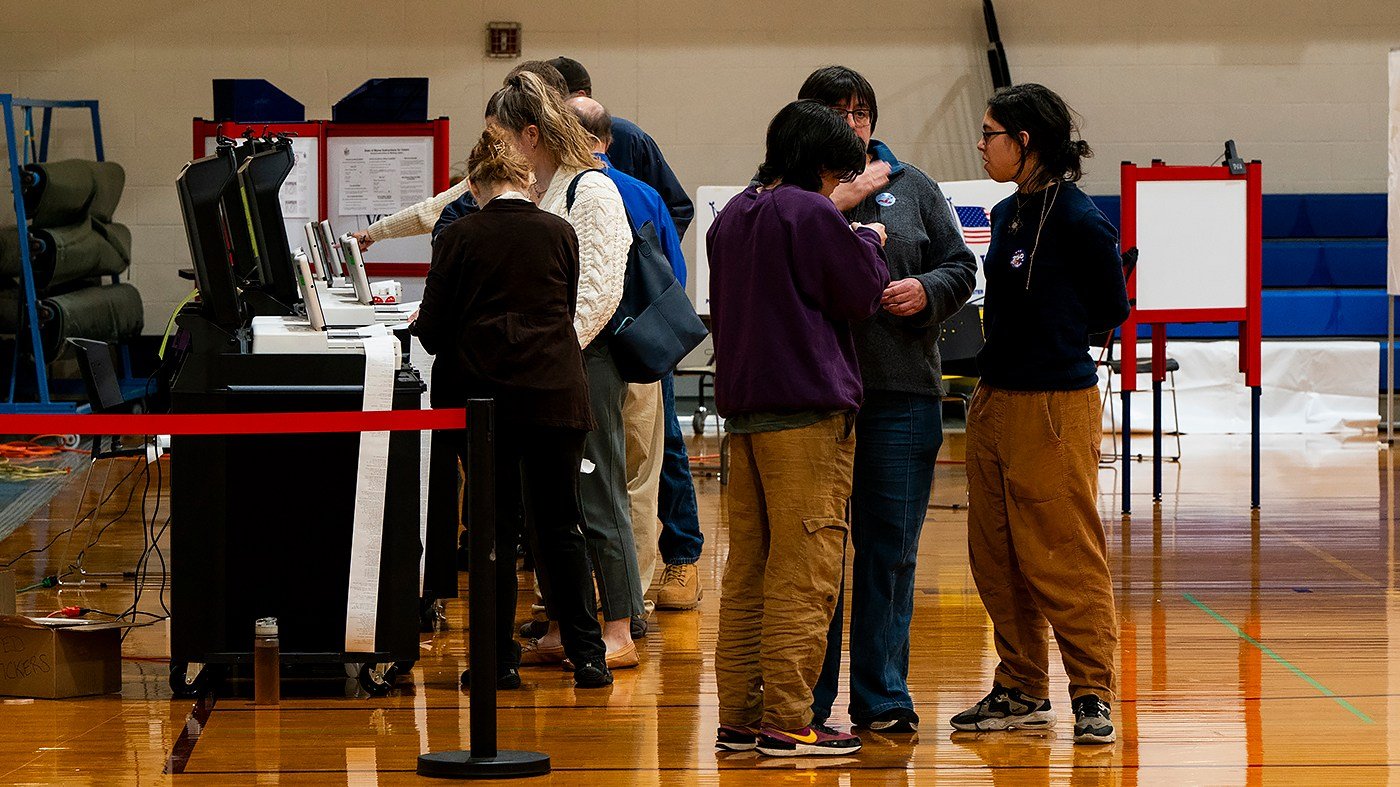
Voting proceeded smoothly in most precincts, though election officials reported scattered issues. In a related development, a man was charged in Oklahoma for mailing white powder to election offices, a reminder of the heightened security concerns this cycle.
Polls closed at 9 p.m. EST, and results are expected to trickle in through the evening. Voters were reminded that they can skip races if they choose, but in these tight contests, every ballot could matter.
Stay with The World Signal for live updates and analysis of the Iowa results as they come in.