In the heartland, Democrats are quietly testing a new political playbook aimed at winning back a demographic that has drifted away: working-class white men. Iowa, a state that has become a GOP stronghold in recent years, is now the proving ground for a strategy that could reshape the party's national appeal.
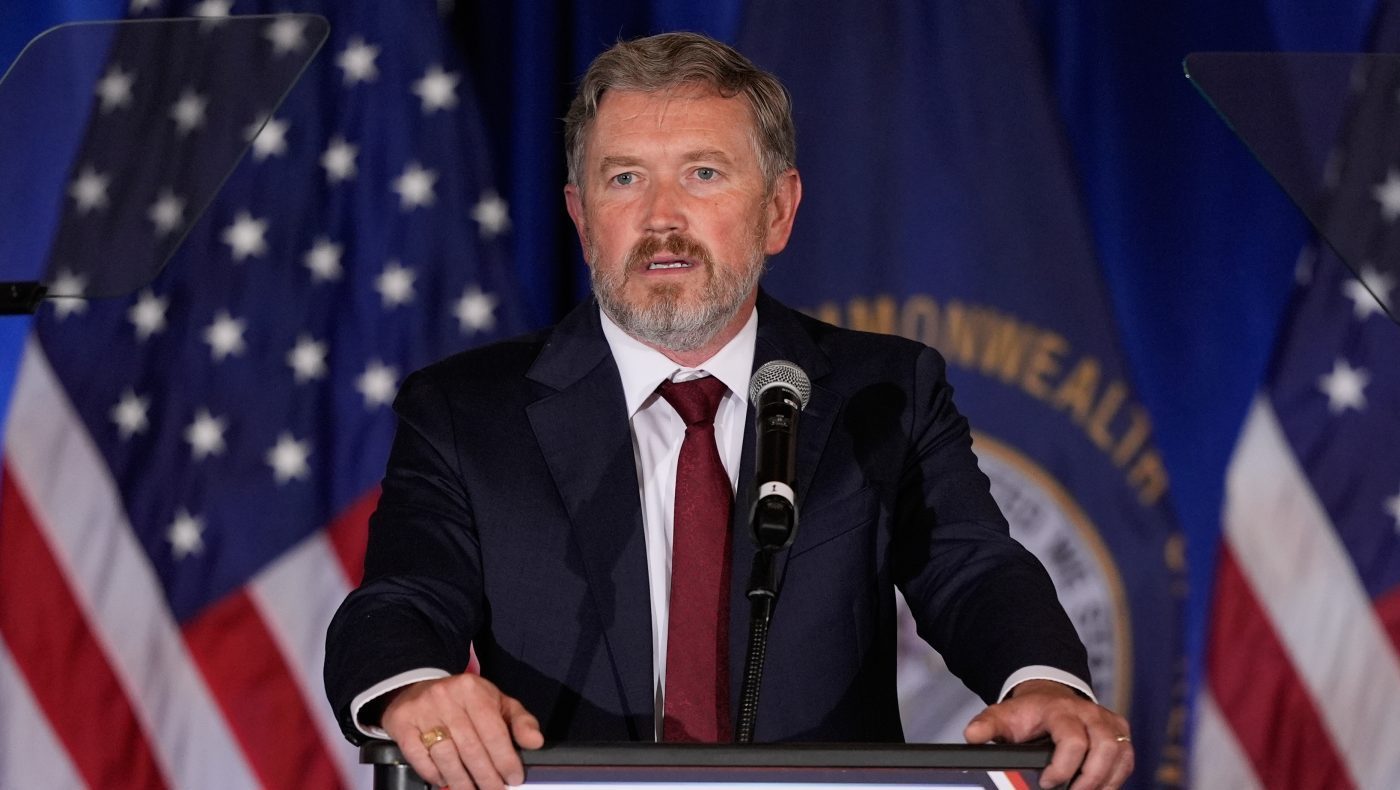
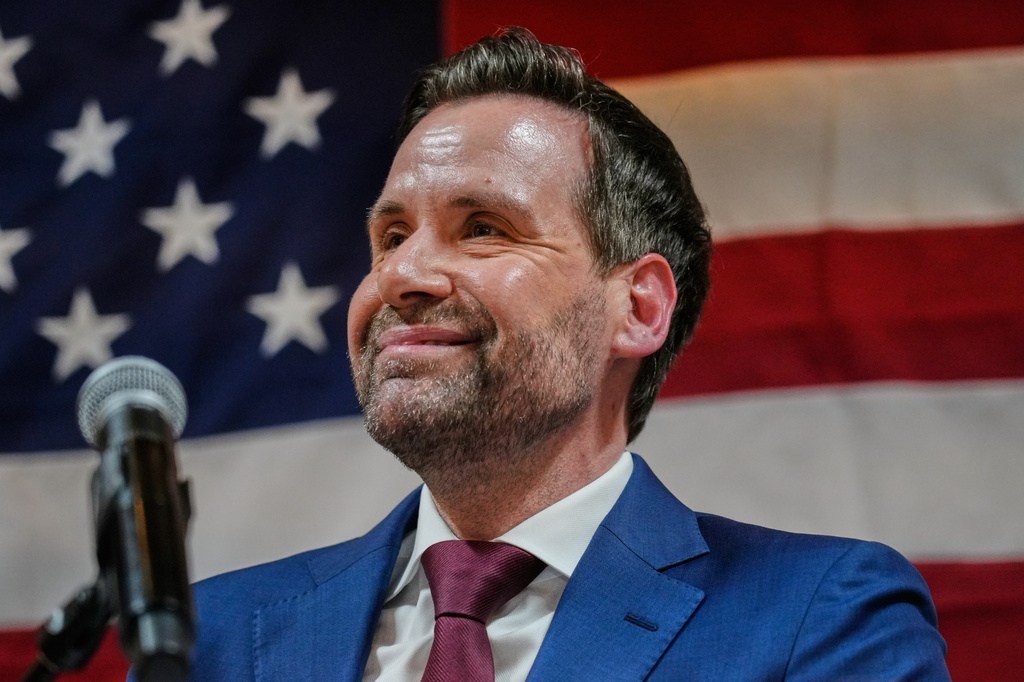
The two standard-bearers are Josh Turek, a Paralympian and U.S. Senate candidate, and Rob Sand, the state auditor and gubernatorial nominee. Both are trying to connect with voters who once formed the backbone of President Trump's coalition but are now being courted with a distinctly different message.
Turek's campaign has produced one of the most memorable ads of the midterm cycle. In it, he challenges former President Barack Obama to a game of HORSE on a driveway basketball court, spelling out “IOWA” instead. Obama, who won the state's caucuses in 2008 and carried it in two general elections, plays along, joking about his own Iowa success. The spot is a visual metaphor for Turek's approach: showing he can compete and win in a state that has drifted from the Democratic column.
But beyond the clever visuals, Turek is hammering on policy. He's targeting Republican Rep. Ashley Hinson's votes for Trump-era Medicare cuts, which nonpartisan analysts estimate could jeopardize healthcare for up to 100,000 Iowans and threaten the survival of eight rural hospitals. It's a direct appeal to voters who feel the sting of healthcare insecurity.
Sand, meanwhile, is running on his record as the state's lone Democratic statewide officeholder. He's positioning himself as a watchdog against waste, a stark contrast to the GOP-dominated state government. At rallies, he opens with “God Bless America,” a deliberate signal to push back against the narrative that Democrats are unpatriotic. He's also benefiting from a steady stream of unflattering stories about his opponent, including questions about residency and past business ventures.
The challenge is steep. Iowa hasn't elected a Democratic governor in 15 years or a Democratic senator in nearly two decades. The last one, Tom Harkin, has endorsed Turek, but the state's media environment is deeply polarized, and voters are often siloed into echo chambers.
National Democrats have long been caricatured as the party of the “faculty lounge,” a phrase coined by former Clinton aide Paul Begala. Turek and Sand are trying to break that mold by focusing on issues that resonate on the factory floor: the high cost of healthcare, government efficiency, and the right to repair farm equipment.
On the latter, they're tapping into a growing frustration with manufacturers like John Deere, who have monopolized repairs, forcing farmers to pay inflated prices. Turek and Sand support legislation that would let farmers fix their own machinery, saving time and money. It's a populist issue that cuts across party lines.
Iowa's small media market and tradition of retail politics give these candidates a chance to connect personally, something that's harder in larger states. With less expensive advertising, they can target voters directly, reminding them of the downsides of Trump's trade policies, like tariffs on Canadian goods that could hurt Iowa's farmers.
The stakes are high. If Turek and Sand can move the needle, their approach could become a template for Democrats nationwide. As one political analyst put it: “If you build it, they will come.” The question is whether Iowa's Democrats can build a bridge back to the working class before the midterms.