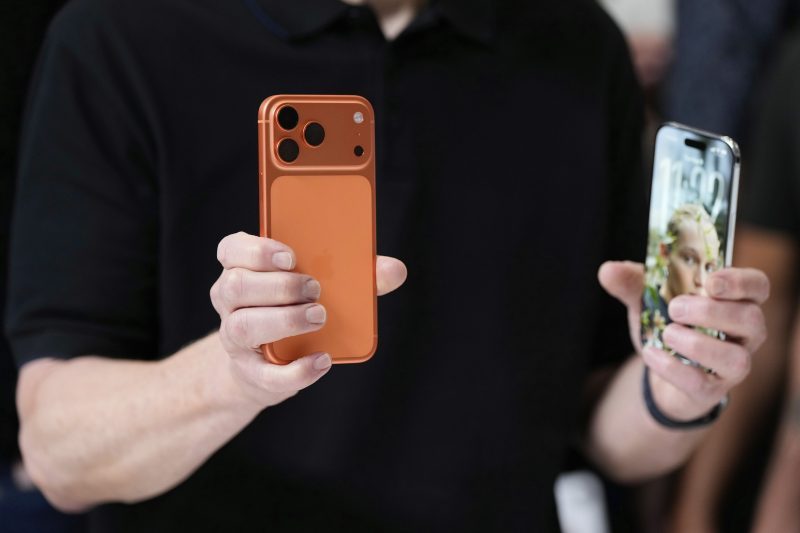
Apple is gearing up for its annual September event, where the tech giant typically unveils its latest hardware and software. For most users, the biggest takeaway will be the arrival of iOS 27, the newest version of the iPhone operating system. The update was first previewed at Apple's Worldwide Developers Conference in June, and the company is expected to roll it out to the general public shortly after Wednesday's keynote.
As is customary, Apple has already let developers and beta testers try out iOS 27 through its developer and public beta programs. Early reviews highlight significant improvements to Apple's AI capabilities and the Safari browser, along with a host of other refinements. But the big question for many iPhone owners is whether their device will be eligible for the update.

Compatibility Concerns
Apple has not yet published the official list of supported devices for iOS 27, but based on historical patterns and early beta reports, the update is likely to support most iPhones released in the last few years. However, older models—such as the iPhone X and earlier—may be left out. This follows Apple's trend of dropping support for devices that are more than five years old, a move that has drawn criticism from consumer advocates but is seen as necessary to ensure performance and security.
If you're unsure whether your device qualifies, you can check Apple's website or the Settings app once the update is available. Typically, if your iPhone runs iOS 26, it will likely support iOS 27, but there are exceptions. For example, the iPhone 6s and iPhone 7, which were supported for many years, may not make the cut this time.
What's New in iOS 27
Beyond AI and Safari enhancements, iOS 27 is expected to bring a redesigned lock screen, new widgets, and improved privacy features. Apple has also been focusing on integrating its own AI assistant more deeply into the system, which could compete with similar offerings from Google and other rivals. The update is free, but you'll need a compatible device to take advantage of it.
For those who are eager to try iOS 27 immediately, the public beta is still open, but be aware that beta versions can have bugs and may affect battery life. Most users are advised to wait for the official release, which is likely to happen within the next few weeks.
Political and Regulatory Context
Apple's update strategy also has political implications. The company has faced pressure from lawmakers and regulators over its App Store policies and data privacy practices. In a related development, President Trump has pressed Apple to rename Lake Ontario on its maps, a move that has sparked debate. Meanwhile, Tim Cook's transition away from CEO has raised questions about Apple's future direction, though the company remains a major player in Washington.
As the September event approaches, all eyes will be on Apple to see not only what new iPhones are announced but also which devices will get the iOS 27 update. For millions of users, the answer could mean the difference between getting the latest features and being stuck with an outdated operating system.