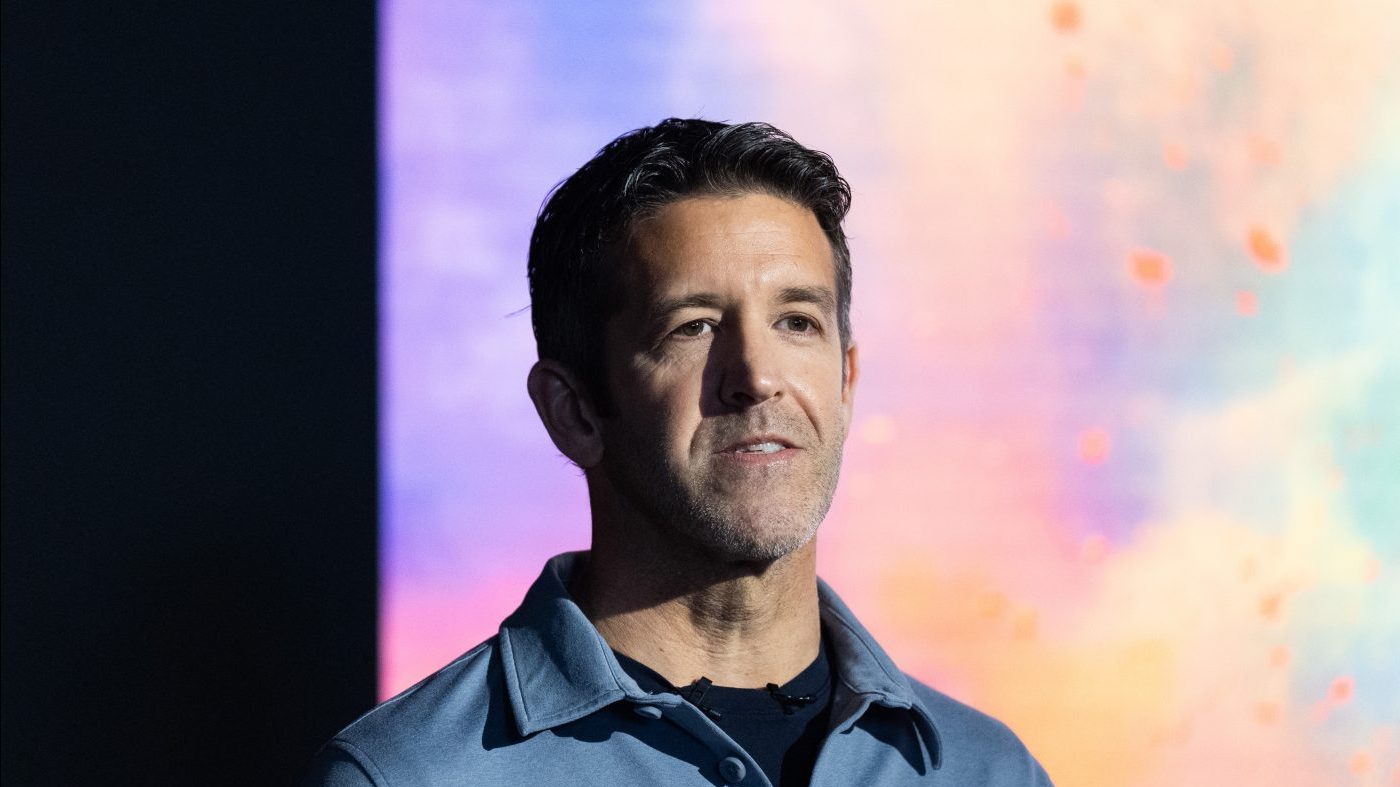
Apple's board has officially handed the chief executive role to John Ternus, a long-time hardware executive, marking the end of Tim Cook's 15-year leadership. During Cook's tenure, Apple's market value soared to $4.6 trillion, driven largely by the iPhone's sustained popularity.
The leadership change comes at a critical juncture for the tech giant. The rapid rise of artificial intelligence has triggered the most significant industry shift since the late Steve Jobs introduced the first iPhone in 2007. Apple has struggled to keep pace, having missed its own deadlines for delivering AI features promised nearly two years ago.
Earlier this year, Apple unveiled a series of AI upgrades, including enhancements to its Siri assistant, with a focus on privacy and practical daily use. These moves are widely seen as an attempt to close the gap with competitors like Google and Microsoft in the AI arena.
Ternus, who previously oversaw hardware engineering, will now be forced to step outside his comfort zone. Beyond the AI race, he must manage supply chain complexities and maintain relationships with key political figures, including President Trump, who has publicly praised Cook's leadership.
Cook's ability to cultivate ties with the administration proved valuable as Apple navigated trade and tariff disputes with Asian countries, where much of its manufacturing is based. Although Cook is stepping down as CEO, he is expected to remain as executive chairman, a role that will likely keep him involved in high-level diplomatic efforts, particularly with the Trump White House.
Ternus has been instrumental in developing several of Apple's signature products, including the Apple Watch, AirPods, and the Vision Pro headset. He is slated to headline next week's iPhone launch event at Apple's Cupertino headquarters, a moment that will set the tone for his tenure.
The transition also comes amid broader political and economic uncertainty. As the administration pushes forward with anti-crime messaging and trade policies, Apple's global supply chain remains a focal point. Ternus will need to balance these external pressures while driving innovation internally.
Industry analysts note that Ternus's background in hardware could be both a strength and a limitation. While he understands Apple's product ecosystem intimately, the CEO role demands a broader skill set, including public policy engagement and stakeholder management. Cook's continued presence as chairman may provide a buffer, but Ternus will ultimately be accountable for Apple's strategic direction.
As Apple prepares for its next chapter, the stakes are high. The company's ability to regain its footing in AI will be closely watched, not just by investors but by policymakers and consumers alike. Ternus's early decisions will likely shape Apple's trajectory for years to come.