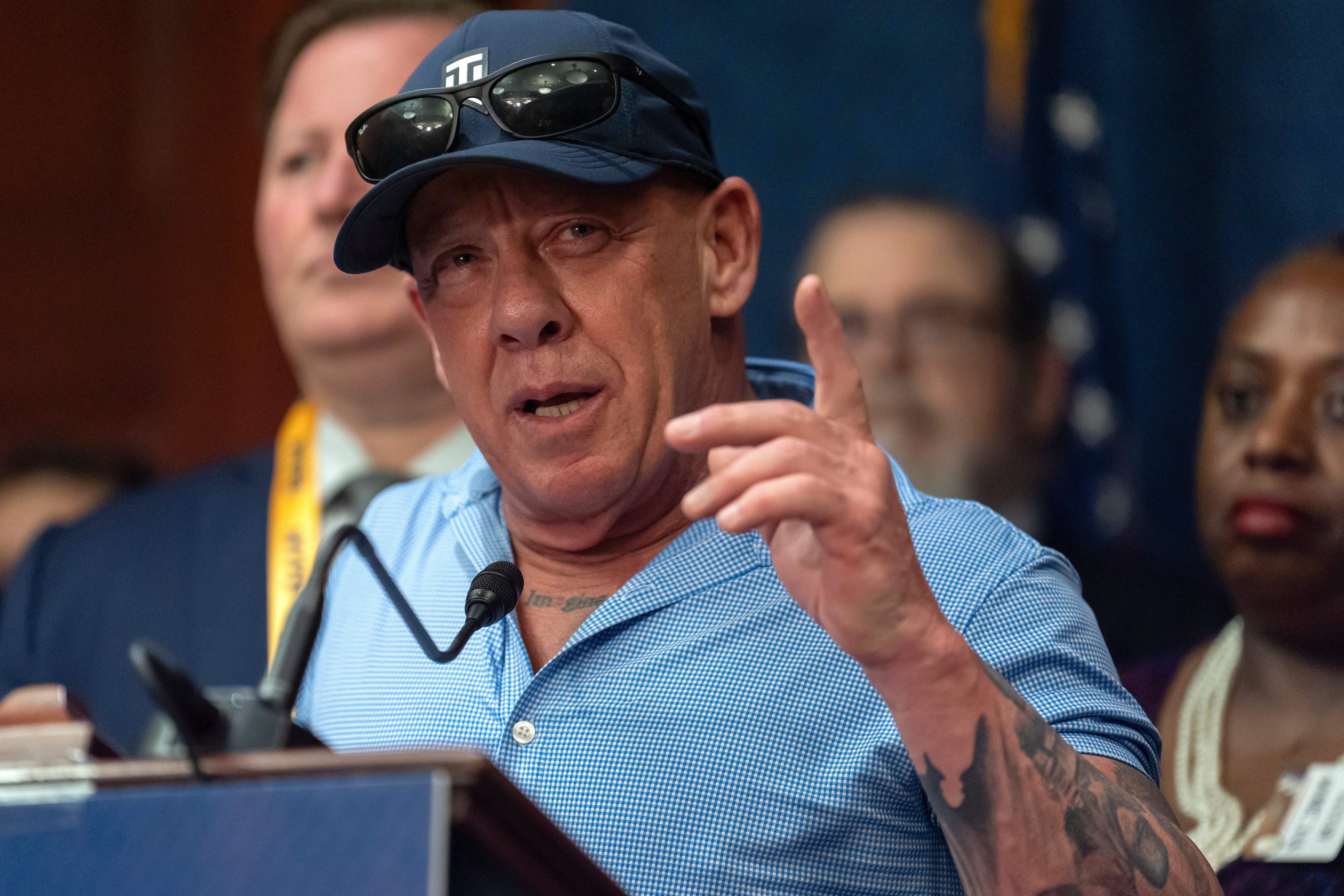
On a September morning in 2001, John Feal was directing debris removal atop the World Trade Center pile when an 8,000-pound steel beam broke loose and crushed his foot. The injury ended his time at Ground Zero, but it launched a two-decade political battle that would redefine how America cares for its 9/11 heroes.
Feal, a construction supervisor from Long Island, spent months in hospitals and ultimately lost half his foot. Because he was a volunteer, his medical bills weren't covered. He applied to the original Victim Compensation Fund and was denied. Forced to liquidate his assets, he attended group therapy for responders—only to hear them discuss selling homes and draining college funds to pay for cancer treatments and respiratory care.
The toxic dust from the Twin Towers' collapse was far more hazardous than officials admitted. Environmental Protection Agency Administrator Christine Todd Whitman publicly assured New Yorkers the air was safe, but scientists later compared its alkalinity to Drano. Hundreds of hazardous substances blanketed Lower Manhattan, and microscopic particles penetrated even protective gear. Responders developed aggressive cancers, digestive disorders, and PTSD—often with no family history of disease.
Feal took his fight to Washington, expecting gratitude. Instead, he met dismissal. Lawmakers would thank him for his service and then rush off to meetings. The turning point came in 2006 with the death of NYPD Detective James Zadroga, whose lungs contained asbestos, lead, benzene, and glass fibers after 450 hours on the pile. Feal returned to Capitol Hill with teams of ailing responders—some on oxygen, others in wheelchairs—and packed 50 meetings a day. They faced skepticism about the science, fears of fraud, and arguments that this was New York's problem. Feal countered with studies, demanded proof of fraud, and reminded lawmakers that responders came from every state.
The breakthrough came in December 2010, when Congress passed the James Zadroga 9/11 Health and Compensation Act, creating the World Trade Center Health Program and reopening the Victim Compensation Fund. But the law was incomplete: it excluded many cancers, covered a limited geographic area, and imposed a five-year deadline on illnesses that could take decades to emerge.
By 2019, the fund was running out of money. On June 11, Feal testified before a subcommittee, but most lawmakers stayed away. The nearly empty chamber became a symbol of indifference. Then Jon Stewart, the comedian-turned-advocate, delivered a blistering nine-minute rebuke: “Behind me: a room filled with 9/11 first responders. And in front of me: A nearly empty Congress. Sick and dying, they brought themselves down here to speak—to no one.” Stewart challenged lawmakers to “do your jobs.” Within weeks, Congress overwhelmingly passed the Never Forget the Heroes Act, which President Trump signed.
Today, Feal continues to monitor the funds, wary of renewed threats from the Trump administration. His new memoir, I Will Follow You Anywhere, details both the victories and the ongoing vulnerabilities. Twenty-five years after the attacks, more than twice as many people have died from 9/11-related illnesses as were killed on that day. Researchers keep linking new diseases to the toxic dust, and thousands rely on the federal programs Feal helped create.
Feal's story is a reminder that policy change often comes from relentless grassroots pressure. As he puts it, “Someone had to fight for them.” That fight reshaped federal health policy and ensured that the nation's promise to never forget extends beyond the dead to the living—and the sick.