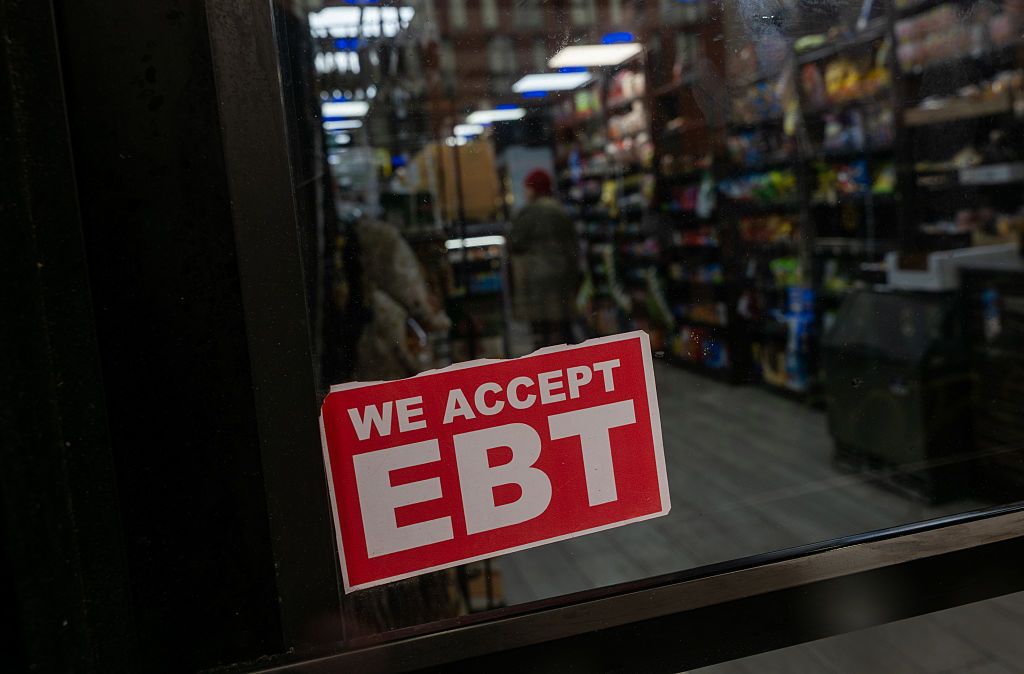
A new legislative push in the House would strip away a little-known but vital option for some Supplemental Nutrition Assistance Program (SNAP) recipients: the ability to use their benefits to purchase prepared meals at restaurants.
The bill, introduced this month by Rep. Brandon Gill (R-Texas), targets the Restaurant Meals Program (RMP), a voluntary state option that lets certain SNAP participants—such as the elderly, disabled, or homeless—use their EBT cards at approved eateries. Currently, nine states participate in RMP, offering a lifeline to those who lack the means or ability to cook for themselves.

Gill argues the program goes beyond the program's intended purpose of helping families buy groceries to prepare at home. “SNAP was designed to supplement food purchases for home consumption, not to subsidize restaurant dining,” Gill said in a statement announcing the bill. “We must ensure taxpayer dollars are used responsibly and that benefits are directed toward their core mission.”
Critics, however, see the proposal as an attack on vulnerable populations. “This bill would pull the rug out from under seniors, disabled individuals, and people experiencing homelessness who rely on RMP for a hot meal they can actually eat,” said Sarah Berman, a policy analyst at the Center for Budget and Policy Priorities. “It's a small program with a big impact, and eliminating it would cause real harm.”
According to the U.S. Department of Agriculture, which administers SNAP, the program served roughly 37 million Americans in 2024. While the vast majority of benefits are used to buy groceries, RMP provides an essential alternative for those who might otherwise go without a nutritious meal. States that participate include California, Arizona, and Rhode Island, among others.
The bill has been referred to the House Agriculture Committee, where it faces an uncertain path. Similar proposals have surfaced in previous sessions but failed to advance. Still, with Republicans holding a narrow majority, the measure could gain traction, especially amid ongoing debates over immigration enforcement in federal benefit programs.
Supporters of the bill argue that RMP is prone to abuse and that benefits should be limited to grocery purchases. “We've seen instances of EBT cards being used at fast-food chains, which is not what taxpayers expect when they fund these programs,” said a spokesperson for the House Agriculture Committee's Republican staff.
Opponents counter that RMP includes strict oversight and that participating restaurants must meet state health and safety standards. They also note that the program is designed to reduce hunger among populations that are often overlooked. “This is about basic dignity and access to food,” Berman added. “It's not a luxury; it's a necessity.”
The fate of the bill remains uncertain, but it has already sparked debate about the scope of SNAP and the balance between fiscal responsibility and humanitarian need. As the legislative process unfolds, advocates on both sides are gearing up for a fight over the future of food assistance in America.