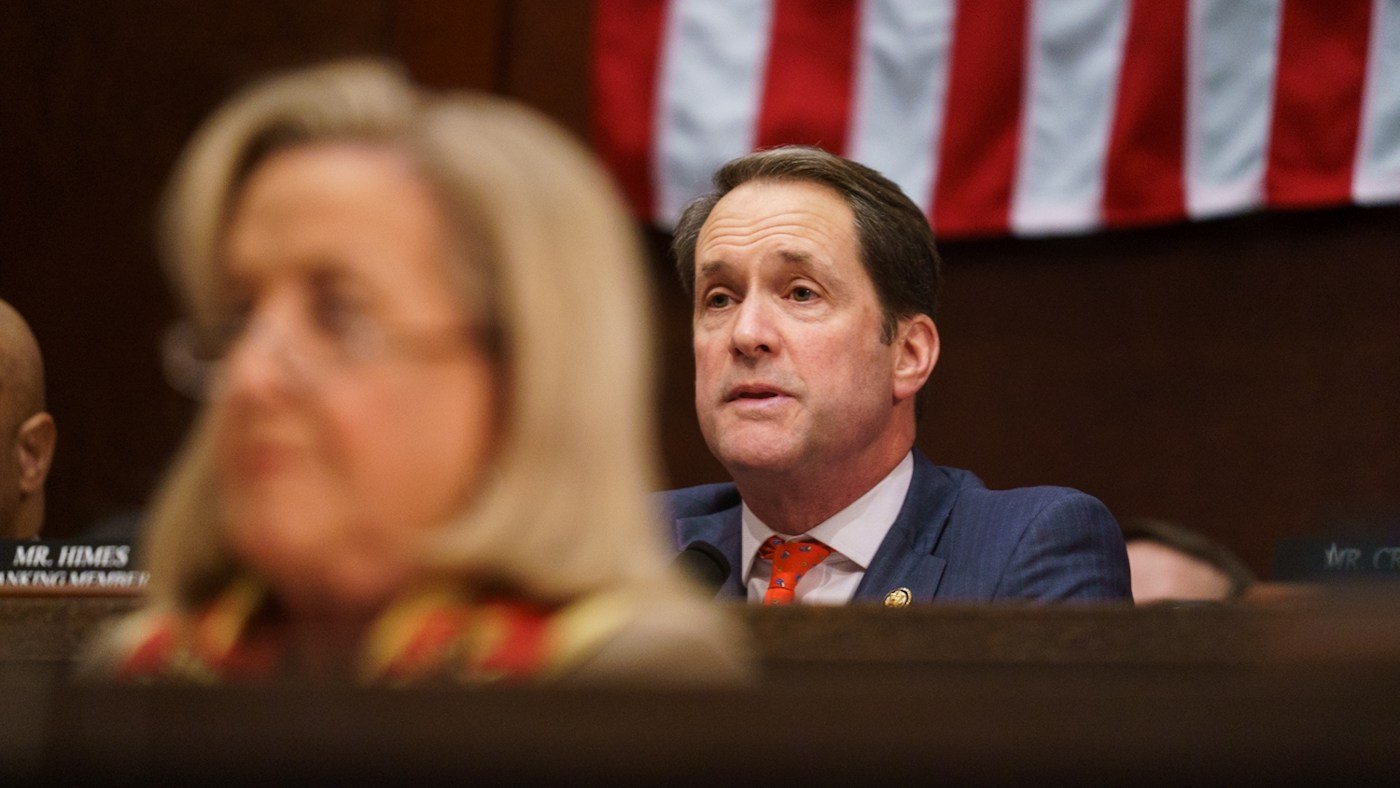
Rep. Jim Himes (D-Conn.), the top Democrat on the House Intelligence Committee, is pressing Republicans to reauthorize the nation's warrantless surveillance powers before the current Congress adjourns, warning that the political landscape will shift dramatically in the new year.
Speaking with The Hill, Himes said he has personally urged senior Trump administration officials to prioritize the renewal of Section 702 of the Foreign Intelligence Surveillance Act (FISA) during the lame-duck session. The program, which allows the government to intercept communications of foreigners abroad, has been a flashpoint for privacy advocates on both sides of the aisle who want to require a warrant before intelligence analysts review incidentally collected data on Americans.
“I made it clear to some very senior administration officials that they should get this thing done in the lame duck because it’s going to be a very different 702 that gets reauthorized in the first quarter of next year,” Himes said. “And I wasn’t even saying that’s good or bad. I’m just saying it’s a political reality that the 702 that gets reauthorized with a Democratic House and Senate is going to be a very different 702 that gets reauthorized in the lame duck.”
Himes’s warning comes as the Senate has yet to act on a House-passed bill that would extend the surveillance authority with modest reforms. That measure, which cleared the Republican-led House with bipartisan support, has languished in the upper chamber, and the program briefly lapsed over the summer before a short-term extension was included in a broader spending package. The current authorization expires in March, and intelligence officials say they are already operating under a court-approved framework that could lose its legal force if the underlying statute is not renewed.
“I just asked them to think about that because they’ve been screwing around,” Himes said, referring to the administration. “The administration’s been screwing around and deprioritizing this issue, even though it’s exposing them to huge risk.”
The FISA 702 debate does not split neatly along party lines. Himes and several other Democrats supported the GOP-backed bill now pending in the Senate, which includes some privacy safeguards but stops short of a full warrant requirement. However, a growing number of congressional Democrats are demanding stricter oversight, citing both distrust of President Trump’s use of surveillance powers and broader concerns about Americans’ privacy rights.
“The next Congress will have more members who are skeptical of warrantless surveillance,” Himes noted. “That’s a fact that the administration and Republican leadership should not ignore.”
The stakes are high for intelligence agencies, which rely on 702 to gather foreign intelligence. If the authority expires, companies that provide communications data could refuse to comply with government requests, potentially crippling counterterrorism and cybersecurity operations.
Himes’s comments reflect a broader political dynamic as Republicans face a lame-duck agenda with limited time and a divided government. He also pointed to the upcoming shift in Senate control as a reason to act quickly.
“If they don’t move now, they’ll have to deal with a more aggressive Democratic majority in January,” Himes said. “The choice is theirs.”
Intelligence officials have warned that failure to renew 702 would be a significant setback for national security. But privacy advocates argue that the program’s scope has expanded beyond its original intent and that Americans deserve stronger protections.
Himes, who has been a vocal advocate for intelligence oversight, said he is not taking a position on whether a stricter version would be better or worse. “I’m just stating the political reality,” he said. “The administration and the GOP should heed that warning.”