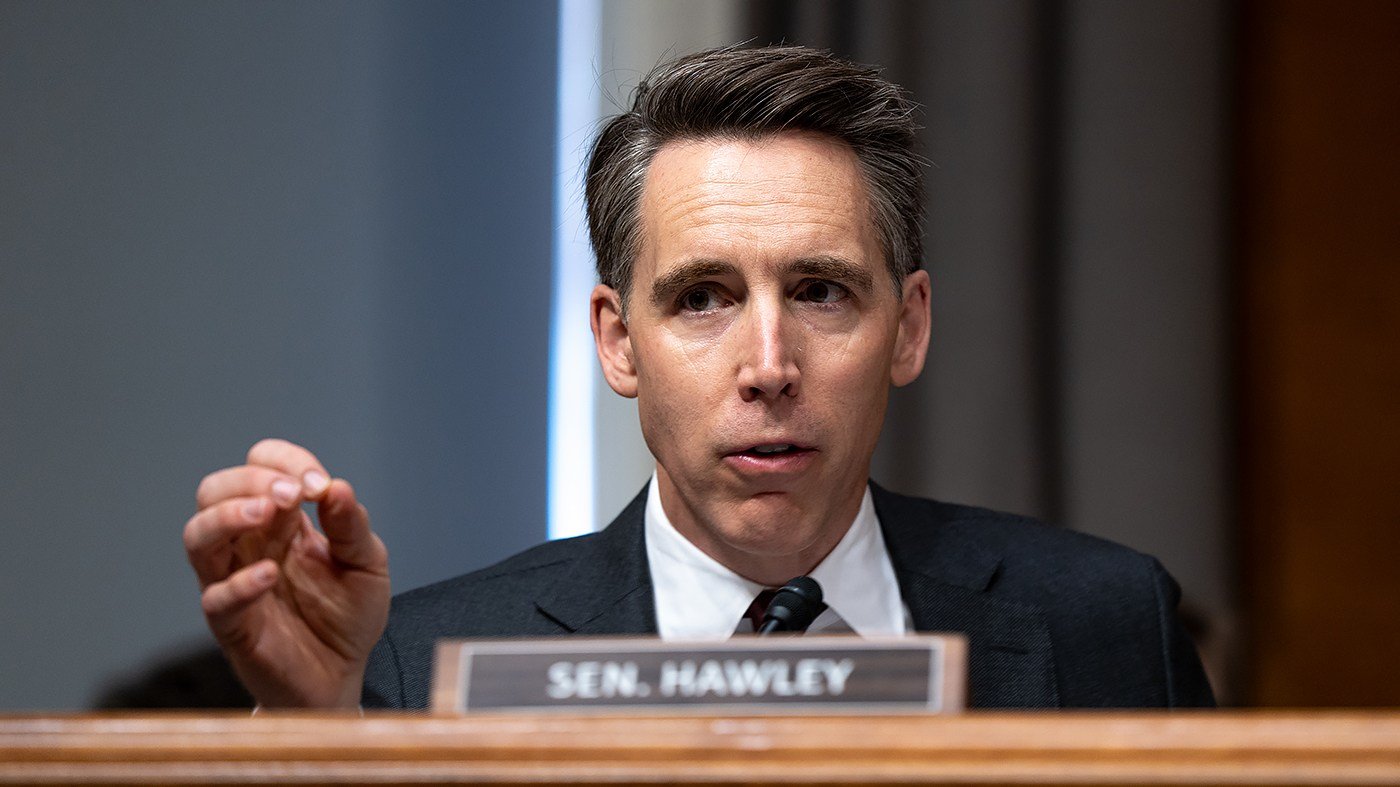
Sen. Josh Hawley (R-Mo.) announced Thursday that he is expanding his inquiry into AI-powered surveillance networks, adding three more companies to a probe initially focused on Flock Safety's roadside cameras.
Hawley, who chairs the Senate Judiciary Subcommittee on Crime and Counterterrorism, said in a social media post that Flock is not the only player in the surveillance industry. He argued that other firms are also deploying large camera networks with artificial intelligence that infringe on Americans' privacy.
In letters sent to the CEOs of Motorola Solutions, Verkada, and Axon Enterprise, Hawley requested details about how each company handles the retention and use of data collected through their AI camera systems. The letters mark a significant escalation in the senator's scrutiny of the growing surveillance ecosystem.
Last week, Hawley wrote to Flock CEO Garrett Langley, expressing alarm that the company's network of more than 120,000 cameras across 49 states has enabled "abuse and misuse of personal data" due to what he described as a "woeful lack of safeguards."
Flock has faced public backlash following reports that police officers in multiple jurisdictions used the network to track former romantic partners, leading several departments to cancel contracts with the company. The controversy has also drawn the attention of lawmakers on both sides of the aisle.
Rep. Thomas Massie (R-Ky.) introduced the "Flock-Off Act" in the House this week, which would prohibit federal funding for automated license plate readers and biometric surveillance cameras. Massie argued that Washington should not subsidize local surveillance programs that turn communities into a modern-day "1984."
Flock responded to the House bill by warning that it could harm public safety. A company spokesperson said the focus should be on establishing clear safeguards and accountability rather than banning a tool that helps law enforcement. "We do not have to choose between protecting privacy and giving law enforcement the tools it needs," the spokesperson said.
The expansion of Hawley's probe comes amid broader debates over the role of AI in policing and surveillance. The senator's move signals growing bipartisan concern about the unchecked growth of data collection by private companies, especially as police surveillance networks continue to expand.
Motorola Solutions, Verkada, and Axon have not yet commented on the letters. The Hill has reached out to all three companies for response.
This development follows recent scrutiny of Flock's contracts in cities like Dallas, where funding disputes have led to camera removals. It also comes as federal authorities investigate data breaches that highlight vulnerabilities in systems handling personal information.