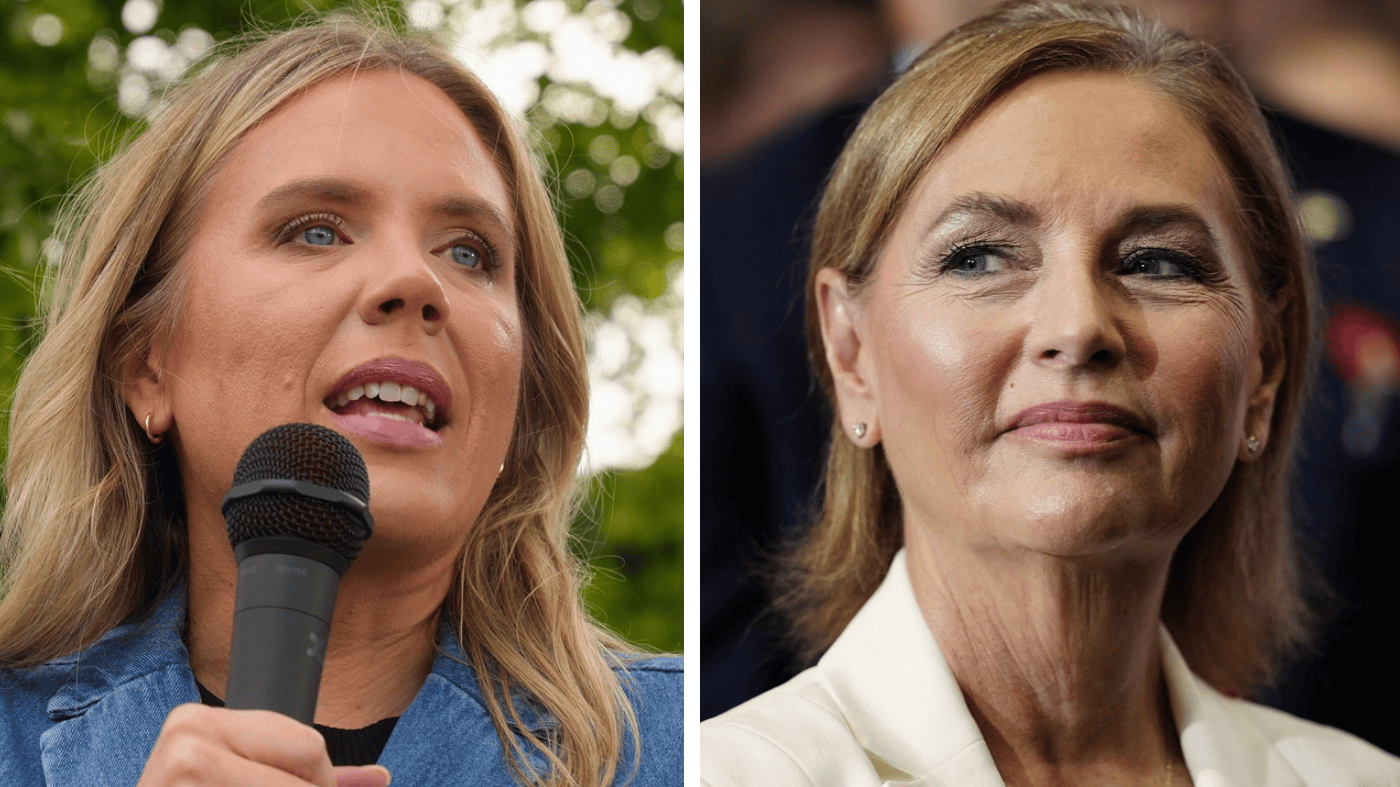
With less than a week until Election Day, the South Carolina Senate race has tightened into a statistical dead heat, according to a new survey from The New York Times and Siena University. The poll, released Wednesday, shows Republican Sen. Darline Graham and Democratic challenger Annie Andrews each capturing 48 percent support among likely voters in the Palmetto State.
The numbers are striking given South Carolina's recent political history: the state hasn't sent a Democrat to the U.S. Senate since 1998. But this race has been anything but typical, marked by the sudden death of the late Sen. Lindsey Graham, a controversial appointment, and a Democratic challenger who has vastly out-raised her opponent.
Voter enthusiasm and early voting
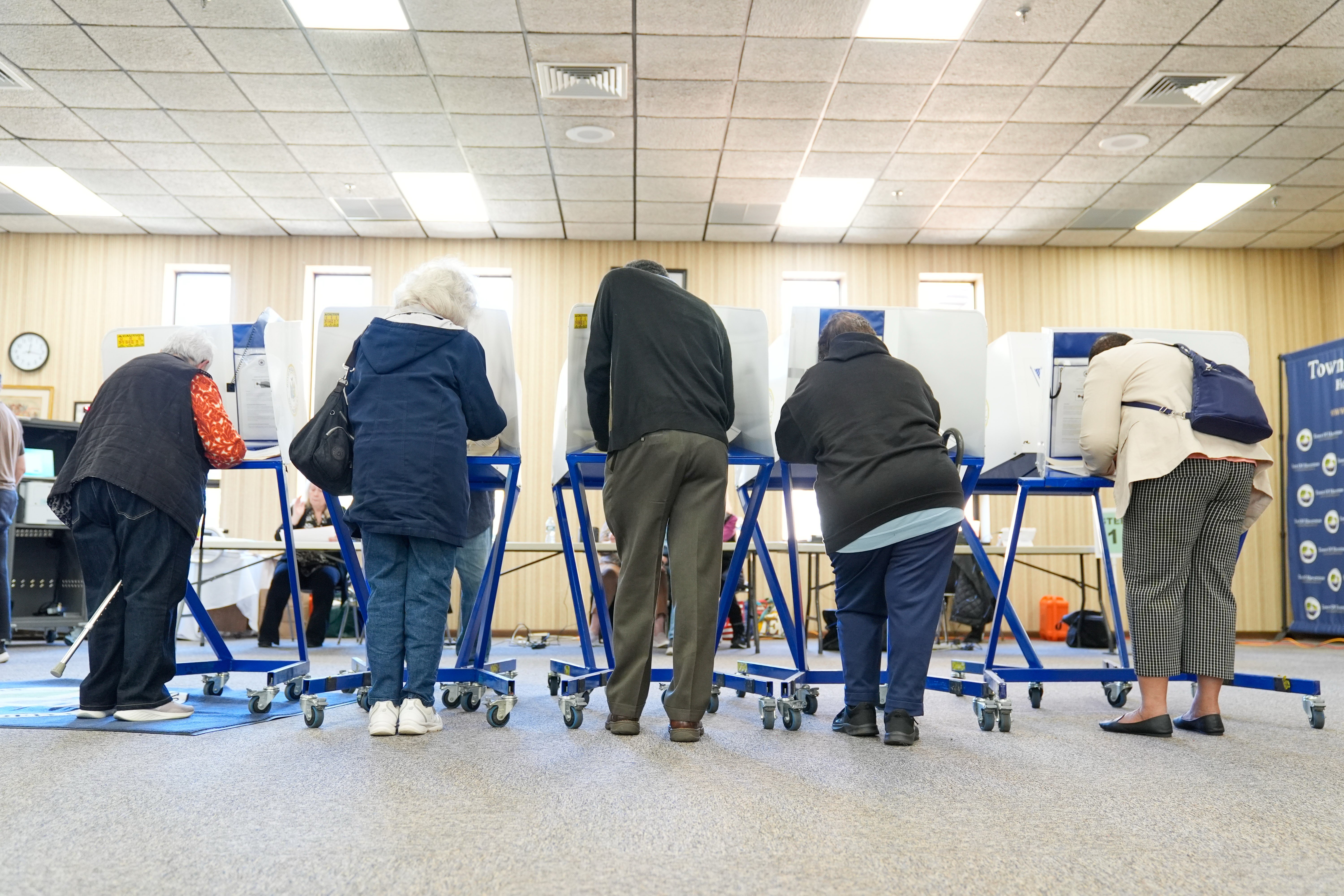
The survey indicates strong voter engagement heading into next Tuesday. Nearly three-quarters of respondents (73 percent) said they were "almost certain" or at least somewhat likely to vote, while 22 percent said they had already cast their ballots early. Only 3 percent said they were unlikely to vote, and 2 percent were unsure or declined to answer.
When asked which party they would back if the election were held today, 51 percent of respondents chose the Republican candidate, while 43 percent chose the Democrat. The remaining 6 percent said they would support another candidate or were undecided.
Republican spending surge
In response to the tight race, Republicans have dramatically increased their financial firepower. According to ad-tracking firm AdImpact, GOP outside groups have poured more than $20 million into backing Graham in recent weeks. The incumbent, who was appointed to fill her brother's term, has struggled to raise money on her own. Federal Election Commission filings show Graham had raised just $1.2 million as of Oct. 14, compared to Andrews's $23.8 million.
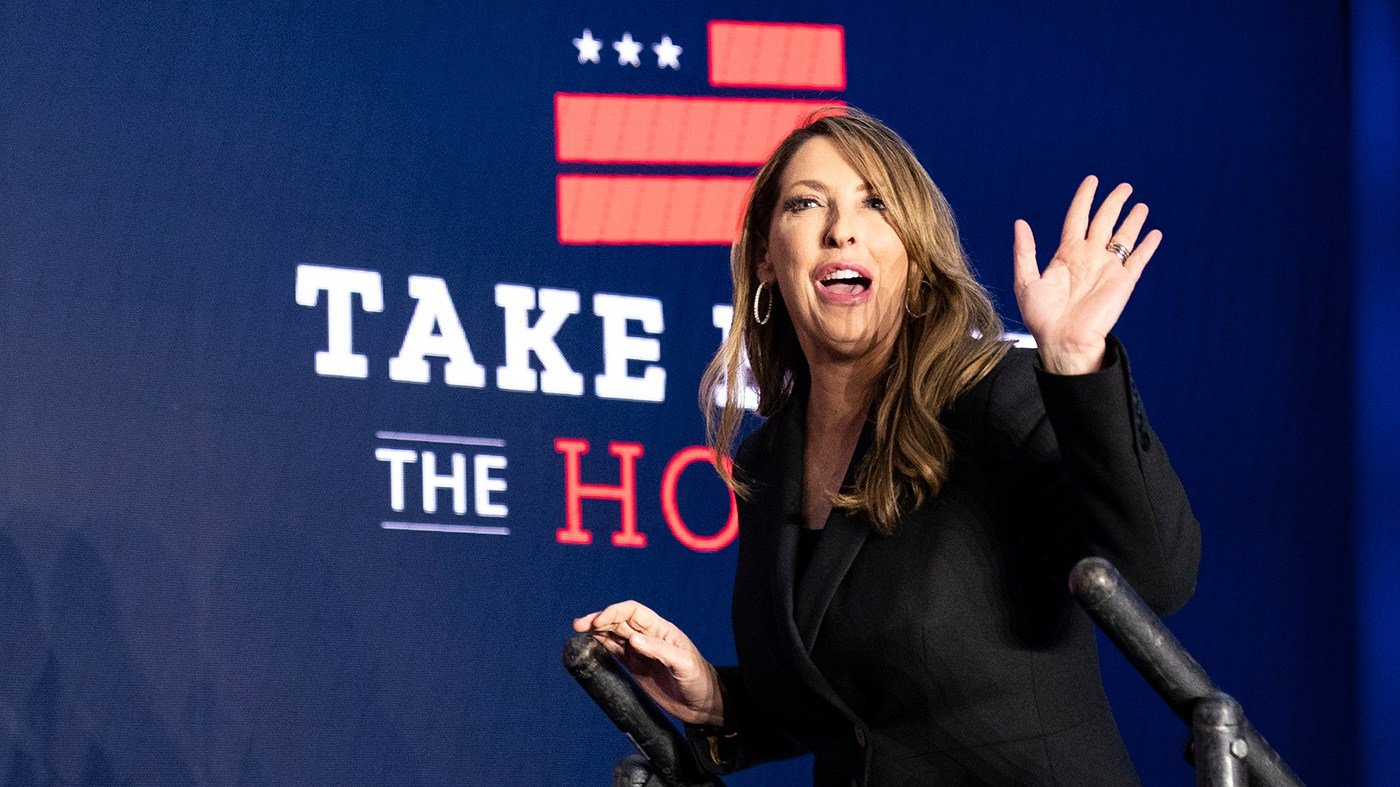
Former President Trump has made multiple trips to the state to boost Graham, including a visit last week. The Republican National Committee announced that Trump will return to South Carolina on Thursday, just days before the midterms, as part of a final push to shore up GOP support.
Fractures within the GOP
Despite the party's unified front, there are visible cracks. Rep. Ralph Norman (R-S.C.), who lost to Graham in the special primary, said last week that while he would keep his promise to vote for her, his family would not be supporting her. "I would not do an event with her, and I made that pretty clear," Norman said during a radio interview. "When I conceded the race, I called her and congratulated her, but that's the only time I've spoken with her."
Democrats, meanwhile, are hoping to break a long losing streak in the state. They've been burned before: in the 2020 Senate race, polls suggested a close contest between the late senator and former Democratic National Committee chair Jaime Harrison, but Harrison lost by 10 points. Still, this year's dynamics have some Democrats cautiously optimistic, especially with ex-governors from both parties backing Andrews.
National implications
The neck-and-neck race is one of several battlegrounds as Republicans fight to maintain their Senate majority. According to nonpartisan election forecaster Decision Desk HQ (DDHQ), the likeliest flips for Democrats are in North Carolina, Alaska, Texas, and Ohio — the four seats they need to take control. The party also has a greater than 40 percent chance in Iowa and Maine, and a greater than 30 percent chance in South Carolina and Kansas. DDHQ gives Graham a 67 percent chance to win.
The Times/Siena poll was conducted from Oct. 19-26 among 707 voters in South Carolina and has a margin of error of 4.3 percentage points.