Republican senators are showing little enthusiasm for President Trump's latest tariff escalation against Canada, with many viewing the 50% levies as a typical Trump negotiating ploy but voicing alarm over the potential for higher consumer prices just as midterm elections loom.
Trump announced the new tariffs on Monday, targeting Canadian imports including alcohol, dairy, and motor vehicles, as part of an effort to pressure Ottawa in ongoing trade talks. The move comes after the Supreme Court struck down a separate emergency tariff authority in February, forcing the administration to rely on a niche provision from a Great Depression-era law.
GOP Lawmakers Demand Answers
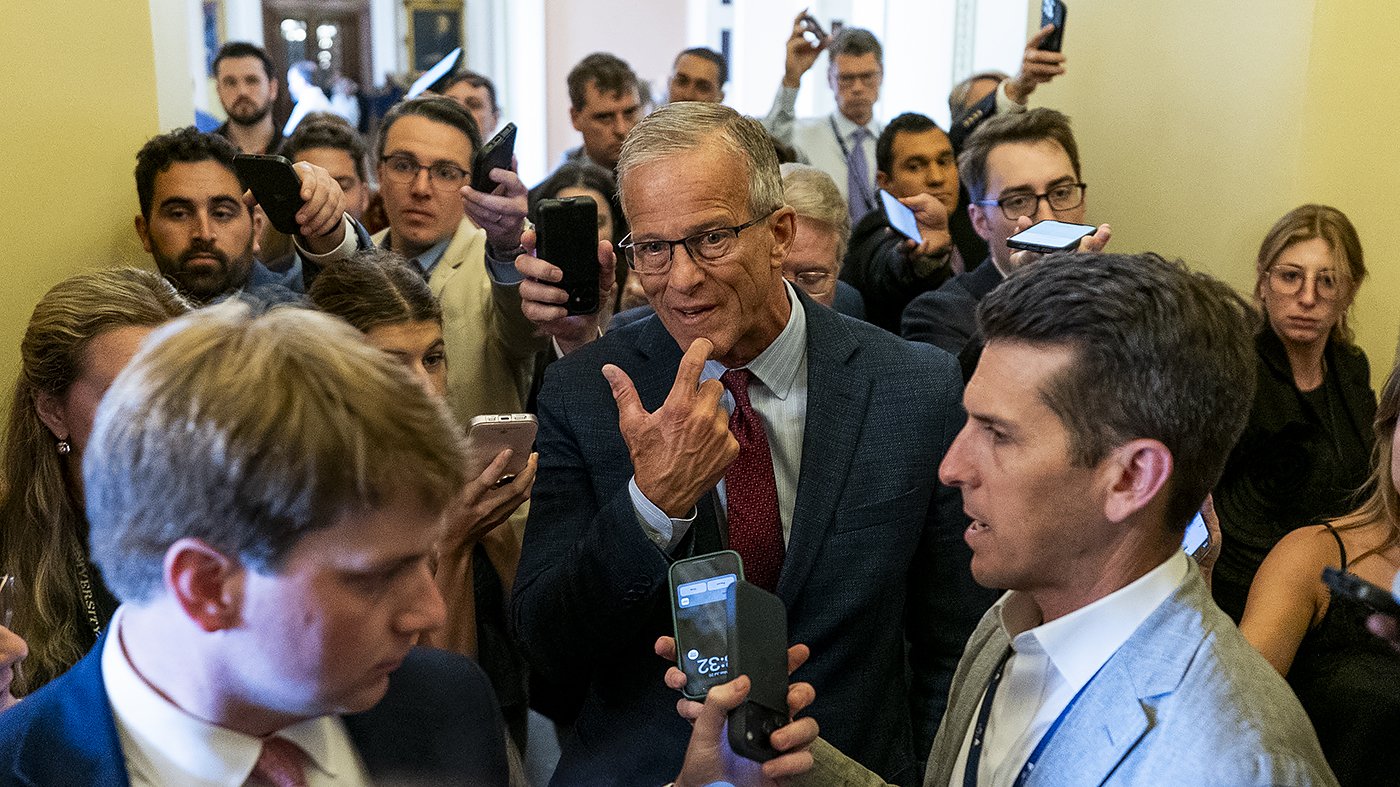
Senate Majority Leader John Thune (R-SD) told reporters Tuesday he was not a 'huge fan of tariffs' generally and had yet to hear a convincing rationale for this round. 'I haven't heard the rationale for this one just yet,' Thune said, echoing concerns raised by other Republicans about the lack of clarity on the administration's goals and legal authority.
Sen. Mike Rounds (R-SD) said he wanted to understand what constitutes success for the tariffs and which law Trump is using. 'What is the goal of the tariffs? And I haven't seen which provision within the law he's utilizing,' Rounds said.
Sen. John Cornyn (R-TX), who lost his primary this year to a Trump-backed candidate, acknowledged the tariffs are 'his way of negotiating' but admitted they risk raising prices. 'There's no question that tariffs on imports raise prices on American products,' Cornyn told The Hill.
Affordability Concerns Dominate
The tariff announcement lands amid rising inflation and fuel costs, with the war in Iran contributing to economic pressures. Several GOP lawmakers stressed that affordability should be the party's priority. Sen. Bill Cassidy (R-LA), who is also leaving Congress after a primary loss, said tariffs of that magnitude 'will translate into higher prices for the American consumer.'
Rounds pointed to the broader economic context: 'Right now inflation is not as low as it was; it is up. Fuel prices are very important that we try to maintain, bring down.' He added that international issues have driven gasoline costs higher, making tariff-driven price hikes particularly unwelcome.
Sen. John Hoeven (R-ND), whose state borders Canada, suggested the tariff threat is likely a negotiating tactic that may not materialize fully. 'I think you're gonna see this move around,' he said, while emphasizing the need to protect North Dakota producers.
Conservative Think Tank Calls Tariffs 'Bullying'
Andrew Hale, a fellow at Advancing American Freedom, a conservative think tank founded by former Vice President Mike Pence, dismissed the administration's justification as 'baseless.' He argued that no proper investigation into unfair trade practices had been conducted and predicted the tariffs would be challenged in court. 'This is bullying,' Hale said. 'Canada should stand firm and not capitulate.'
Hale characterized the use of the obscure legal provision as a loophole to restore tariff levels lost after the Supreme Court ruling. 'It is simply an excuse to try to replicate and try to get a patchwork of tariffs together to replicate what they lost with IEEPA,' he said, adding that the administration is 'throwing tariffs at the wall and hoping one of them will stick.'
The internal GOP unease underscores a broader tension within the party between Trump's aggressive trade tactics and traditional conservative support for free trade. As the midterms approach, the affordability issue is likely to remain a flashpoint, with some Republicans wary of being saddled with the economic consequences of the president's tariff strategy.