Senate Republicans are increasingly voicing frustration with the administration's handling of the Iran war, citing a lack of clear objectives and a failure to communicate a strategy as the conflict drags on and fuel prices climb.
The war, now in its seventh month, has become a significant political liability for the GOP. The continued closure of the Strait of Hormuz and new threats to oil exports from Iranian-backed Houthi militias have pushed crude prices to nearly $106 a barrel, with the national average for regular gasoline hitting $4.37 a gallon. But it's the soaring cost of diesel—now averaging $6.31 nationally—that has particularly alarmed Republicans, as it hits battleground states like Alaska, Nebraska, Iowa, and Maine especially hard.
Lack of transparency and clear goals
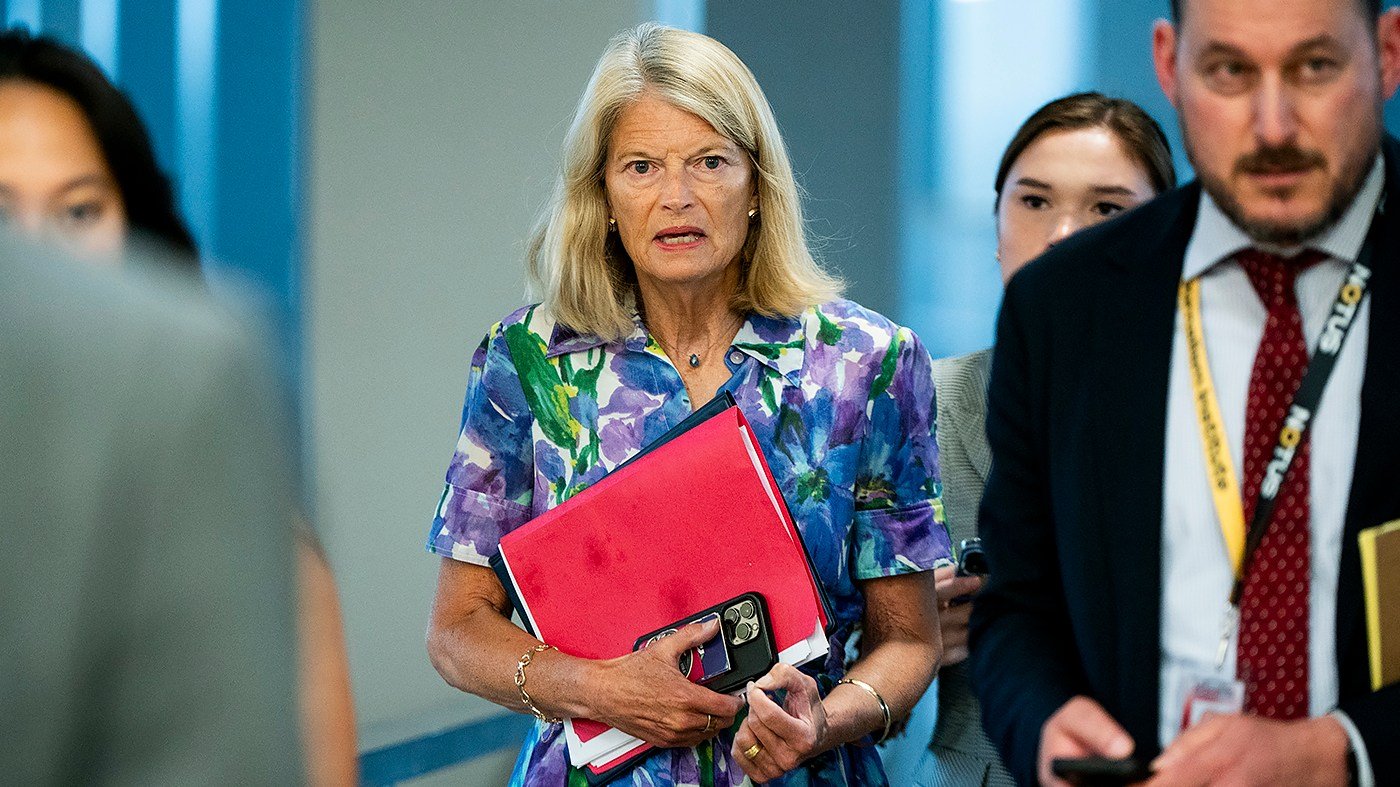
Senator Lisa Murkowski (R-Alaska) expressed deep dissatisfaction, telling reporters that the administration has provided little transparency or information about the war's progress, expected costs, and what comes next. She noted that Defense Secretary Pete Hegseth gave senators a cost estimate just before the August recess but has offered no significant updates since.
“I don’t think that the president ever really made the case for, ‘This is why I’m going into Iran now, this is the objective, these will be the metrics along the way,’” Murkowski said. “I don’t think that was ever fully articulated.” She added that Alaskans are questioning why the war, which President Trump initially said would last only four or five weeks, is still ongoing and is now hitting their wallets.
“As I’m talking to Alaskans, they’re saying, ‘Wait a minute, he said we were going to be in and out in a matter of weeks. And not only are we still there but this is what I am feeling in my community when it comes to the cost of the war,’” she said. “I’m not satisfied with where we are. Not at all.”
Pressure on GOP candidates
The war is a major drag on Republican candidates, particularly in states with tight Senate races. Senator Dan Sullivan (R-Alaska) faces a tough reelection fight, and Senator Joni Ernst (R-Iowa), a member of the Armed Services Committee, said voters “would love to hear a clear message coming from the administration” about the war’s objectives and an exit plan. “I would, too,” she added.
Ernst noted that while voters are wary of sending ground troops, they do want to ensure Iran does not develop nuclear weapons. The concern over fuel prices is palpable, she said. Two House Republicans from Iowa—Zach Nunn and Mariannette Miller-Meeks—voted Wednesday with Democrats and a handful of other Republicans to pass a war powers resolution directing Trump to end the conflict, a reversal from their previous votes, underscoring the mounting pressure in swing districts.
Criticism from vulnerable senators
Senator Susan Collins (R-Maine), who faces a tough race, acknowledged Iran's threat but faulted Hegseth for failing to anticipate Iran's leverage in closing the Strait of Hormuz. “There’s no doubt that Iran is the greatest sponsor of terrorist groups around the world, is pursuing a nuclear weapon, and has an extensive inventory—or did—of ballistic missiles. Having said all of that, it does not appear to me that the secretary of Defense or War had a clear plan,” she said, adding that the closure should have been anticipated given it happened during the Iraq-Iran war.
Senator John Curtis (R-Utah) said voters in his state are overwhelmingly concerned with “affordability” and are linking gas prices to the war, though he declined to comment directly on the administration's handling, calling it “an hourlong answer.”
Public opinion and political fallout
Public disapproval of the war is stark. A New York Times/Siena poll conducted Sept. 8-13 found that 66 percent of likely voters disapprove of the war, and 63 percent believe Trump's decision to start it was wrong. Senator John Cornyn (R-Texas) said the lack of clear articulation from the president is undermining public support. “I support the president’s efforts there, I just wish we had a better articulation about what exactly our objectives were,” he said. “If the president was clearer on what the objectives were, I think [constituents] would be more patient. But in the absence of that, I think there’s just confusion.”
The war has also disrupted Saudi Arabia's oil shipments through the Red Sea, with Houthi rebels seizing islands and damaging pipelines, threatening even higher energy prices. Senator John Kennedy (R-La.) praised the administration's economic pressure on Iran but the broader GOP discontent reflects a party grappling with the political consequences of a prolonged conflict.