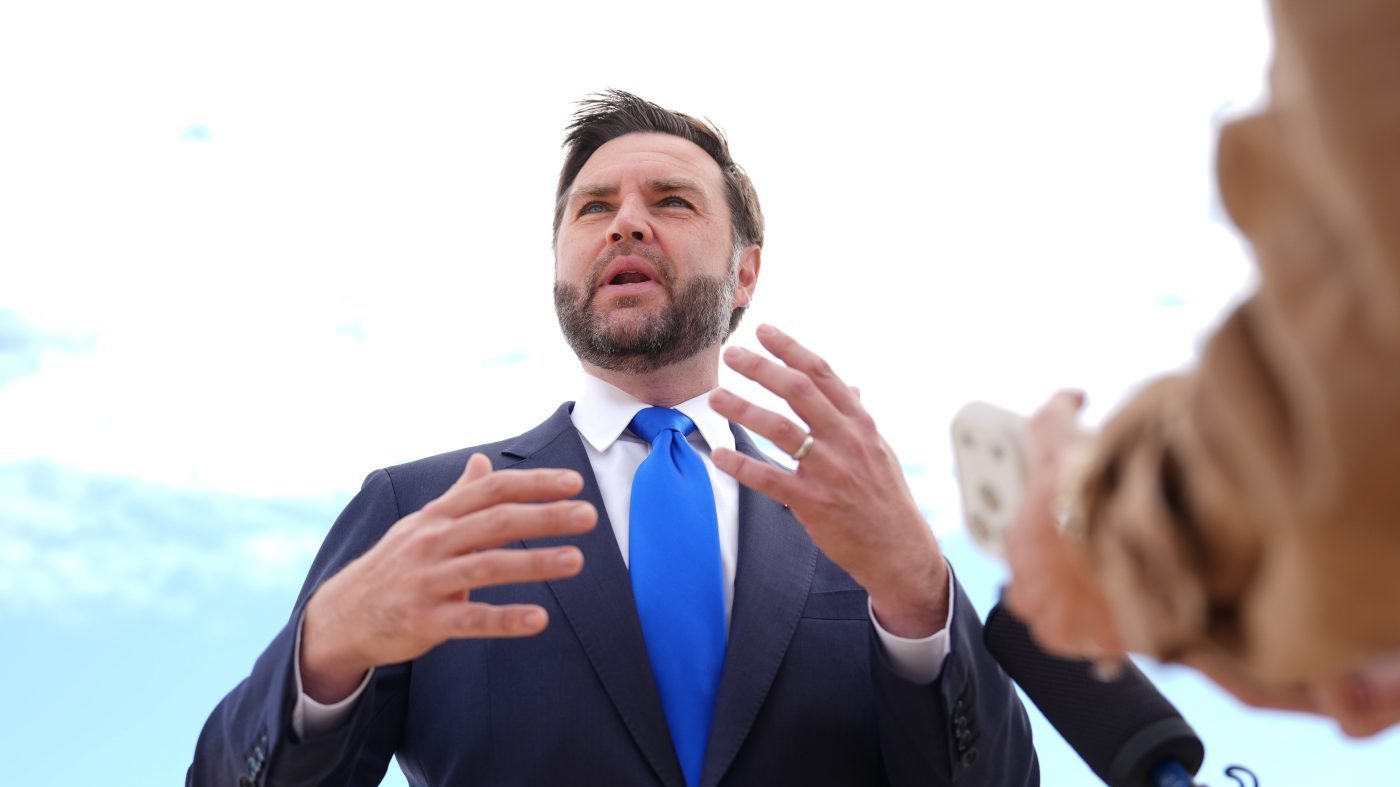
Fresh polling from CBS News and YouGov paints a striking portrait of generational economic attitudes: just 9 percent of Americans under 30 hold a “very positive” view of capitalism, a figure that contrasts sharply with older cohorts. Among those 65 and above, 33 percent express strong approval of the free-market system, while 23 percent of those aged 45–64—a group spanning Gen X and older millennials—share that sentiment. Millennials aged 30–44 fall closer to Gen Z, with only 15 percent reporting a very favorable view.
The survey, conducted August 12–14 among 2,287 U.S. adults with a margin of error of 2.6 points, also found that 41 percent of under-30 respondents hold negative views of capitalism, compared with 27 percent of seniors, 32 percent of those 45–64, and 37 percent of those 30–44.
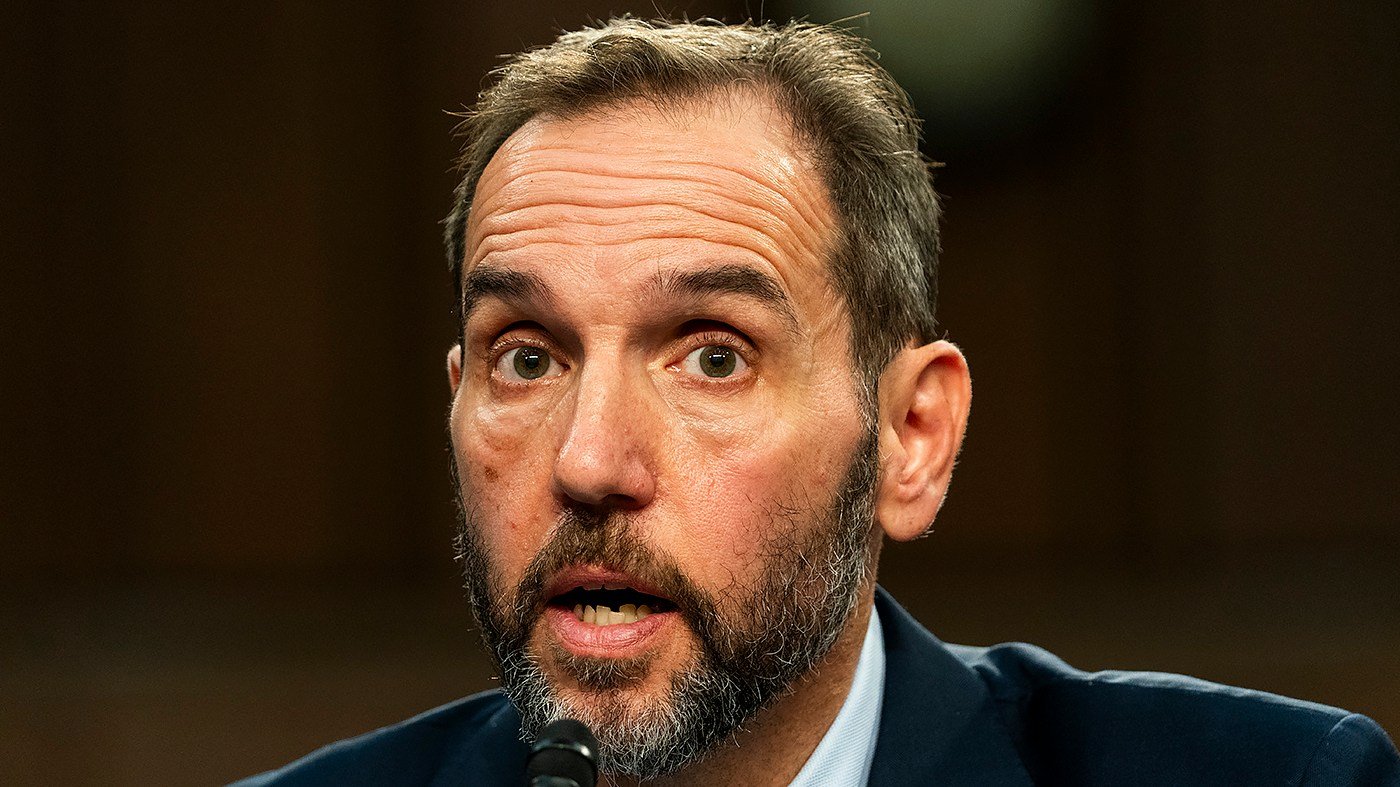
These numbers arrive as democratic socialist candidates notch victories beyond traditional progressive strongholds. In Florida’s Democratic Senate primary, state Rep. Angie Nixon defeated the more moderate Alex Vindman, a result that prompted election forecaster Sabato's Crystal Ball to shift the seat’s rating from “likely Republican” to “safe Republican,” reflecting both Nixon’s fundraising challenges and doubts about socialism’s appeal in the general election.
Ashik Siddique, national co-chair of the Democratic Socialists of America (DSA), sees the polling as validation of what the group observes on the ground. “We’ve seen that polling and it’s definitely striking, but to us, it really tracks with the experience that so many younger people have,” he told The Hill. Siddique argued that Gen Z was “not even raised with a lot of the assumptions that I think millennials were,” pointing to government spending on militarism, ICE expansion, and tax cuts for billionaires while public services are slashed.
When asked whether disliking capitalism translates into support for socialism, Siddique said, “people are way more open to socialism.” He cited a 2025 Jacobin/DSA Fund poll showing Democrats prefer democratic socialism to capitalism by a 58-point margin.
Meanwhile, the generational divide is compounded by a gender gap unique to Gen Z. According to a Catalist analysis, Vice President Kamala Harris won 63 percent of women aged 18–29 in 2024 but only 46 percent of men in that age group—a 17-point chasm, the largest across generations and election cycles tracked.
Tufts University’s Center for Information & Research on Civic Learning and Engagement (CIRCLE) found that two-thirds of young adults have shifted their political views recently. Among young women, 31 percent moved left, while 22 percent of young men did; conversely, 21 percent of young men shifted right versus 9 percent of young women. Sara Suzuki, a senior researcher at CIRCLE, noted that “party is a really big driver of whether someone shows up to the ballot box,” with cost of living a top concern for both genders.
President Trump’s approval rating among 18–29-year-olds stands at minus 45, according to a June Economist/YouGov poll, and historical midterm trends suggest Democrats could benefit among Gen Z in November. Melissa Deckman, CEO of the Public Religion Research Institute, attributes the gender split to today’s fragmented media landscape: “Algorithms send young women and young men to different sites.” This was evident in 2024 when Harris appeared on “Call Her Daddy” and Trump on podcasts like Joe Rogan’s.
As close races loom, candidates who can bridge the Gen Z gender divide may gain an edge. “Young people go to the spheres they already belong to,” Suzuki said. The CIRCLE study surveyed 5,549 adults aged 18–29 with a 2.5-point margin of error.