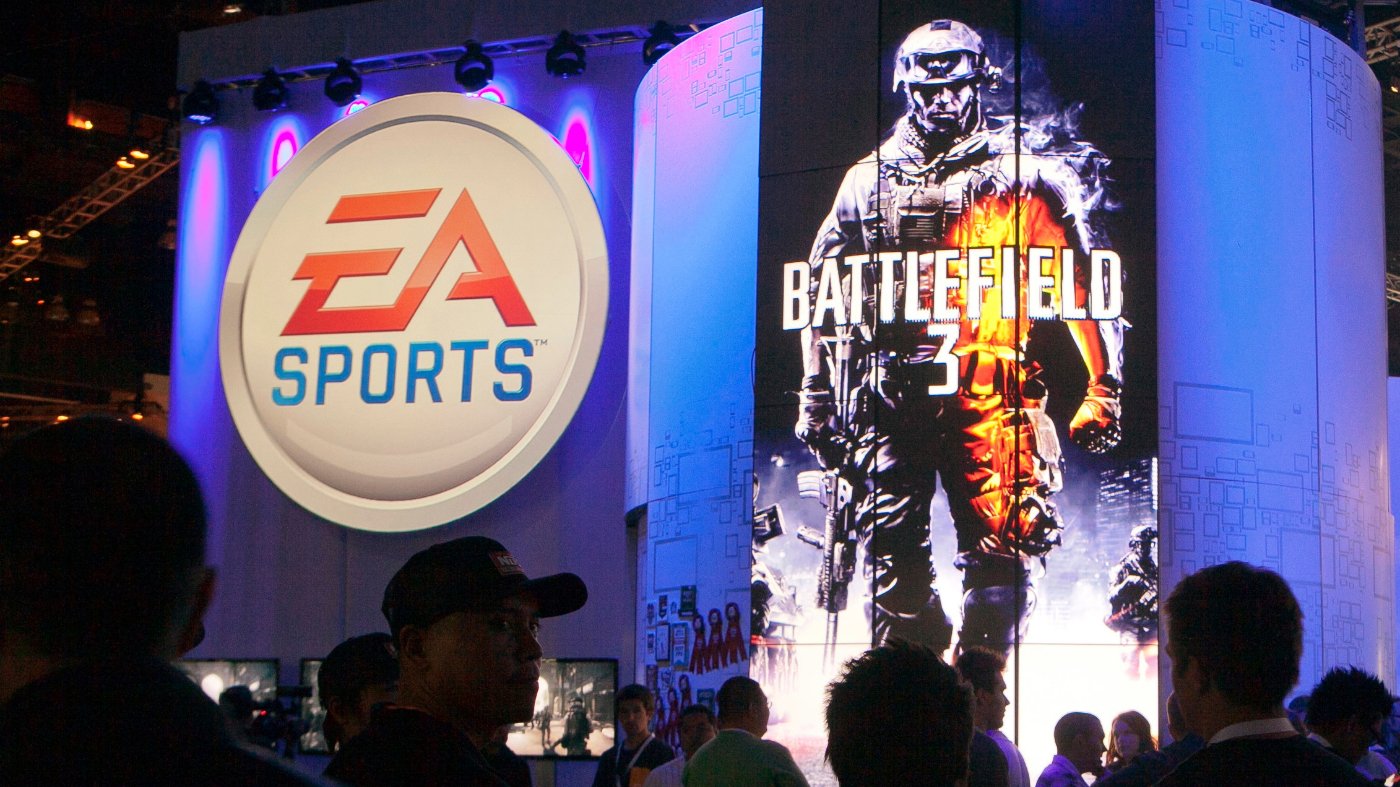
Just weeks before federal regulators are expected to rule on the proposed $55 billion acquisition of Electronic Arts by Saudi Arabia's Public Investment Fund, Silver Lake, and Affinity Partners, the gaming giant announced another round of layoffs. The cuts hit customer support, trust and safety, recruiting, and IT departments—roles often invisible to players until they vanish.
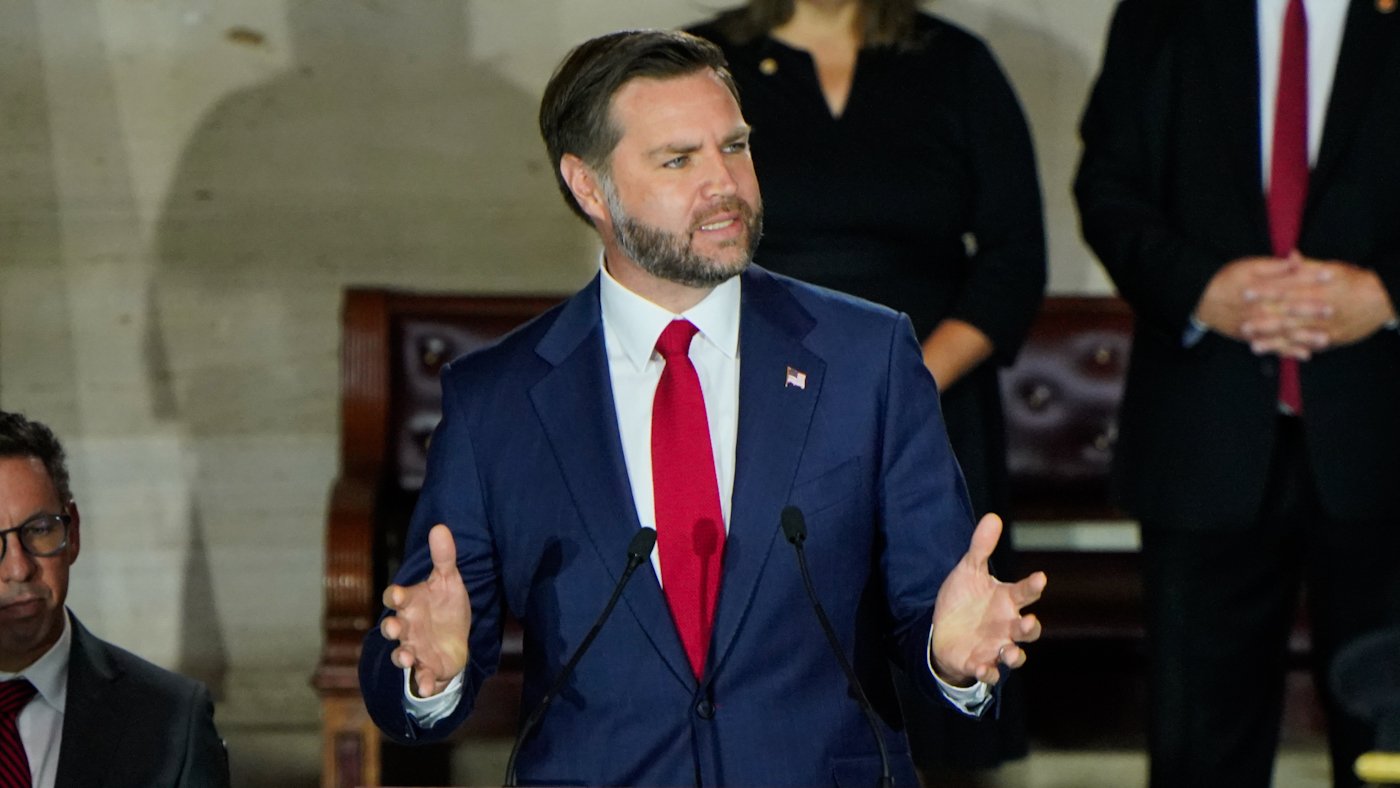
The European Union is poised to finalize terms this week, while U.S. regulators are nearing their own decision. The deal has drawn mounting opposition from nearly 100,000 gamers and a bipartisan group of lawmakers, including Senators Elizabeth Warren (D-Mass.) and Richard Blumenthal (D-Conn.), who have urged heightened scrutiny over foreign influence concerns. More than 40 House Democrats separately demanded the Federal Trade Commission and the Committee on Foreign Investment in the United States examine the deal's effects on workers, competition, and labor markets.

For the gaming industry, the story is familiar. Thousands of developers, artists, engineers, and support staff have lost jobs as publishers consolidate and restructure to improve margins. The latest EA cuts affect employees who help players resolve problems, moderate online communities, and maintain safety systems—work that, when gone, players quickly notice.
As a member of the Players Alliance, I've spent the past year talking with gamers frustrated by industry trends. Some worry about layoffs; others chafe at rising prices, subscriptions, microtransactions, and what feels like a constant push to squeeze more revenue from players. A common thread is a sense that decision-makers are increasingly distant from the communities that play their games. That sentiment has helped galvanize opposition to the EA acquisition, swelling from a small activist group to nearly 100,000 gamers nationwide.
The debate ultimately hinges on incentives. Supporters argue new ownership could bring resources and long-term stability. Regulators should weigh that. But they should also consider the track record of heavily leveraged acquisitions: returns often come from workers via layoffs and restructuring, from consumers through higher prices and aggressive monetization, and from companies prioritizing quarterly targets over product investment.
The modern gaming industry is rife with examples of firms leaning on subscriptions, premium upgrades, and microtransactions—a shift that has contributed to a perception that players are viewed as revenue opportunities rather than customers. The FTC has recently emphasized that competition policy should account for impacts on workers and labor markets, not just consumer prices. That lens is especially critical in gaming, where consolidation's effects hit employees and creative teams first.
CFIUS's role also warrants serious consideration. Congress created the committee because some transactions—especially those involving foreign government-backed entities seeking influence over major U.S. companies—demand closer look. EA may not be a defense contractor, but it's one of the world's most influential entertainment companies, with games and online communities reaching over 100 million people monthly.
Whether regulators share the concerns raised by Warren, Blumenthal, and dozens of House Democrats matters less than whether they conduct the rigorous review the public deserves. The stakes extend beyond one company and one transaction—they touch on consolidation, labor conditions, consumer welfare, and the growing role of financial institutions in shaping modern cultural life.
I don't expect regulators to decide based on what gamers want. I do expect them to ask whether this acquisition will make the industry's problems better or worse. Given continuing layoffs, growing consolidation, and mounting pressure on workers and consumers, it's hard to see another massive private-equity-backed acquisition as the answer. The FTC and CFIUS should approach this transaction with skepticism—and if the evidence points where many gamers, workers, and lawmakers believe it does, they should reject it.