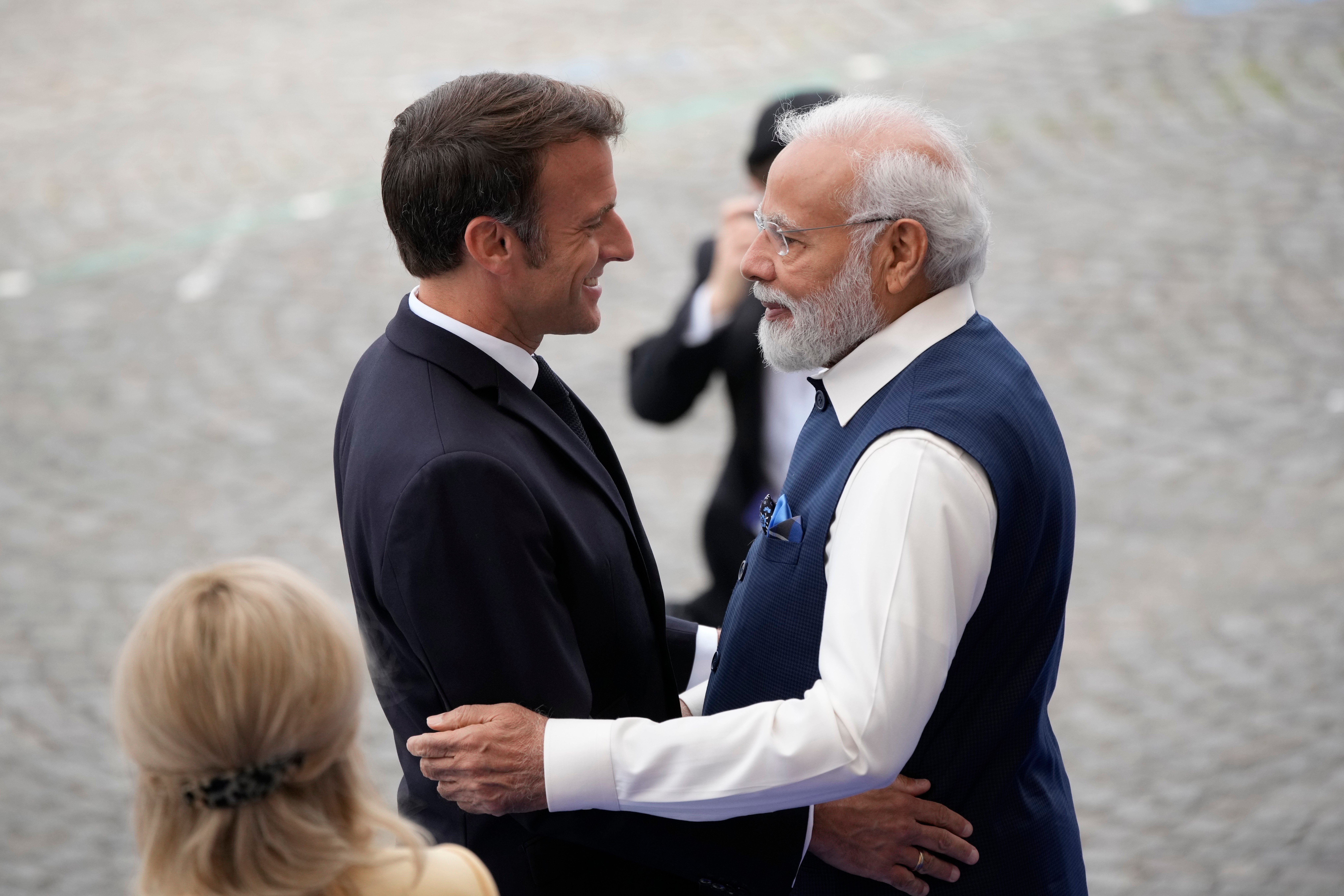
France and India, despite their divergent geopolitical alignments, have forged a deepening defense and technology partnership that reflects their shared ambition to act as independent poles in a multipolar world. While France remains a NATO member and India has long avoided formal alliances, both nations have consistently prioritized strategic autonomy in their national security postures.
A History of Independent Postures
France's insistence on maintaining an independent nuclear deterrent, famously refusing to join NATO's nuclear planning group, mirrors India's own nuclear independence and its historical leadership of the non-aligned movement. Both countries have resisted entanglements that would compromise their sovereign decision-making. This common outlook has been reinforced by their experience with Washington's shifting policies.
From 1998 to the Present: A Military Partnership Takes Shape
The pivotal moment came in 1998, when India conducted a series of nuclear tests and the United States imposed sanctions. France notably declined to follow suit, instead upgrading its strategic relationship with New Delhi. Since then, bilateral military cooperation has expanded dramatically: joint naval exercises since 2001, air force drills since 2003, and army maneuvers since 2011. India has also participated in French-led multinational exercises like Orion.
Arms sales have been a cornerstone of the relationship. India purchased 36 Rafale fighters in 2016, followed by 26 Rafale-M for its carriers in 2025 and an additional 114 Rafales in 2026. Earlier, New Delhi acquired designs for six Scorpene submarines, built domestically, and has since ordered three more from France. Last year, the two nations signed a broad defense research agreement covering areas like AI, cybersecurity, and underwater technologies, building on the 2023 Horizon 2047 strategic plan.
Shared Anxieties About Washington
Both France and India have reason to be wary of American reliability. France has faced repeated tariff threats from Washington, including a 100% tariff on its wine industry. India, a major importer of Russian oil, is targeted by the Senate-passed Graham Sanctioning Russia Act, which would impose a 100% tariff on such purchases. Additionally, France lost a major submarine contract with Australia due to the AUKUS pact, while India has long resented Washington's reliance on Pakistan as an intermediary with Iran.
These grievances have spurred Paris and New Delhi to hedge against future US policies. France is even extending its nuclear umbrella to European partners, a move that should complement, not replace, NATO's deterrence. Similarly, India's growing role in Asia should align with US efforts to counter China, rather than diverge from them.
The flourishing French-Indian partnership is a positive development, but it must not come at the cost of faith in American reliability. Both nations would be better served by working alongside Washington where interests align, even as they maintain their independent postures.