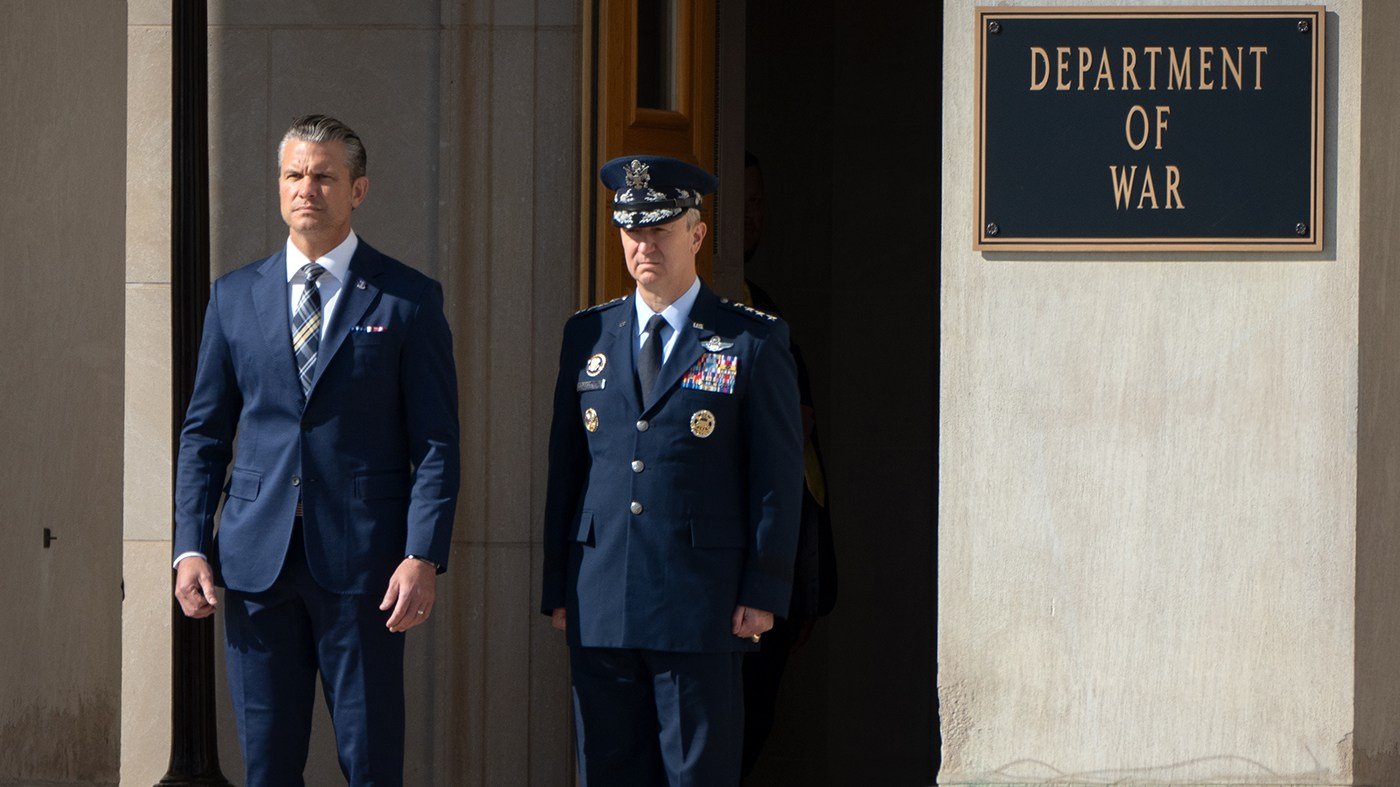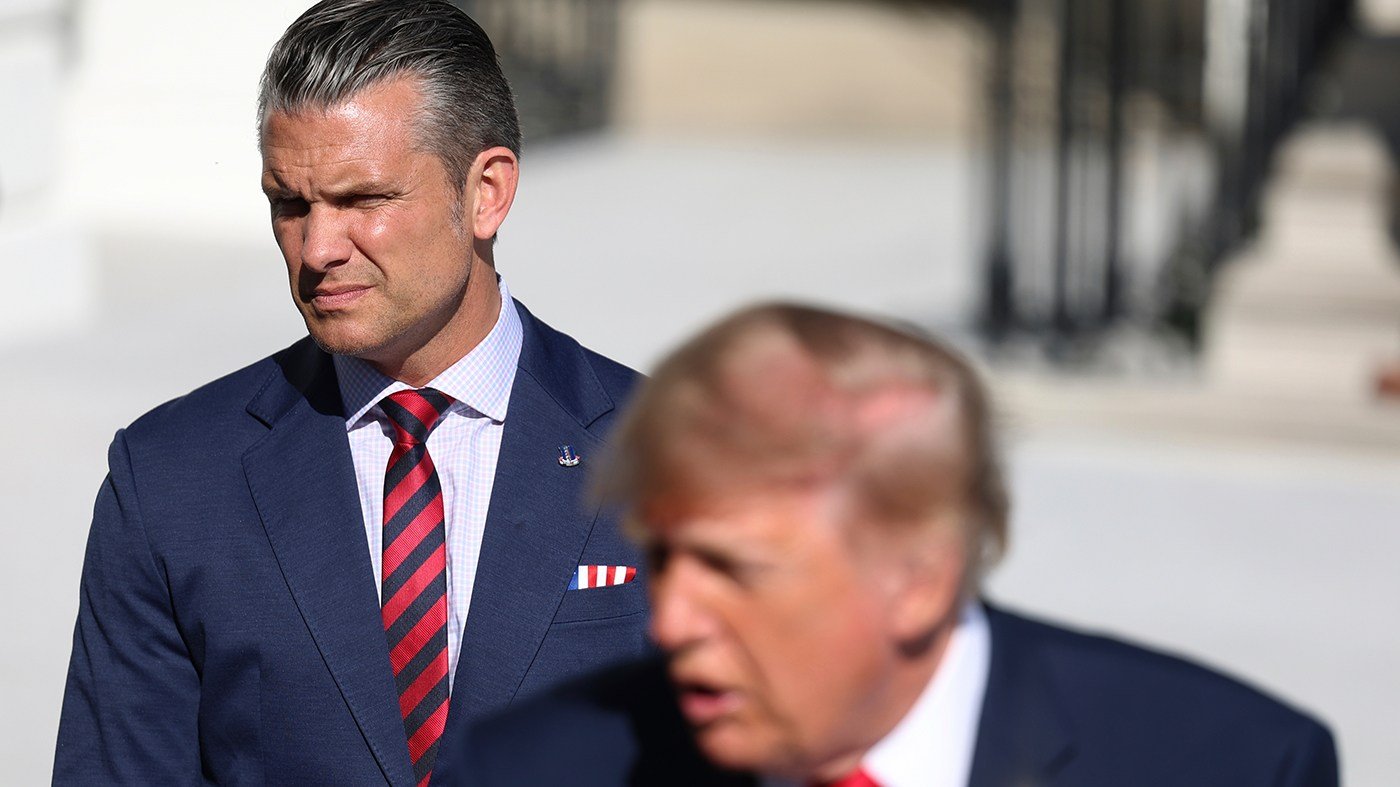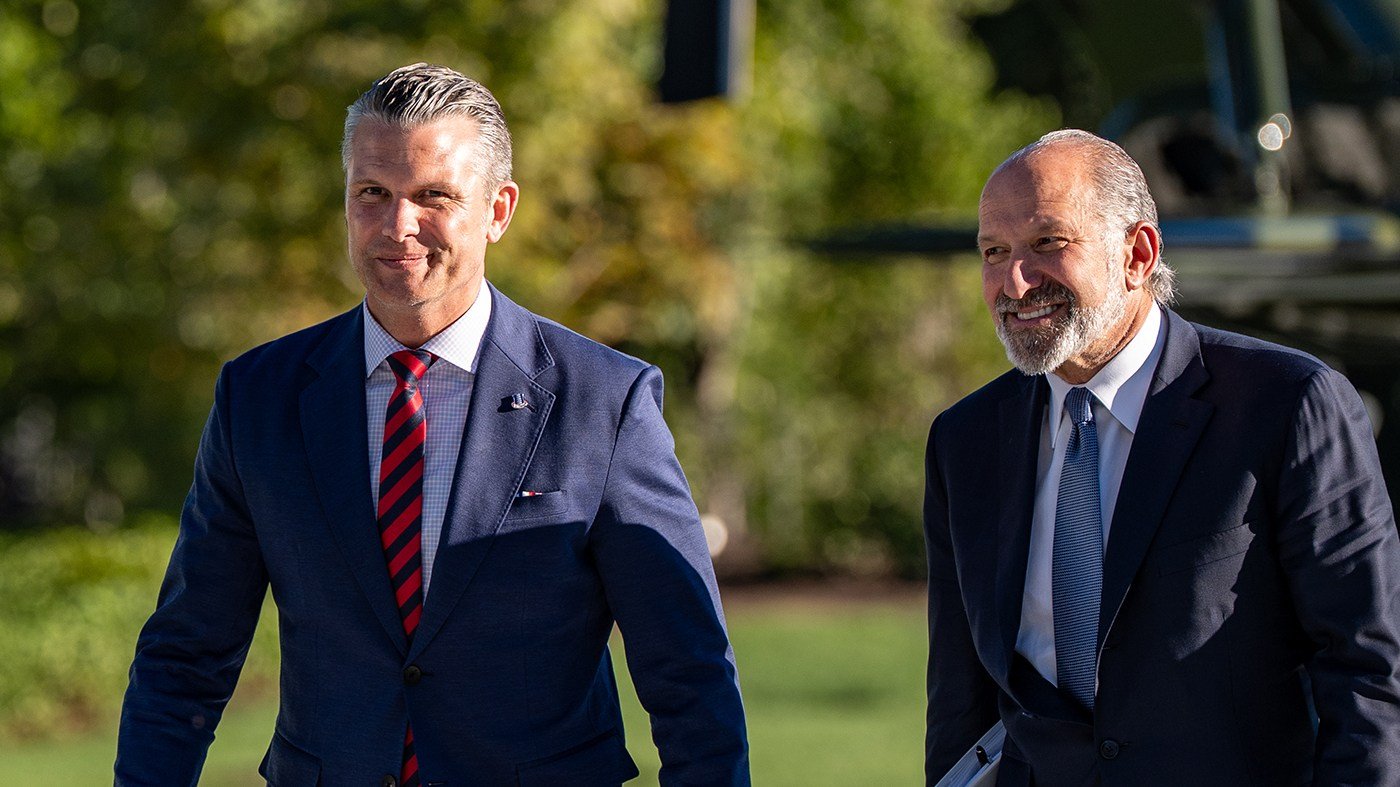
Senate Democrats are quietly floating the removal of Defense Secretary Pete Hegseth after the Nov. 3 election as a condition for cooperating on defense legislation in the lame-duck session, and they may have some Republican support for a leadership shake-up at the Pentagon, according to Senate sources.
Hegseth has overseen record recruiting numbers and enjoys strong backing from President Trump, who has praised him as a military leader from “central casting.” But some GOP senators have grown uneasy with Hegseth’s decisions, particularly his dismissal of respected military figures such as Army Secretary Dan Driscoll, Army Chief of Staff Randy George, Navy Secretary John Phelan, and Gen. Chris Donahue, the top U.S. commander in Europe.
Democrats view Hegseth’s tenure as a disaster and are seeking leverage to push him out after the midterms, much like they did with former Homeland Security Secretary Kristi Noem during the funding standoff earlier this year. Trump eventually fired Noem after key Republicans like Sen. John Kennedy (R-La.) turned against her.
Now Democrats hold significant cards: they are threatening to block emergency defense funding requested by the White House in June, as well as the regular defense appropriations bill that expires Dec. 11. Sen. Tim Kaine (D-Va.), a member of the Senate Armed Services Committee, said Hegseth’s resignation could ease the way for bipartisan cooperation on must-pass measures like the National Defense Authorization Act and the annual defense spending bill.
“My own view is that if the war is over, then the opportunity for bipartisanship on defense authorization and defense appropriations is there. I think if the war’s not over it’s going to be extremely difficult,” said Sen. Brian Schatz (D-Hawaii), who is set to become the next Democratic whip. He spoke personally about the prospects for a deal.
Republican sources say Democrats have privately floated Hegseth’s ouster as a way to unlock cooperation on filling key vacancies, including the Army and Navy secretary posts left open by the departures of Driscoll and Phelan. Democrats are also threatening to block a waiver for Trump’s Navy secretary nominee, Hung Cao, who needs special congressional approval because federal law requires a seven-year waiting period for former military officers to take top Pentagon civilian roles.
Some Senate Republicans doubt Trump would agree to push Hegseth out to win Democratic support on defense bills. “That’s a bridge too far,” warned one GOP senator, speaking anonymously about the looming negotiations.
A senior Pentagon official pushed back against the criticism, touting Hegseth’s record: “Secretary Hegseth has been a transformative leader for the Department of War and, at President Trump’s direction, has ushered in a new era of Peace Through Strength. Standards and merit are back, our arsenal is stronger than ever before, and morale and recruitment across every service are at all-time highs.” The official added that the entire department is united behind Hegseth’s vision.
But questions are growing on Capitol Hill about whether Trump and Hegseth are fully in sync. Trump recently canceled Hegseth’s plan to livestream the execution of Maj. Nidal Hasan, the Fort Hood shooter. There is also confusion over whether Hegseth or other Pentagon officials ordered a temporary halt to intelligence sharing with Ukraine or restricted Ukraine’s access to the Starshield satellite internet network without Trump’s approval. Four Republican senators — Susan Collins (Maine), John Cornyn (Texas), Thom Tillis (N.C.), and Lisa Murkowski (Alaska) — signed a bipartisan letter demanding the Defense Department inspector general investigate whether any officials “directed” or “authorized” such changes.
The standoff over Hegseth’s future is set to collide with broader Pentagon funding battles and Ukraine Starlink cutoff probes, making the lame-duck session a high-stakes test of Trump’s influence and Democratic leverage.