Florida is moving to dismantle longstanding school vaccination requirements, with a proposed rule from the state's Department of Health that would allow children to attend public and private schools and daycare centers without receiving four specific vaccines: hepatitis B, varicella (chickenpox), Haemophilus influenzae type b (Hib), and pneumococcal conjugate vaccine.
The proposal, published Monday, also seeks to broaden the scope of religious exemptions. Currently, parents can only opt out if immunization conflicts with their "religious tenets and practices." The new rule would permit exemptions based on "any moral or ethical beliefs," and would also allow parents and college students to refuse to have their vaccination records shared with a statewide database.
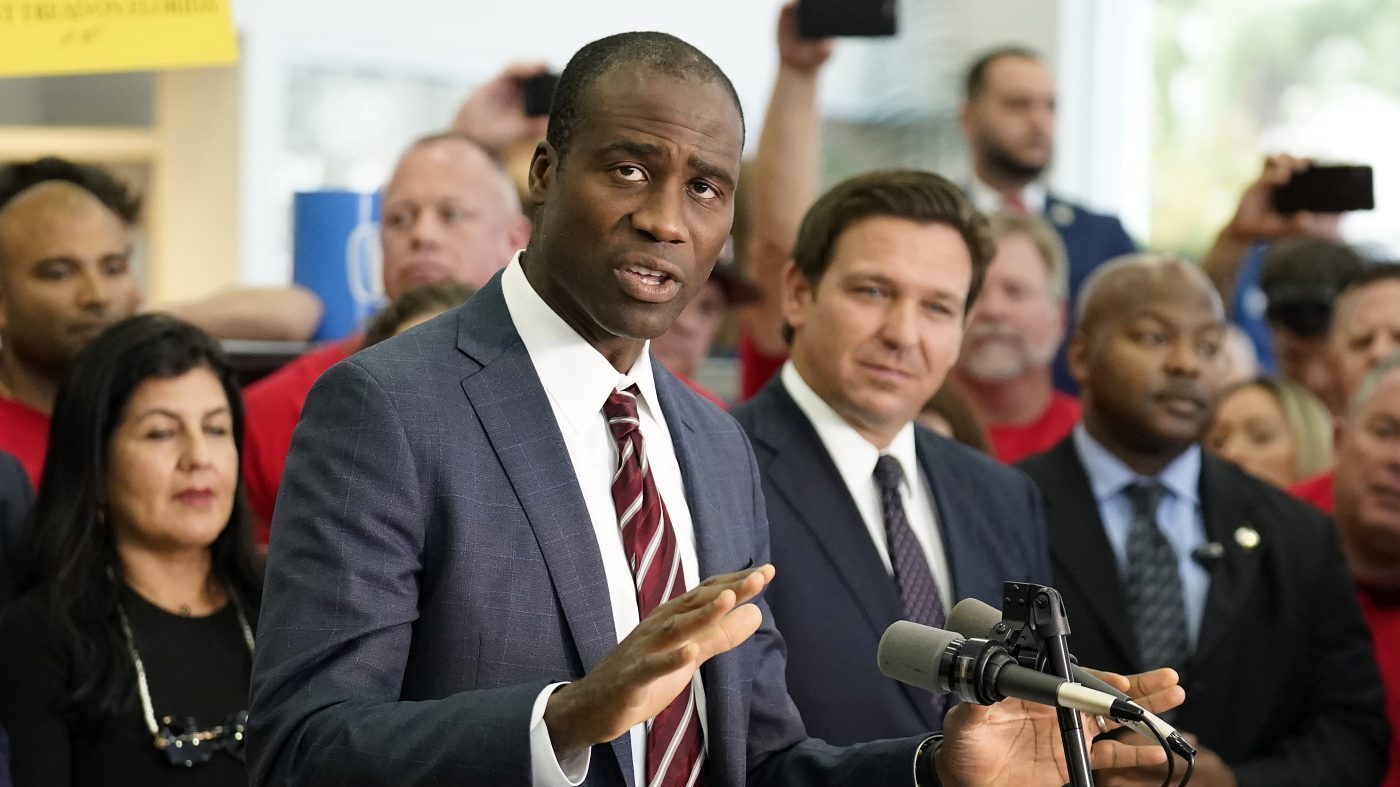
This action follows a year-long campaign by Florida Surgeon General Joseph Ladapo, a vocal vaccine skeptic, who last year declared his intention to eliminate "all" vaccine requirements, calling them "wrong and drips with disdain and slavery." The proposed rule is the latest in a series of state-level efforts to loosen immunization mandates.
Last month, Florida Attorney General James Uthmeier (R) threatened to withhold scholarships and vouchers from private Catholic schools unless they allowed religious exemptions from vaccine requirements. In a letter to the state's Conference of Catholic Bishops, Uthmeier, who is Catholic, argued that church teachings do not compel schools to require vaccines derived from aborted fetal cell lines.
The bishops, however, pushed back in an August 7 letter, asserting that there is no religious basis for vaccine refusal and that the church's catechism treats health as a gift from God. They accused Uthmeier of overstepping his authority by attempting to dictate religious interpretation. "Any insinuation that a government official can dictate to the Catholic Church (or any religion) how to apply her tenets and dogma, violates well-established constitutional religious freedom rights," wrote Michael B. Sheedy, the conference's executive director.
The proposed rule only affects vaccines added by DOH regulation, not those mandated by state law, such as polio, measles, and tetanus. Changing those would require legislative action, and no such bills have been introduced. The rule is open for public comment until September 14.
The timing is notable: it comes just one day after GOP gubernatorial candidate Rep. Byron Donalds said on "Face the Nation" that he would "study" and "really engage" before deciding on school mandates for polio and measles. Donalds also claimed, without evidence, that the surge in measles cases is due to "rampant illegal immigration."
Nationally, measles cases have reached a 35-year high, with Florida reporting 142 cases, according to the CDC. Florida's vaccination rate for measles is 88.9%, below the 95% threshold needed for herd immunity. Public health experts warn that reducing vaccine requirements could exacerbate outbreaks, especially as the Trump administration pushes to overhaul the childhood vaccine schedule.
While President Trump has previously praised certain vaccines—calling the polio vaccine "pure and simple work"—his administration's broader vaccine policies have drawn criticism from pediatricians. The Florida proposal is likely to intensify the debate over vaccine mandates and religious liberty as the 2026 midterm elections approach.