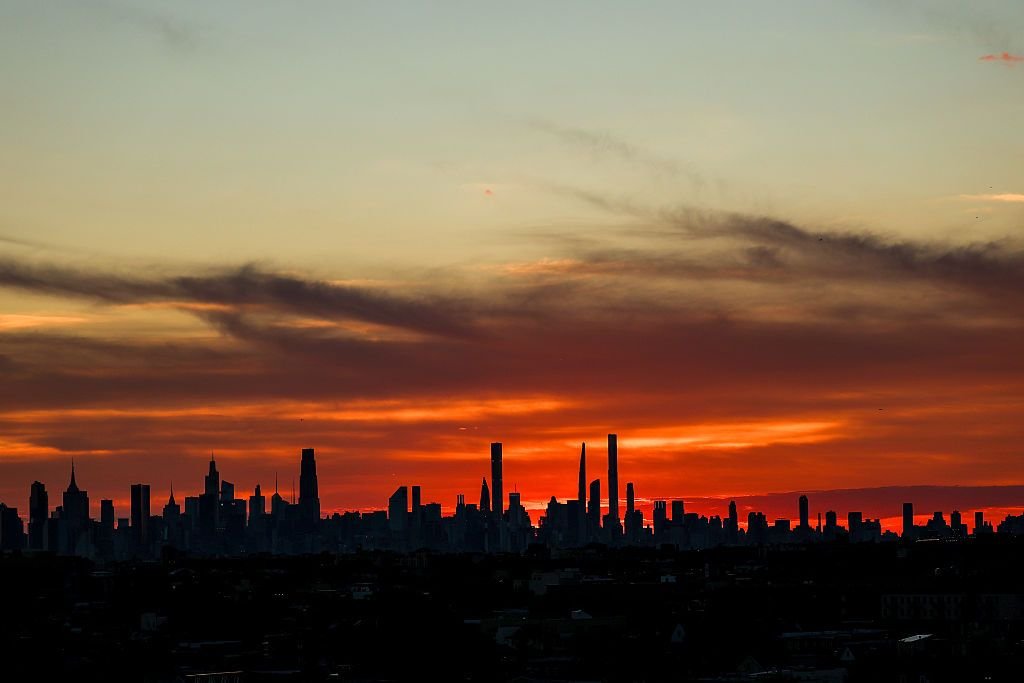
As summer officially fades, a familiar seasonal milestone is hitting cities across the United States: the last sunset at or after 7 p.m. until next spring. For many, this marks the end of long evening light and the beginning of shorter, darker days.
According to an analysis by Nexstar of more than 60 U.S. cities, seven have already seen their sunsets drop to the 6 o'clock hour, and roughly a dozen more will cross that threshold this week. The shift is part of the natural progression toward the winter solstice, when daylight is at its minimum.
The change is particularly noticeable for those who enjoy evening outdoor activities or simply prefer more daylight after work. The loss of 7 p.m. sunsets is a clear signal that the seasons are turning, and it often prompts discussions about the shrinking daylight and its effects on daily routines.
Permanent daylight saving time wouldn't help
Some lawmakers and industry groups have pushed for making daylight saving time permanent, arguing that it would provide more evening daylight year-round. However, even if that change were enacted, it would not prevent the sun from setting before 7 p.m. in many locations during the depths of winter. In fact, under permanent daylight saving time, some northern cities could see sunrises after 9 a.m., which has raised concerns about morning commutes and schoolchildren heading to school in the dark.
The debate has gained traction in recent years, with the golf industry and other business interests backing the move, while critics point to potential health and safety issues.
What to expect in the coming weeks
For cities like New York, Chicago, and Denver, the final 7 p.m. sunsets occur this week. By the end of September, most of the country will have said goodbye to 7 p.m. sunsets until late March or April. The daylight loss accelerates around the equinox, making the change feel more abrupt.
While the shift is predictable, it still catches many off guard. Local officials and safety advocates often remind drivers to be extra cautious during dusk, as visibility decreases and pedestrian accidents tend to rise.
For those who mourn the loss of evening light, there is some consolation: the sun will begin setting later again after the winter solstice in December, though it will take several weeks for the change to become noticeable. Until then, the 5 p.m. and 6 p.m. sunsets are a reminder that winter is on the horizon.