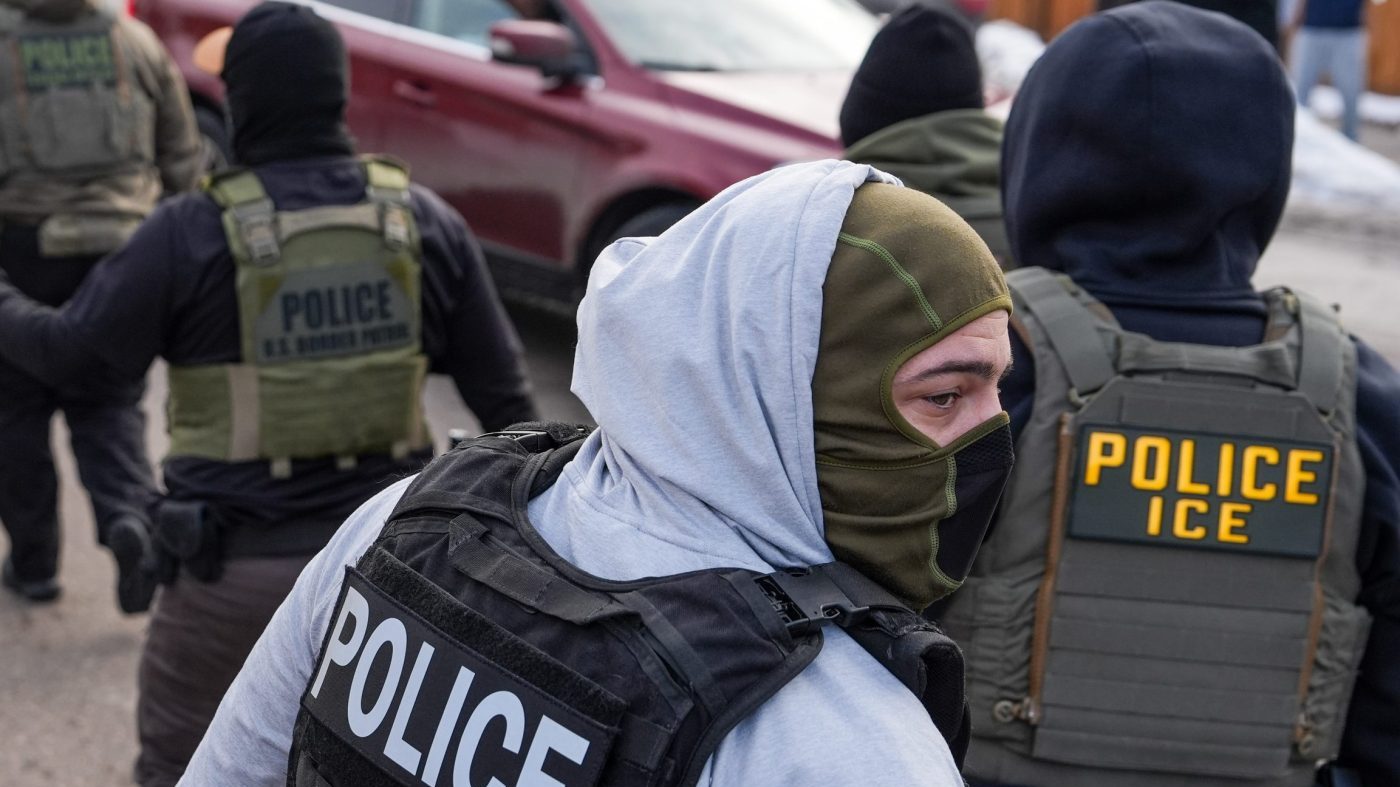
A federal judge in Philadelphia issued a temporary restraining order Thursday, preventing the city from enforcing a ban on federal law enforcement officers wearing masks while on duty. The ruling, by U.S. District Judge Chad Kenney, marks the latest legal setback for Democratic-led cities attempting to limit the actions of federal agents, particularly those involved in immigration enforcement.
The Justice Department had sued Philadelphia in mid-June, arguing the city ordinance was a "blatantly unconstitutional" attempt to dictate how federal officers perform their duties. The DOJ contended the law would "endanger officers and reduce operational effectiveness" by forcing them to reveal their identities in potentially hostile situations.
Judge Cites Supremacy Clause
Judge Kenney, a Trump appointee, sided with the federal government, finding that the city's law likely conflicts with the Constitution's Supremacy Clause, which establishes federal law as supreme over state and local statutes. In his 30-page order, Kenney wrote that the Philadelphia City Council "attempted to sidestep the Constitution's clear mandate" when it passed the measure in late April. He barred the city from implementing or enforcing the law against federal agencies and officers while the legal challenge proceeds.
The ordinance, part of a broader "ICE Out" legislative package, prohibits local, state, and federal law enforcement from wearing masks or face coverings, concealing their badges, or using unmarked vehicles during public interactions. It also requires officers to clearly identify themselves. The package was aimed at curbing the activities of Immigration and Customs Enforcement (ICE) officers involved in the Trump administration's immigration crackdown.
Mayor Declined to Sign
Philadelphia Mayor Cherelle Parker, a Democrat, declined to sign the bill, citing advice from the city solicitor's office that it presented "significant legal problems." Kenney praised Parker for acting "with civic wisdom and courage to stand up for the Constitution." Because Parker did not veto the legislation, it became law in early May without her signature and was set to take effect July 7—a date now halted by the court's order.
The city of Philadelphia did not immediately respond to requests for comment. The DOJ also declined to comment on the ruling.
Broader Legal Pattern
The decision is part of a broader pattern: the Trump administration has successfully challenged similar laws in Democratic-led jurisdictions. Just this week, a federal judge in Virginia temporarily blocked a nearly identical state law hours before it was set to go into effect. These rulings underscore ongoing tensions between local efforts to limit federal immigration enforcement and the administration's push to protect its officers' operational flexibility.
The Philadelphia case also highlights the constitutional stakes. The Supremacy Clause has long been a cornerstone of federal authority, and Kenney's order reinforces that local governments cannot regulate the conduct of federal agents without facing judicial scrutiny. For observers tracking the interplay between state and federal power, the decision serves as a reminder of the limits of local ordinances in the face of federal operations.
As legal proceedings continue, the temporary block ensures that federal officers in Philadelphia can continue to wear masks and use unmarked vehicles while on duty—at least for now. The outcome could set a precedent for similar disputes in other cities, particularly as immigration enforcement remains a flashpoint in national politics.