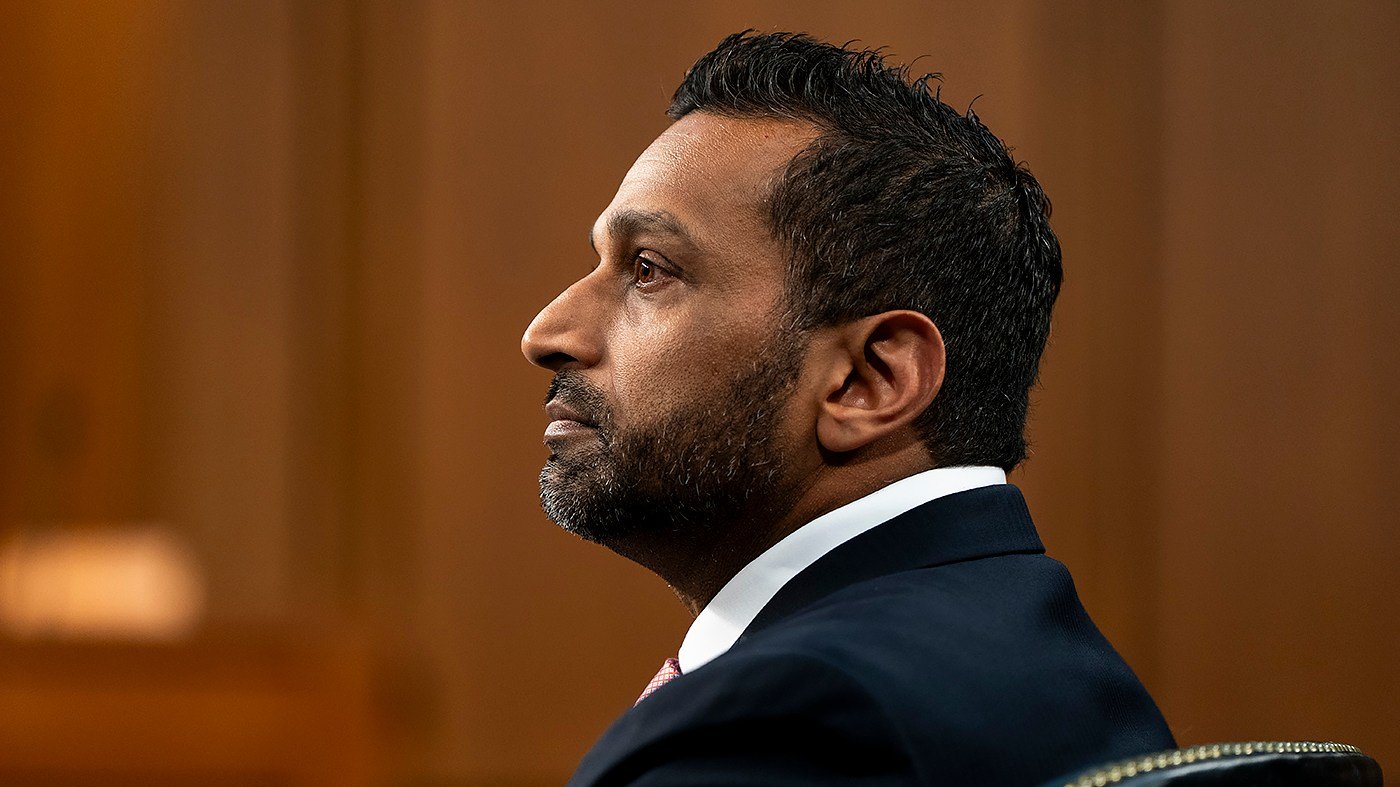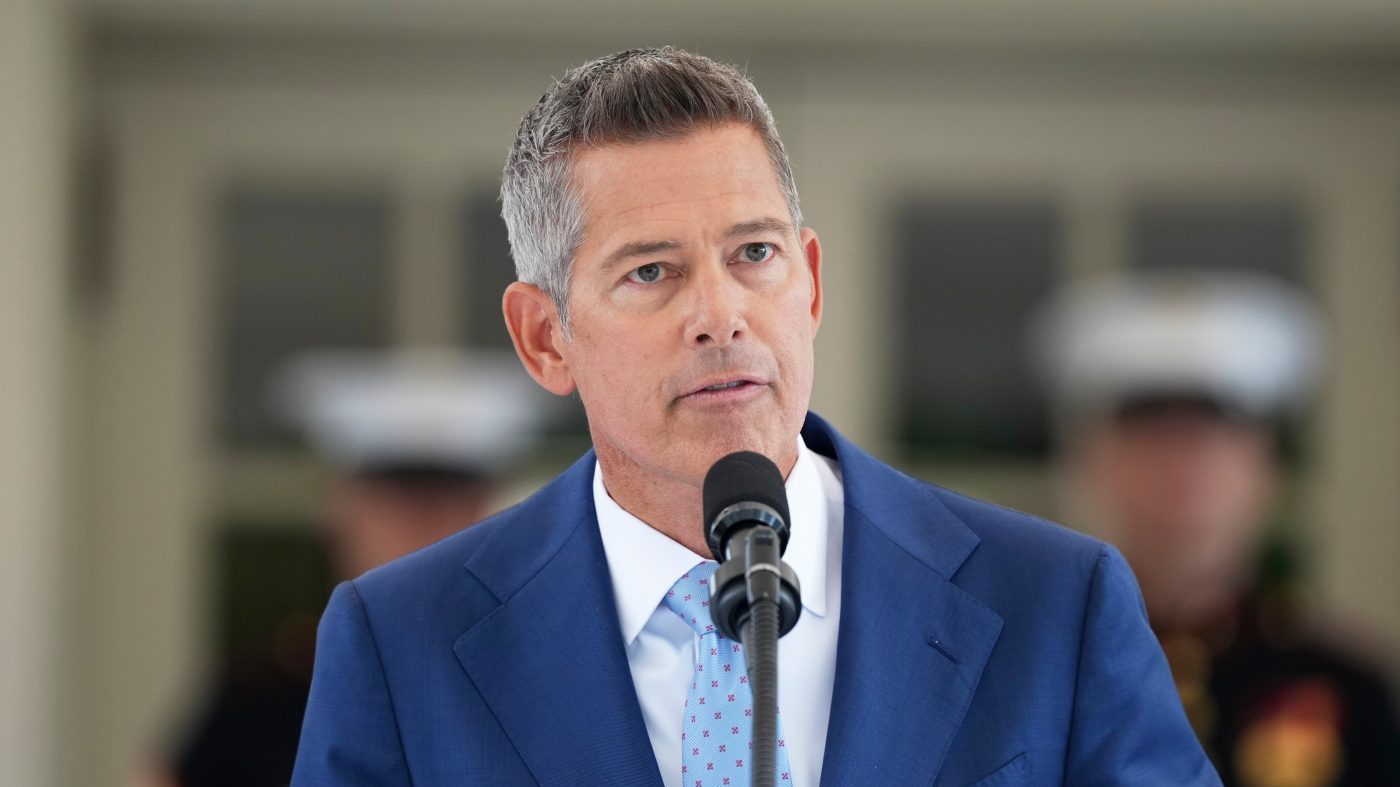
Transportation Secretary Sean Duffy announced Monday that his department is immediately shutting down more than 110 driving schools that issued commercial driver's licenses to individuals who failed English language proficiency (ELP) tests. The Department of Transportation (DOT) said the schools had certified over 5,000 drivers who did not meet federal language standards.
The crackdown follows an investigation by the Federal Motor Carrier Safety Administration (FMCSA), which cross-referenced roadside inspection records of commercial drivers cited for language deficiencies with the Training Provider Registry. The agency identified training providers that "repeatedly certified drivers who did not meet federal qualification standards," according to Monday's DOT release.
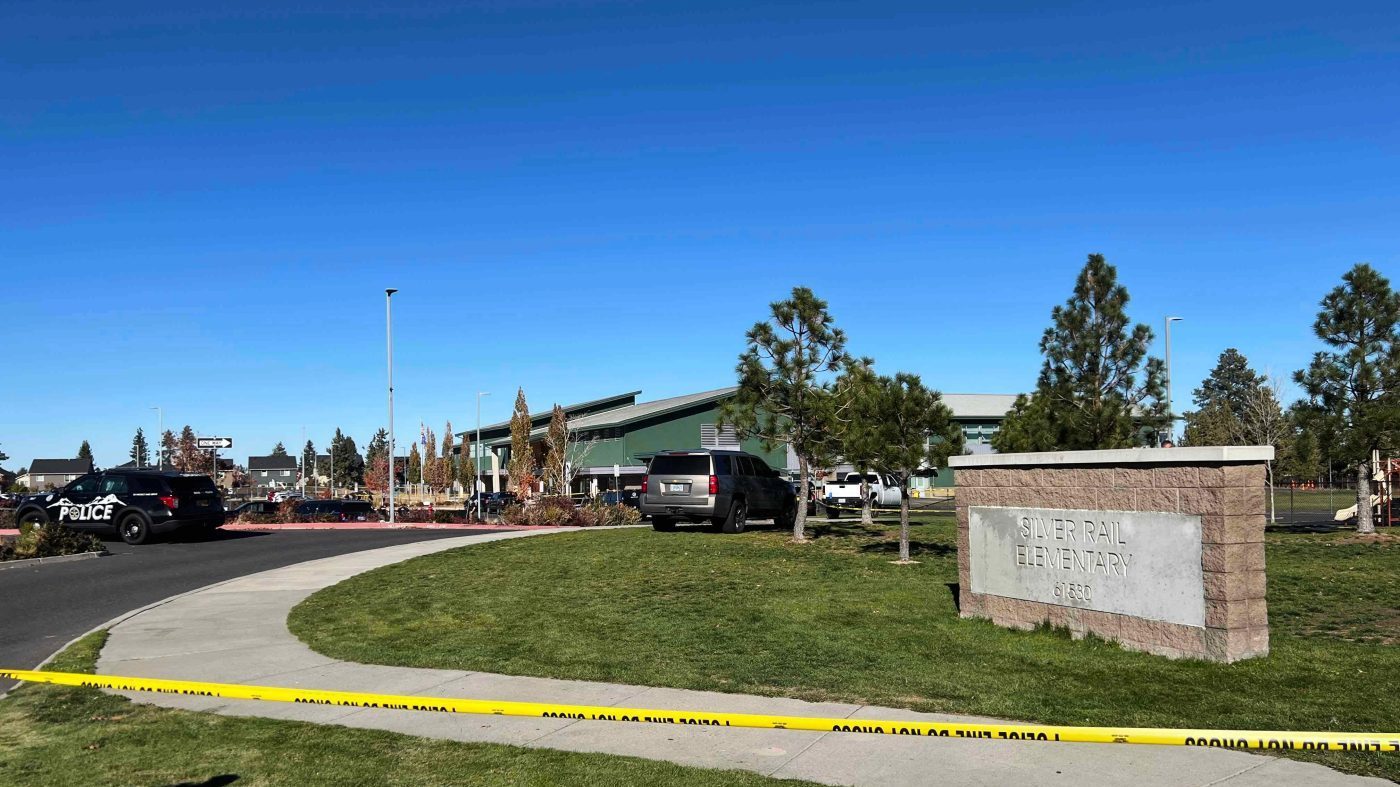
As part of the action, the FMCSA is executing the emergency removal of these providers from the registry, requiring them to "immediately cease all operations as a training provider, including administering curricula, utilizing facilities for instruction, and conducting behind-the-wheel training." The agency is also proposing to shut down an additional 160-plus driving schools accused of non-compliance with ELP regulations.
In addition to the school closures, the DOT is launching a nationwide audit of third-party commercial driver's license (CDL) skills testers and state oversight of those testers. The move comes after the Trump administration reinstated English proficiency requirements for commercial truck drivers, reversing an Obama-era policy. President Trump signed an executive order in April 2025 mandating English proficiency, and Duffy issued guidance that same month to rescind the previous waiver. Earlier this month, the FMCSA published a notice of proposed rulemaking to codify the ELP enforcement guidelines, opening the rule for public comment.
Duffy framed the action as part of a broader effort to strengthen road safety and remove "dangerous foreign drivers" from the trucking industry. "I am so grateful for President Trump raising the alarm on this issue, and to Vice President Vance for leading the charge to crack down on fraud nationwide," he said. "From states failing to follow the law to shady training schools and illicit companies, together we will tackle every link in the chain." He also told reporters that undocumented migrants who don't speak English "don't deserve to be in a big rig driving on American roads endangering American citizens."
The DOT is not acting alone. The Department of Homeland Security (DHS) said its investigations unit will conduct a synchronized sweep of more than 200 driving schools across 23 states, focusing on CDL fraud, unauthorized employment, identity-document fraud, and financial crimes. DHS Secretary Markwayne Mullin said the partnership with the DOT "will help root out CDL fraud" so that undocumented migrants "are no longer able to obtain" commercial licenses.
This coordinated federal action signals a significant escalation in the administration's enforcement of language requirements for commercial drivers. The FMCSA's authority to revoke training provider status is a powerful tool, and the proposed rule could make these standards permanent. The moves come as the administration has been tightening immigration and transportation policies, with recent actions including restrictions on foreign technology and trade tensions with Canada.
Driving schools affected by the emergency removal have the right to appeal, but the DOT's release indicates that the agency will move quickly to ensure compliance. The nationwide audit of third-party testers is expected to uncover further violations, and officials have signaled that more actions are likely.
For now, the immediate impact is on the 110+ schools that must cease operations, and the thousands of drivers who obtained licenses through them may face re-examination. The administration's message is clear: English proficiency is a non-negotiable requirement for operating commercial vehicles on U.S. roads.