The Trump administration's decision to scrap the so-called 'anti-weaponization' fund hasn't closed the door on payouts for those who claim they were wronged by the government. Instead, claimants are now exploring the Federal Tort Claims Act (FTCA) as a pathway to access federal money, raising new questions about oversight and potential abuse.
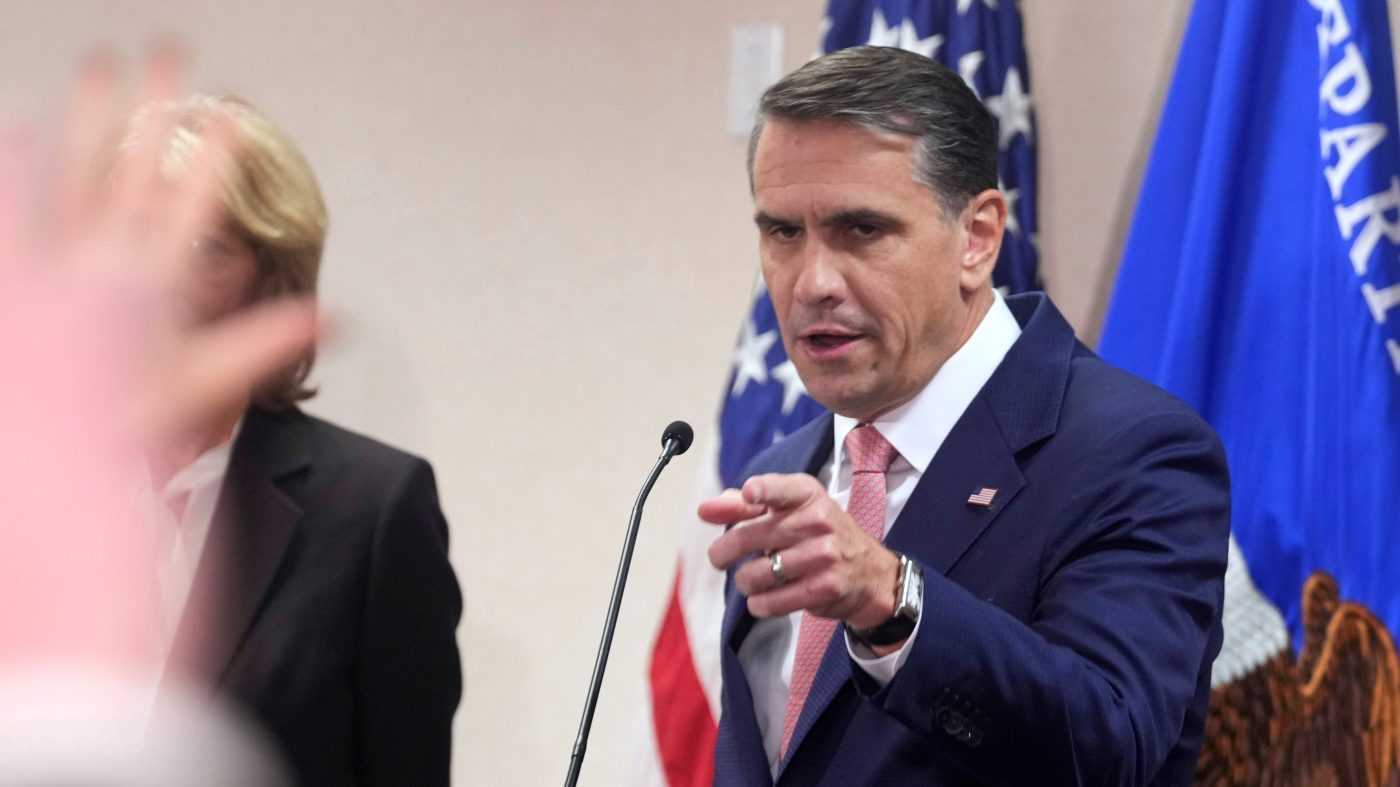
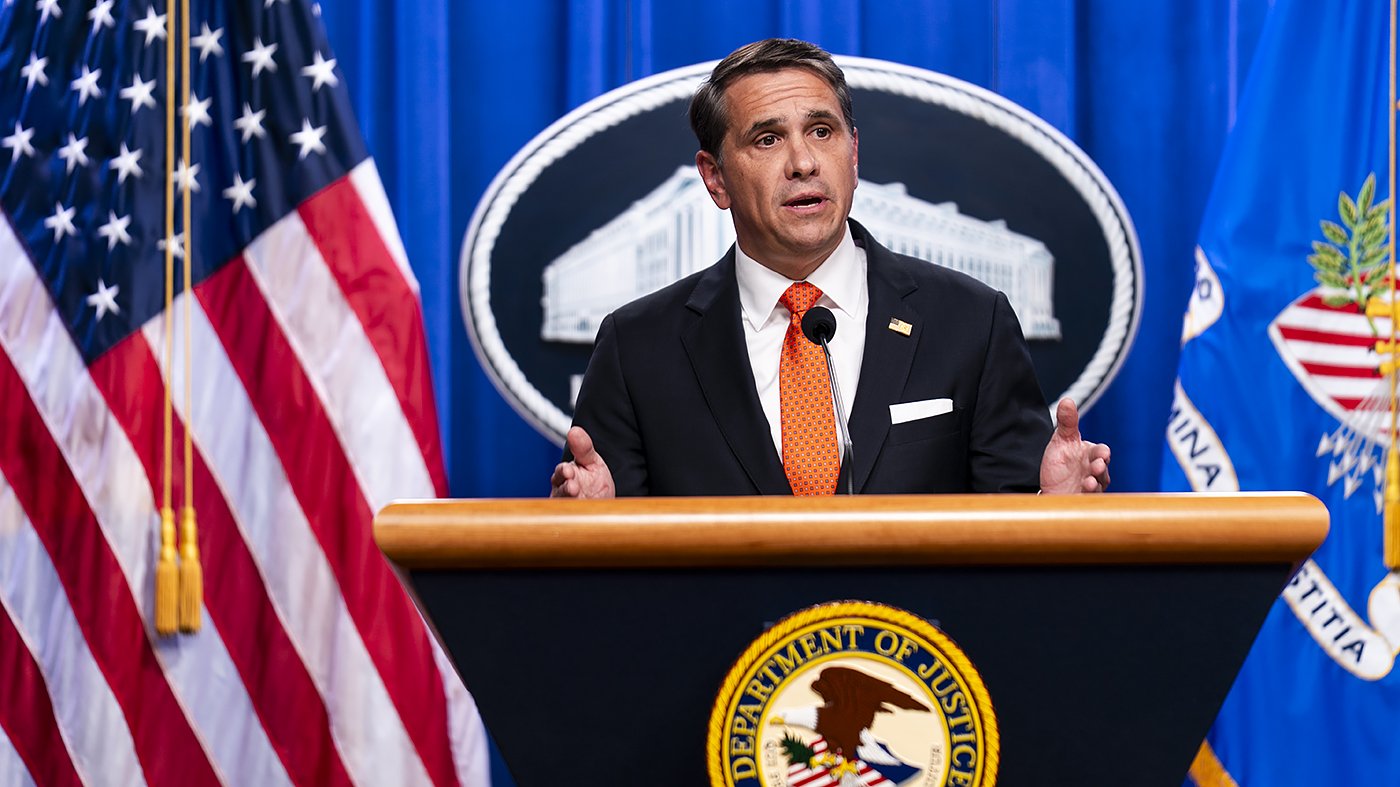
Acting Attorney General Todd Blanche announced the fund would 'not be moving forward,' but Sen. Lindsey Graham (R-S.C.) quickly pointed out that existing legal avenues remain open. 'We have a legal system already in place for people to make claims against the government. That does not need to be reinvented,' Graham wrote on X, encouraging claimants to pursue FTCA settlements.
The U.S. government's Judgment Fund, an unlimited pot for settling claims, is now the target of many Jan. 6 defendants and others alleging political weaponization. Michael Caputo, a former HHS spokesperson under Trump, was among the first to apply for compensation from the now-defunct fund, citing victimization from the Crossfire Hurricane investigation. 'The anti-weaponization fund was a pleasant surprise, but the Republicans in the Senate, who decided that my family did not deserve restitution, will not stop me,' Caputo said, noting he is now pursuing an FTCA claim. 'It's not just a beginning for me, it's a beginning for everybody whose life was destroyed by political weaponization.'
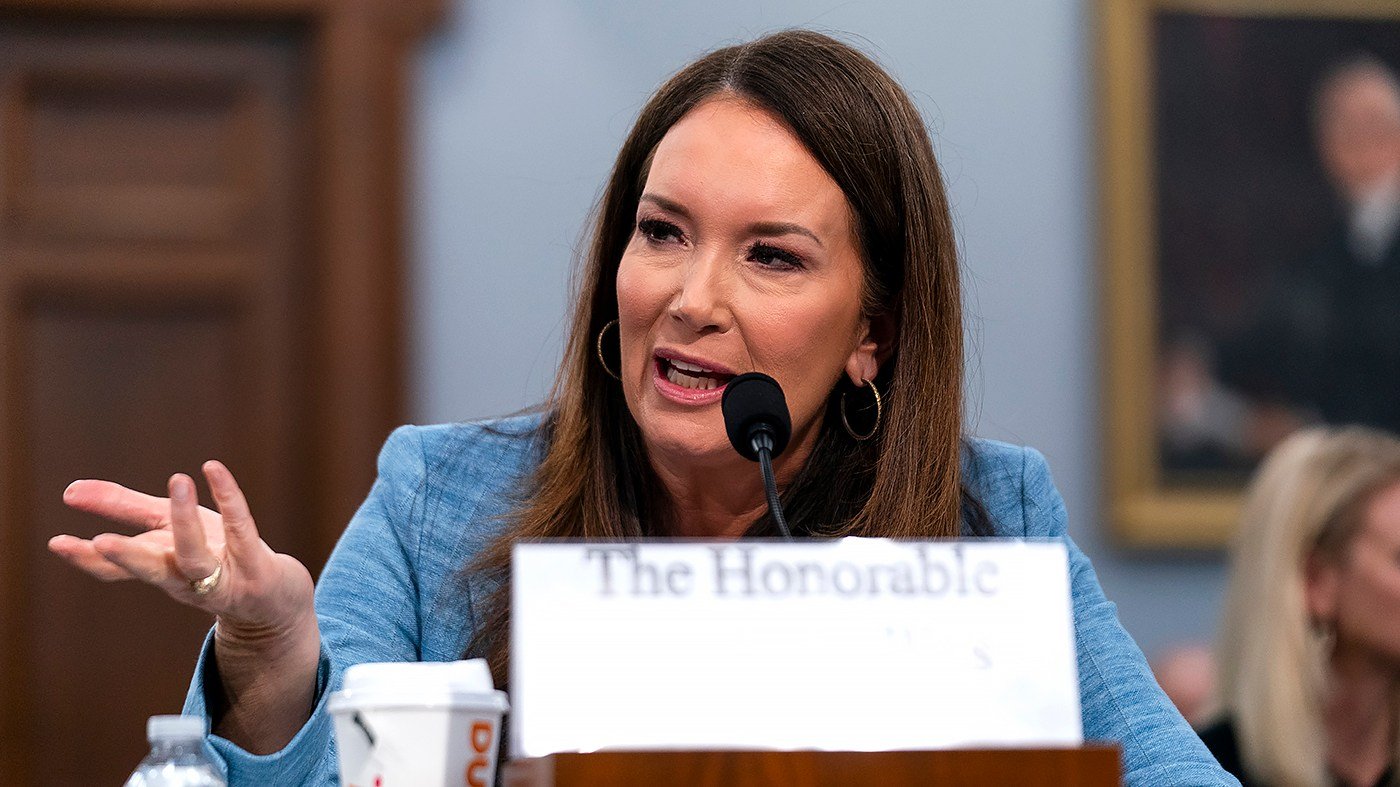
Under the FTCA, claimants have two years from the incident to file; if the government denies or fails to act within six months, they can sue. Quick settlements could bypass judicial scrutiny entirely. Rep. Dan Goldman (D-N.Y.) warned, 'It is conceivable that that is a pathway that they would try to go... unless we also put guardrails around FTCA claims against the government, then they will just do it a different way.'
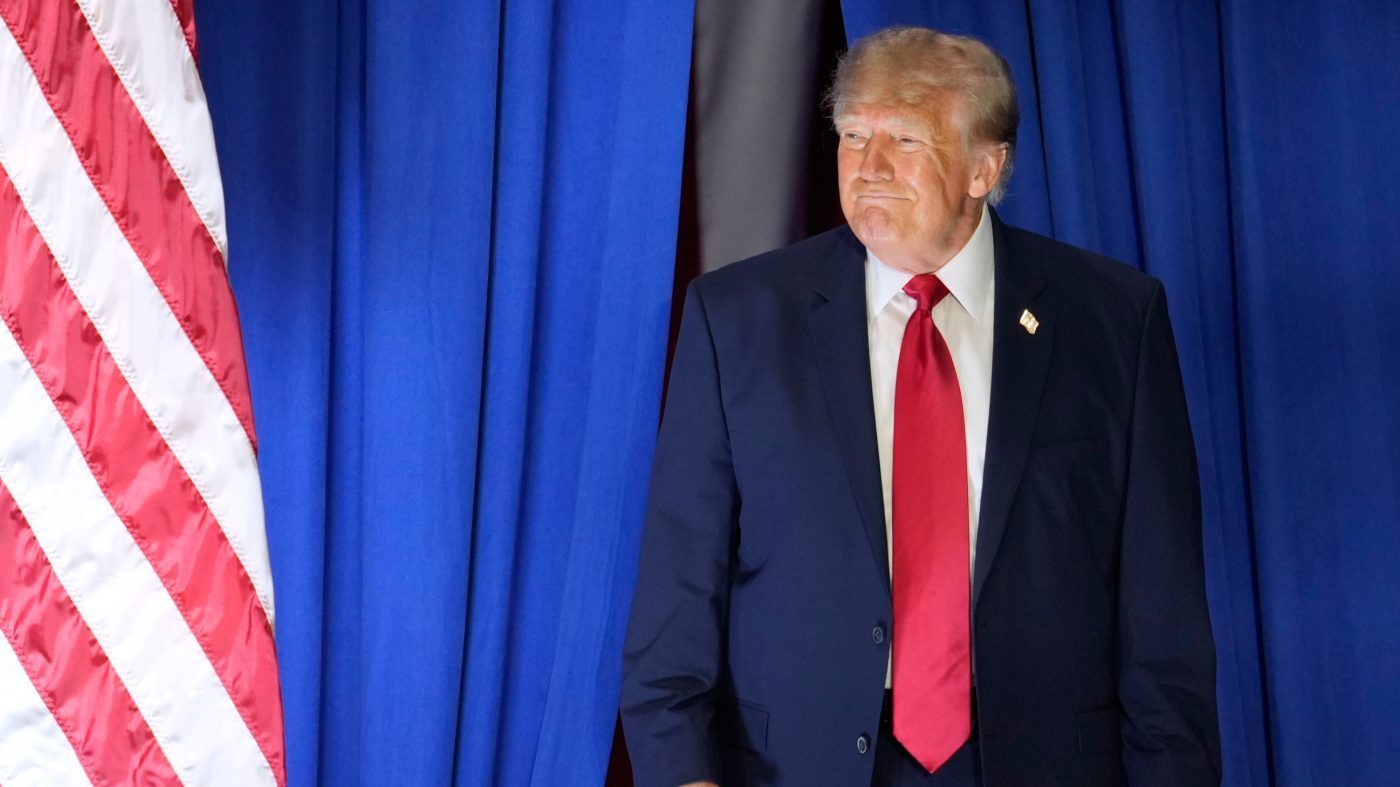
The Senate late Thursday failed to block the fund, and Blanche has refused to put his commitment in writing or withdraw the memo. Trump himself cast doubt, telling reporters, 'I'd have to ask the lawyers. I don't know.' Sen. Richard Blumenthal (D-Conn.) called for new restrictions on the Judgment Fund, saying, 'We ought to prohibit convicted criminals, particularly Jan. 6 rioters, from collecting through the Judgment Fund, because this Justice Department is so corrupt, it might somehow settle sham lawsuits.'
Lawyers for Jan. 6 defendants are already filing FTCA claims. Peter Ticktin, a Florida attorney, said he has filed for 200 clients and expects more. 'I realize that a lot of people think they shouldn't get any compensation... but they're looking at the reality of the situation. They didn't cause Jan. 6,' he said, noting he doesn't represent anyone who assaulted law enforcement. Mark McCloskey, a Missouri lawyer and self-described victim of lawfare, began FTCA claims last December for roughly 400 clients charged in connection with Jan. 6. He said the anti-weaponization fund's per-capita payout seemed small compared to the Judgment Fund's potential.
Some Jan. 6 defendants argue their prosecutions were politically motivated, though courts have rejected selective prosecution claims. Rupa Bhattacharyya, former director of the DOJ's Torts Branch, said it's unlikely another administration would pay Jan. 6 defendants, calling it 'an improper use of the judgment fund.' The debate echoes broader tensions over Pence's criticism of Trump's Jan. 6 pardons and the ongoing fallout from the Capitol attack.