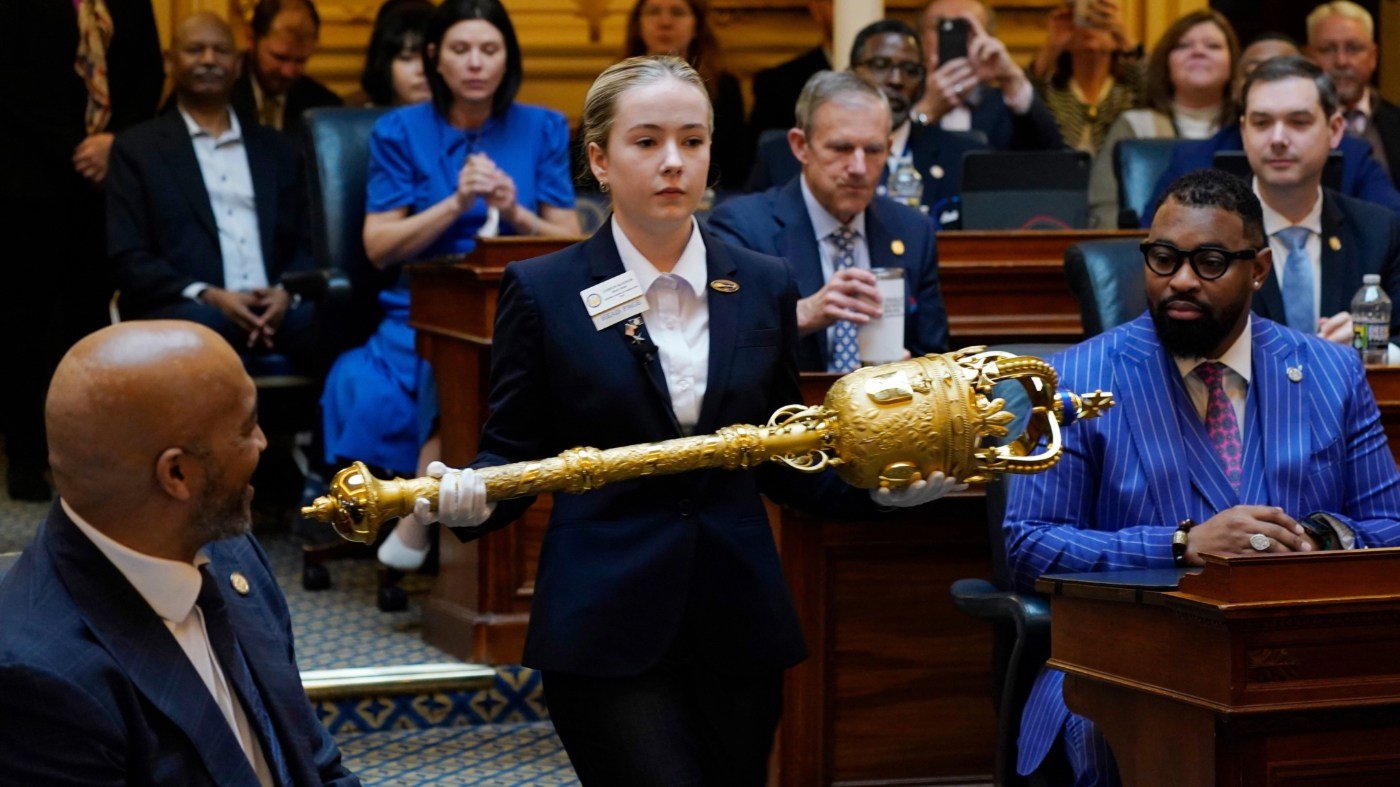
The midterm elections have concluded, and the contest for the Democratic presidential nomination is already underway. Before any candidate makes their first trip to an early primary state, they would be wise to study the strategies that have proven successful in state capitals like Richmond.
If the goal is to win elections, govern effectively, and rebuild the Democratic Party, the path leads through state governments. As former House Speaker Tip O'Neill famously said, "All politics is local." That remains true, but somewhere along the way, our party lost sight of this fundamental principle. Republicans never did.
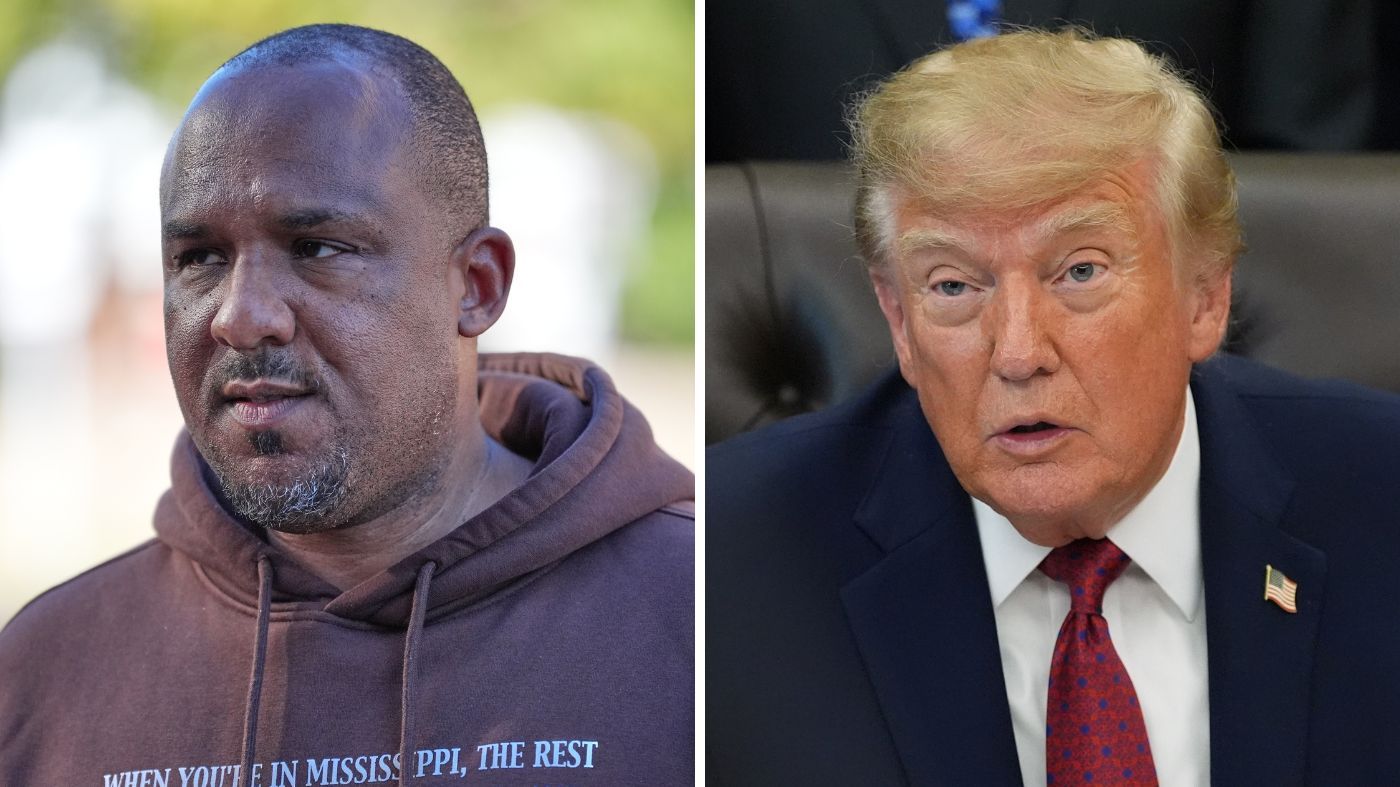
When Barack Obama took office, pundits predicted that demographic shifts would doom the GOP for a generation. Instead, Republicans launched a coordinated effort through organizations like the American Legislative Exchange Council and Project RedMap to focus on state legislatures. They methodically took over state governments, winning over white working-class voters and later a growing share of Latino voters. They redrew district maps to their advantage. Over eight years, Democrats lost more than 900 state legislative seats, and Republicans built the dominant position in shaping the national narrative that they still hold today.
Republicans didn't reclaim the country from Washington. They did it from Columbus, Raleigh, and Austin—one statehouse at a time—and Washington followed.
Virginia Democrats learned this lesson the hard way. In 2019, we won the House of Delegates on a wave of opposition to President Trump, only to lose it in 2021. We had fallen into the same trap as our colleagues in Congress: delivering small victories for our base while avoiding the tough issues that mattered to most Virginians.
So we went back to work. In 2023, running alongside a Democratic president with historically low approval ratings and against a popular Republican governor who spent millions to defeat us, we held the state Senate and flipped the House of Delegates by picking up three seats. We won because our candidates focused on what everyday Americans care about: the cost of groceries and rent, the quality of schools, and public safety.
For two years, the legislature tried to pass bills that delivered on our promises, but Governor Glenn Youngkin blocked us at every turn. In 2025, Virginians responded by giving us 64 of 100 House seats—our largest majority in over three decades—and electing a Democratic governor. Then we governed. We put the minimum wage on a path to $15 an hour, made Virginia the first Southern state to enact paid family and medical leave, created a first-in-the-nation data center consumption tax, and guaranteed paid sick days to more than a million workers. This fall, Virginians will vote on constitutional amendments protecting abortion, marriage equality, and voting rights.
Winning locally produces tangible results for real people. National Democrats need to get involved now. You can't rely on Trump to be the force that carries you—he won't be on the ballot in 2028. Any candidate who wants to lead this party needs more than a villain; they need a record and a plan. Right now, the best records are being built in state capitals, and the only plans with a credible chance of improving people's lives are being developed there.
So here is what every candidate must understand before this campaign begins: the next president has to recognize the importance of the states. Whatever that president has, and whatever that president wants, it goes through the states. States run elections, draw congressional maps, administer Medicaid, fund schools, and maintain roads. States will either protect people's rights or strip them. States will either make government work for people or let it rot.
When Trump wanted more Republican congressional seats, he didn't ask Congress—he turned to the Texas Legislature. When Virginians needed paid leave, we didn't call Washington; we made it happen. That is how the founders intended it. Our system is more than the three branches in Washington stuck in partisan stalemate. It is federalism, with meaningful power retained by states. Justice Brandeis called states "laboratories of democracy."
Democratic power can only be maintained if national leaders partner with the states. That means investing in legislative races every year, including off-years, and treating state legislators as partners in governing, especially when Congress refuses to act. Washington is where Democratic ideas go to be debated; the states are where they go to get done. Anyone who wants to be president should start there.
Don Scott (D) is the Speaker of the Virginia House of Delegates, representing the 88th District. He is the first Black Speaker in the chamber's history.