Congress is once again weighing a major overhaul of how professional boxing is regulated in the United States, a push that supporters say will clean up a corrupt and confusing system but that opponents warn could actually harm fighters in the ring.
Senator Ted Cruz, Republican of Texas, recently announced he will introduce a Senate version of the Muhammad Ali American Boxing Revival Act, legislation that passed the House and aims to create a unified boxing organization (UBO) to consolidate rankings and simplify matchmaking. The bill is the latest attempt by lawmakers to address longstanding problems in a sport notorious for its fractured governance and history of shady dealings.
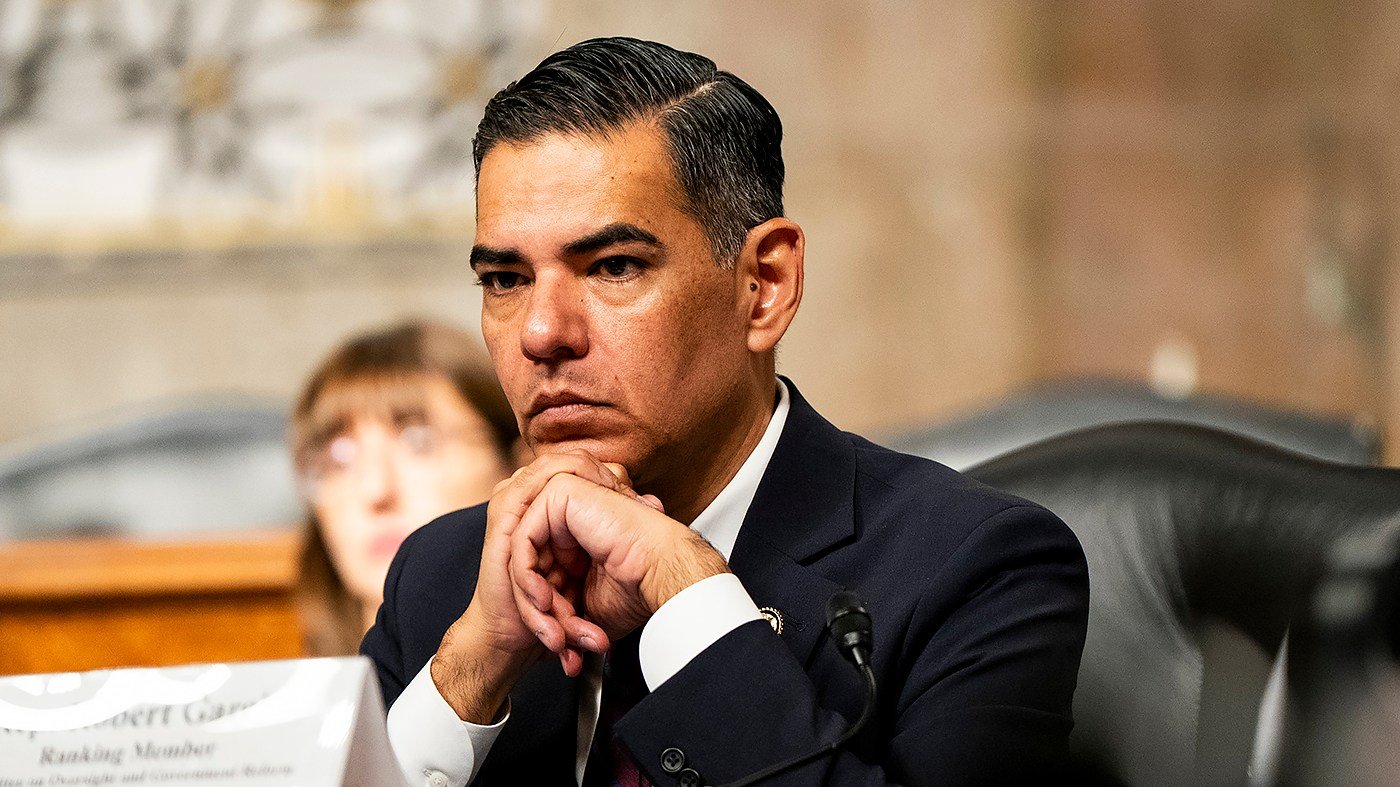
“After having spoken to stakeholders across boxing and combat sports, it’s clear there are persistent challenges in the current model. Challenges that fighters, promoters and fans alike recognize, even if they differ on the cause and cure,” Cruz said during a Senate Commerce Committee hearing last week. “We need more predictable pathways for matchmaking, and simplified rankings. I believe allowing for a more unified structure to take hold could help the sport compete more effectively against other combat sport competitors.”
Critics of the current system argue that boxing is hobbled by a convoluted ranking and title belt structure that makes it hard for casual fans to follow and has allowed corruption to flourish. They point to the rise of mixed martial arts and leagues like the UFC, which operate under a single governing body, as a model boxing should emulate. But defenders of the existing order warn that creating a UBO could concentrate too much power, threatening fighter rights and protections around health, safety, and pay.
Congress first stepped into professional fighting in 1996 with the Professional Boxing Safety Act and later the Muhammad Ali Boxing Reform Act, responding to widespread corruption and match-fixing by top promoters. Yet over three decades, the result has been a fragmented ecosystem of multiple sanctioning bodies where fighters can claim titles simply by paying fees out of their winnings. Disputes over promotional rights, purse valuations, and fight schedules have grown increasingly heated, with mega-fights like Floyd Mayweather vs. Manny Pacquiao taking years to materialize—or never happening at all.
Nick Khan, president of World Wrestling Entertainment and a leading backer of Cruz’s bill, argued that UBOs could do what major sports do: promote competition, develop talent, and enforce consistent standards. “For boxers, this bill delivers concrete protections that are long overdue,” Khan said. “The sanctioning bodies oppose this bill because it threatens their dominance over the sport.”
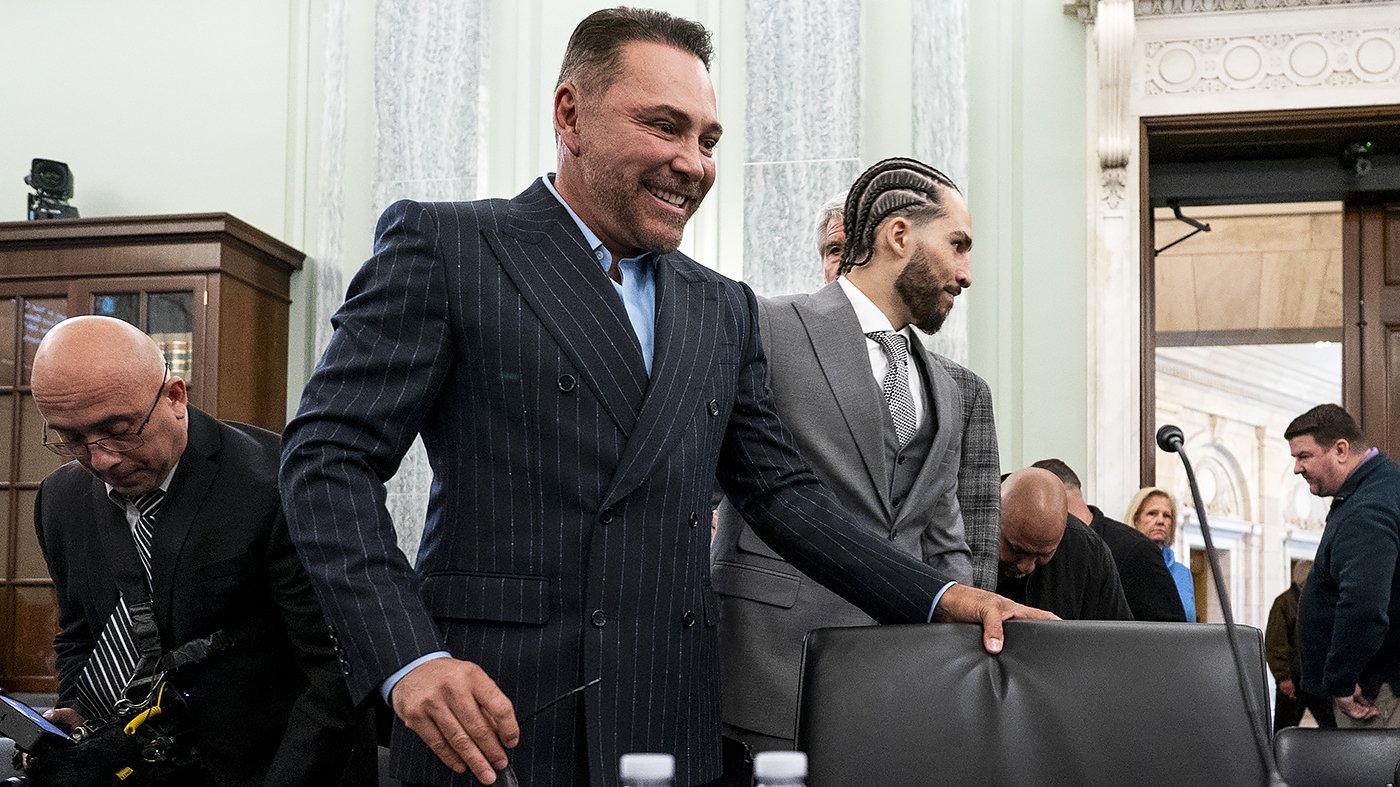
But Nico Ali Walsh, a professional boxer and the grandson of Muhammad Ali, pushed back hard, telling the Senate panel that consolidating power would strip fighters of their ability to choose where and when to fight, ultimately capping their earning potential. “This proposed act is made for billionaires, not boxers,” Walsh said. “You won’t see it now … but down the line, you’ll begin to see how the sport will become monopolized and fighters like myself won’t have a choice anymore; coercive contracts will be coming back.” Walsh acknowledged that paying fees to sanctioning bodies for title belts is “annoying,” but argued that money gets funneled back to fighters in a way it would not under a UBO.
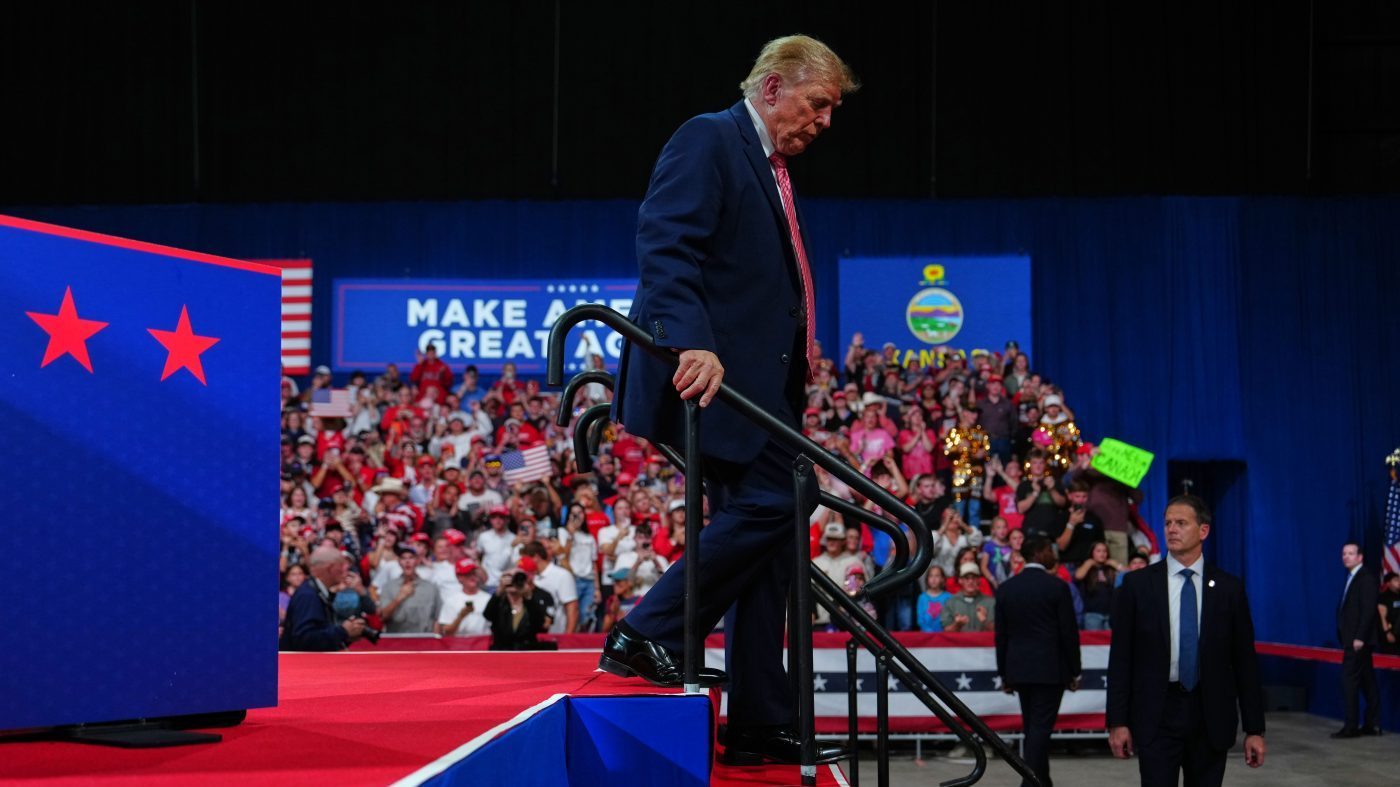
The renewed congressional interest in boxing regulation comes amid a broader push by Dana White, head of the UFC, to expand his combat sports portfolio—some of it backed by Saudi Arabia. White, a close ally of President Trump, stumped for him at the 2024 Republican National Convention, and his league is set to host an event on the White House grounds this summer dubbed UFC Freedom 250, timed to coincide with Trump’s 80th birthday. Greggory Ross, an expert in combat sports at St. Mary’s University McLean Centre for Sport, Business and Health, suggested the timing is no coincidence. “I think most of this is coming from the lucrative opportunities that are all of a sudden available through Saudi Arabia’s entrance into [fighting sports] in a major way,” Ross said. “Dana White is trying to find a way to create a kind of closed off system where the Saudis get the most bang for their buck, or that’s what it feels like, anyway.”
As the debate heats up, lawmakers are also grappling with other pressing issues, including redirecting health dollars to patients ahead of 2026 reforms and addressing AI threats that many remain unaware of. The boxing bill, meanwhile, faces an uncertain path as both sides dig in.