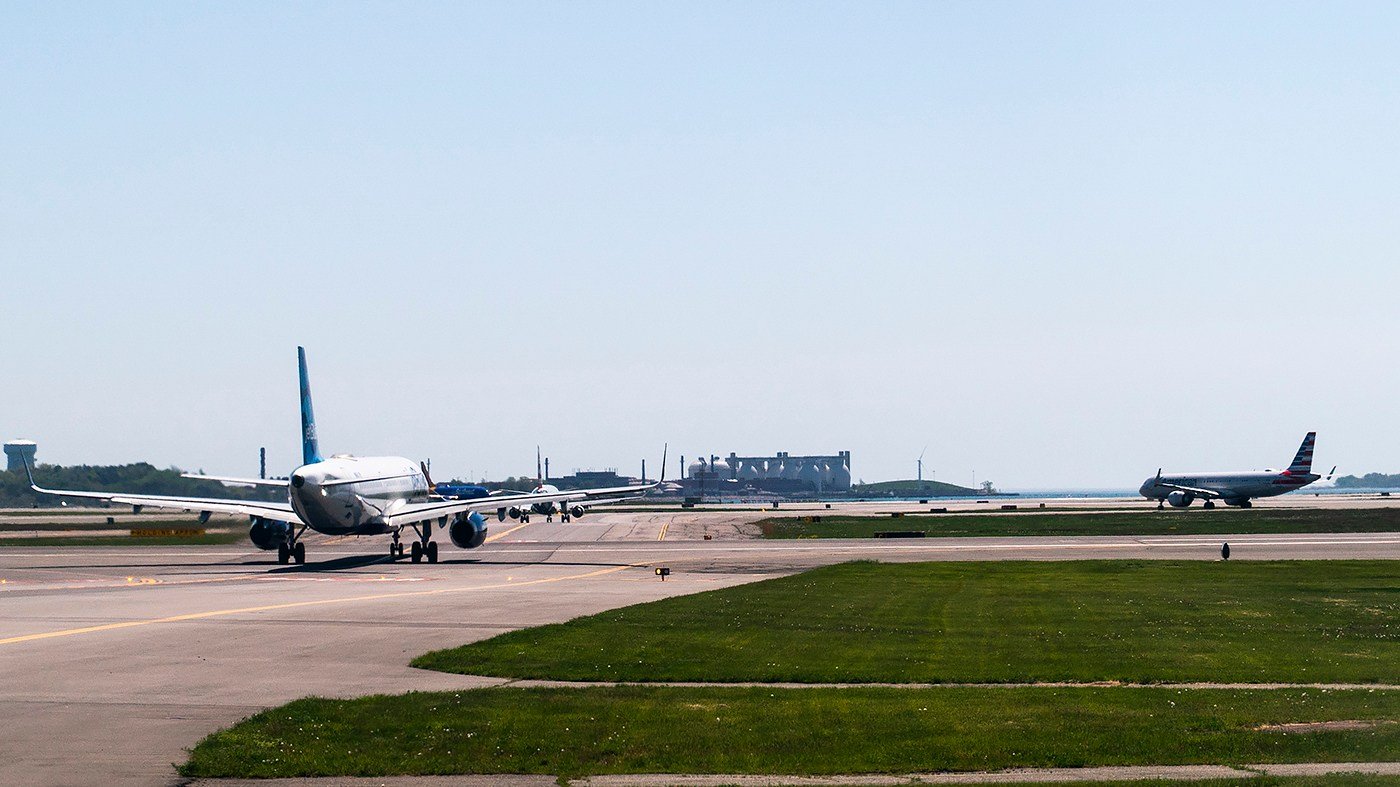
As the summer travel season reaches its peak and lawmakers gear up for another round of budget brinkmanship, aviation experts are sounding the alarm over the recurring threat of government shutdowns to the nation's air travel system. The Labor Day weekend is projected to be one of the busiest in history, yet the Federal Aviation Administration (FAA) and the airline industry are bracing for potential disruptions that have become all too familiar.
The 2025 shutdown, which stretched over the holidays, left millions of passengers stranded and caused widespread delays. According to industry data, air traffic control staffing shortages resulted in 15,600 flight delays and 7,100 cancellations, affecting more than six million travelers. Combined with this year's Department of Homeland Security shutdown, the economic toll has exceeded $6 billion.
Essential workers bear the brunt
At the heart of the problem is the classification of air traffic controllers, TSA officers, and Customs and Border Protection personnel as essential workers. They are required to continue working without pay during funding lapses, leading to financial strain and burnout. As missed paychecks pile up, absenteeism rises, and the FAA is forced to reduce flight operations due to staffing shortages.
The ripple effects are felt across the entire aviation ecosystem: delayed departures, missed connections, crew duty limits, and aircraft out of position. Security lines stretch for hours, and cargo shipments slow down, affecting businesses and consumers alike.
A growing exodus from aviation jobs
More concerning is the long-term impact on the aviation workforce. Over a thousand TSA officers have left following recent funding lapses, and prospective air traffic controllers are reconsidering careers in an industry where paychecks can be interrupted by political disputes. This comes at a time when the FAA is already short thousands of controllers and needs to recruit and train new personnel.
Ken Blackwell, former Ohio secretary of state and chair of Election Integrity at the America First Policy Institute, argues that Congress must act decisively. In a recent commentary, he emphasized that allowing shutdown fights to disrupt essential aviation funding is counterproductive and harmful.
A practical solution exists
Blackwell points to the Airport and Airway Trust Fund, which is funded by ticket taxes and aviation fuel taxes. Giving the FAA access to these funds during a lapse would keep controllers paid and operations running smoothly, while preserving congressional oversight. The same principle could apply to TSA and Customs, which could use existing user fees to pay essential staff.
“The same principle should extend to TSA and Customs and Border Patrol, which could continue paying essential personnel through existing user fees,” Blackwell wrote. “Aviation functions as an interconnected system, and insulating the FAA alone would accomplish little if security checkpoints and customs operations remained vulnerable to the same funding dispute.”
With another deadline approaching, lawmakers are urged to complete the fiscal year 2027 appropriations process through regular order and avoid a shutdown. If that proves impossible, a continuing resolution would provide temporary relief. But the long-term fix, experts say, is to ensure that the FAA and other aviation agencies are insulated from political brinkmanship.
As the House returns to avert a shutdown, the stakes are high. Travelers, industry stakeholders, and the thousands of federal workers who keep the skies safe deserve better than to be pawns in political games. Congress has the tools to prevent this recurring crisis; it just needs the will to use them.