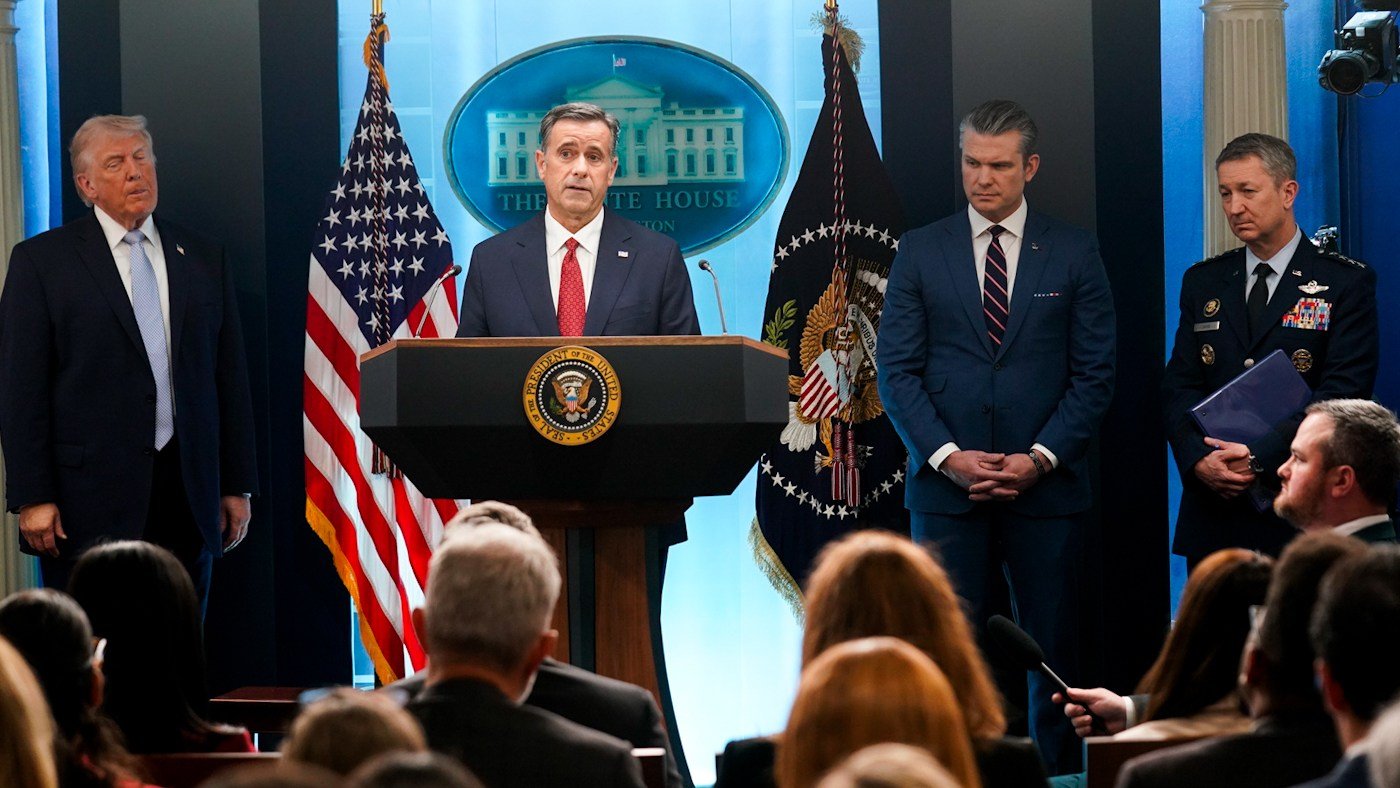
CIA Director John Ratcliffe made a surprise trip to Moscow on Tuesday for meetings with Russian officials, according to CBS News, marking the first known visit by the top U.S. spy to Russia since his confirmation in early 2025.
Flight tracking data showed a U.S. Air Force Boeing C-17A Globemaster III transport plane traveling from Riga, Latvia, to the Russian capital on Tuesday morning. The aircraft was later observed departing Moscow around noon, suggesting a brief but high-stakes diplomatic mission.
The CIA and the White House did not immediately respond to requests for comment, leaving the purpose of the talks unclear. However, the visit comes at a delicate moment in U.S.-Russia relations, with Washington pushing for a ceasefire in Ukraine while peace negotiations appear to have stalled.
According to the Financial Times, the Trump administration had asked Ukrainian officials last week to refrain from striking Moscow, St. Petersburg, and other northern regions with long-range drones and missiles on Monday, Tuesday, and Wednesday, because a senior U.S. official would be in Moscow during that window. That request aligns with Ratcliffe's travel schedule.
The trip also follows recent U.S. intelligence assessments warning that Russian President Vladimir Putin might test NATO's resolve with a limited assault on a member state within the next few years, as reported by The Wall Street Journal. Such a scenario would represent a major escalation in the ongoing confrontation between Moscow and the alliance.
Ratcliffe's visit is the first by a CIA director to Russia since William Burns traveled there in November 2021, shortly before Russia's full-scale invasion of Ukraine. During that trip, Burns met with Russian officials and warned Putin against military action, a warning that went unheeded.
The unannounced nature of the trip underscores the sensitivity of the discussions. It also comes amid a broader push by the Trump administration to secure the release of Americans detained in Russia, as well as ongoing efforts to broker a peace deal between Kyiv and Moscow. Earlier this year, the administration secured the release of a detained U.S. Marine without a swap, a rare diplomatic win.
Analysts note that Ratcliffe's direct engagement with Russian officials could signal a shift toward more pragmatic back-channel diplomacy, even as Congress debates new sanctions on Moscow. A bipartisan group in the House has pushed back against a Senate sanctions bill, reflecting divisions over how to handle Russia while peace talks remain in limbo.
The trip also coincides with heightened tensions over missile defense in Europe. Former Vice President Mike Pence and Ukrainian President Volodymyr Zelensky have urged the U.S. to share missile defenses with Ukraine to counter Russian strikes, while some policymakers have warned that Russia's attacks on U.S. firms in Ukraine's energy sector are being ignored.
As the world watches for any breakthrough, Ratcliffe's Moscow visit may be a critical step in testing Russia's willingness to negotiate in good faith. Whether it leads to a de-escalation or merely a pause in hostilities remains to be seen.