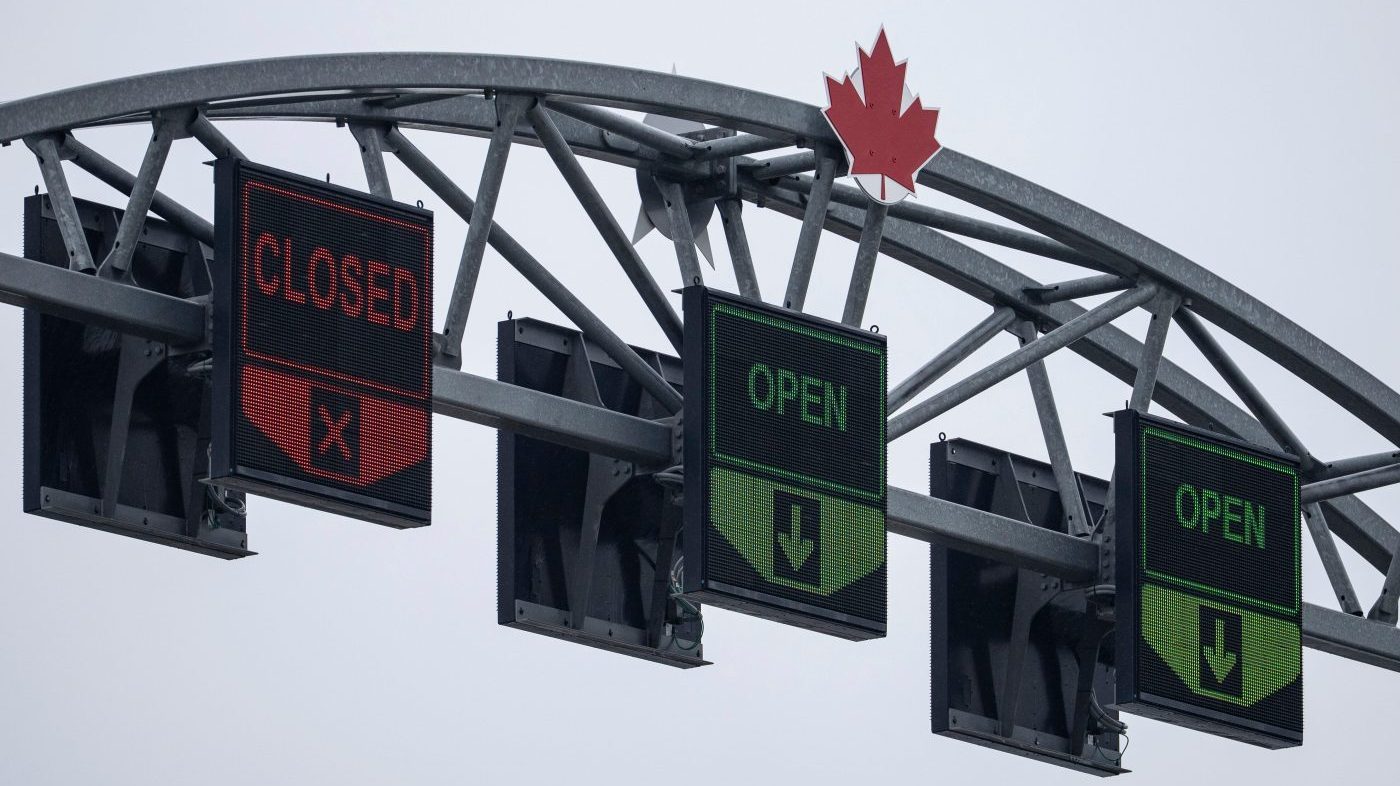
Canada is set to overhaul its border entry procedures for remote areas, phasing out a long-standing program that allowed travelers to cross without physically appearing at a port of entry. The change, effective Dec. 1, will require all individuals entering Canada to report their arrival through designated telephone reporting sites, according to the Canada Border Services Agency (CBSA).
The move mirrors the approach used by U.S. Customs and Border Protection (CBP) for remote entries, marking a significant shift in how Canada manages its less-trafficked border crossings. The CBSA announced the termination of the Remote Area Border Crossing (RABC) Program in August, and the agency has now issued a reminder to travelers ahead of the deadline.

Under the RABC program, roughly 11,000 people annually—about 90 percent of them American—were able to enter Canada through remote areas without checking in at a designated border post. They were still required to declare goods, but the process was more flexible. That flexibility will end at 11:59 p.m. on Nov. 30.
Travelers who fail to report their arrival to the CBSA could face enforcement actions, including monetary penalties, seizure of goods or vehicles, and possible criminal charges, the agency warned.
To ease the transition, the CBSA has established 17 new designated telephone reporting sites across the affected regions, with the majority located in Ontario. These include three sites on Lake Superior, four on Lake of the Woods, two on Rainy Lake, and two on Rainy River. The agency says the new system will ensure a consistent level of security and align more closely with how travelers report to U.S. Customs and Border Protection when entering the United States in remote areas.
This policy shift comes amid broader discussions about border security and cross-border cooperation. Earlier this year, a Pentagon memo reportedly curbed informal U.S.-Canada military ties, and the Supreme Court has weighed in on border-related asylum rules. The new Canadian approach is seen as part of a wider trend toward standardized, technology-driven border enforcement.
For frequent crossers, the change means planning ahead. Travelers must now know the location of the nearest telephone reporting site and use it upon entry. The CBSA has not indicated whether mobile apps or online reporting will be available in the future, but for now, the telephone remains the primary method.
The end of the RABC program is a notable adjustment for American travelers who have long relied on the convenience of remote crossings. As the Dec. 1 deadline approaches, the CBSA is urging all affected individuals to familiarize themselves with the new requirements to avoid penalties.