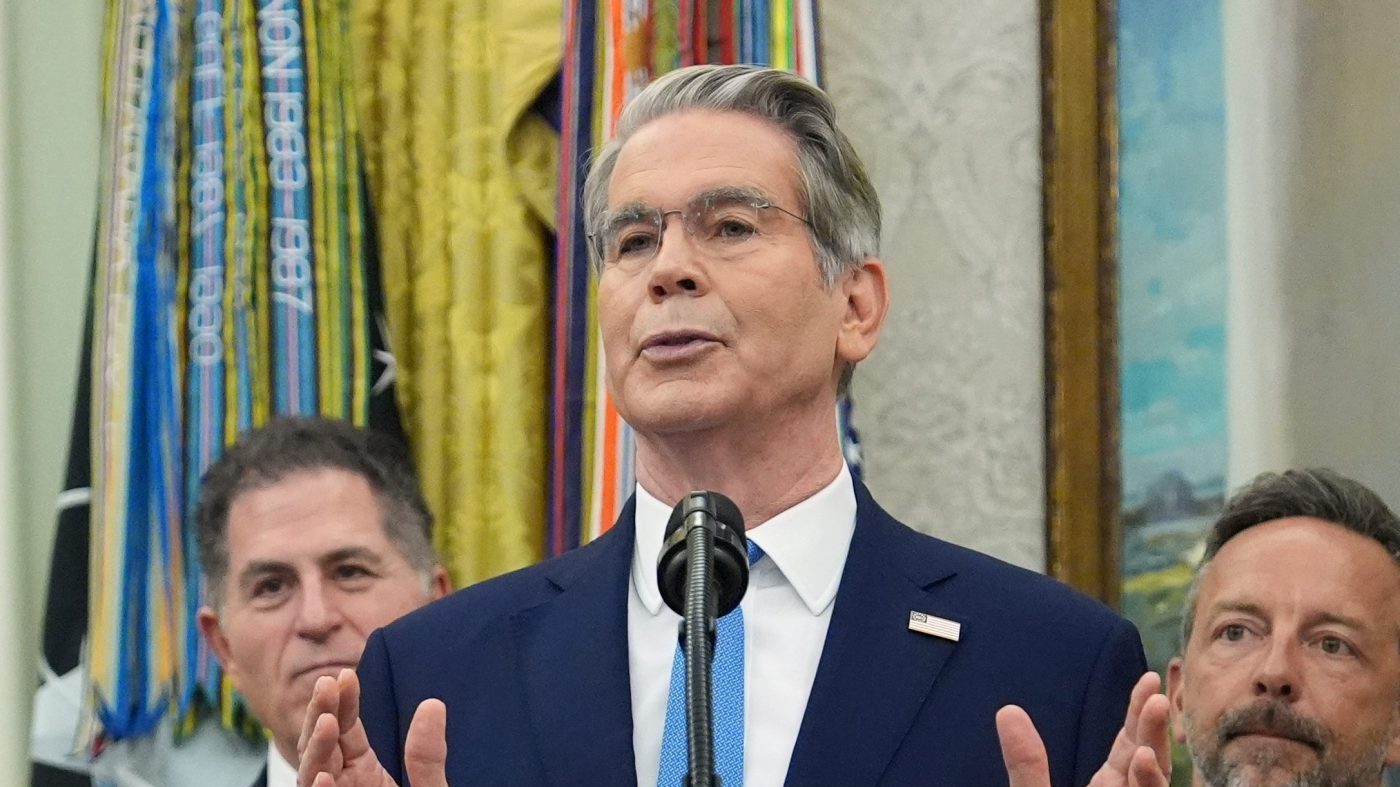
Treasury Secretary Scott Bessent declared Tuesday that the Strait of Hormuz, a critical artery for global crude shipments, will become a "worthless piece of water" for the oil industry within two years. Speaking on the sidelines of the Group of 20 finance ministers' summit in North Carolina, Bessent told Fox Business's Larry Kudlow that the waterway is "not a choke point" for the United States, despite its historic significance.
His remarks come as the U.S. has slashed its reliance on Persian Gulf oil. According to the Energy Information Administration (EIA), American crude imports from Gulf nations averaged about 500,000 barrels per day in 2024, representing just 7 percent of total U.S. crude imports—the lowest level in nearly four decades. The agency attributes this shift to booming domestic production and increased imports from Canada.
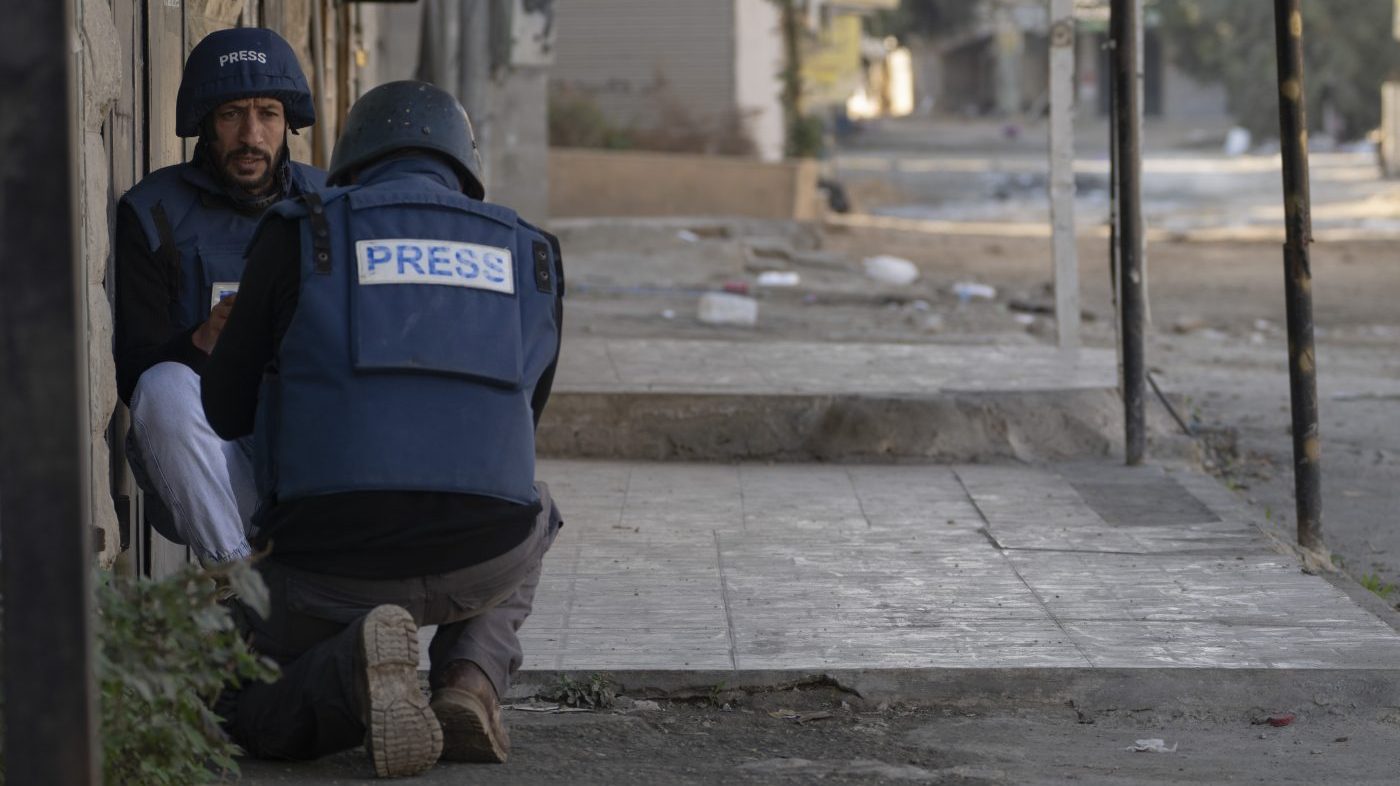
Bessent acknowledged that the strait remains vital for many other nations. The International Energy Agency (IEA) estimates that nearly 34 percent of the world's crude oil transited the waterway in 2025, with most of those exports destined for Asian markets. But the Treasury secretary argued that within two years, "the Strait of Hormuz will be... a worthless piece of water," predicting that oil "will be going on pipelines across land."
The comments come amid heightened tensions in the region. Iranian military restrictions on shipping in the strait, imposed during the ongoing conflict that began in late February, have slowed traffic and contributed to rising energy prices. Brent crude, the international benchmark, was trading above $95 per barrel on Wednesday, up from $72.48 just before the U.S.-Israel campaign began. U.S. gasoline prices have also surged, with the national average hitting $4.09 per gallon on Tuesday, compared to $2.98 two days before the conflict started, according to AAA.
Saudi Arabia and the United Arab Emirates already operate pipelines that bypass the strait, as noted by the IEA. Additionally, several Middle Eastern governments—including Saudi Arabia, the UAE, Iraq, and Turkey—have reached bilateral agreements to construct new oil pipelines. However, these projects are expected to take years to complete, suggesting that the strait will remain a key chokepoint in the near term.
The U.S. military has been working to secure the waterway, guiding tankers through a southern channel along Oman's coast and enforcing a blockade of Iranian ports. These actions are part of the Trump administration's broader effort to inflict economic pain on Tehran. Last week, the Treasury Department sanctioned nearly 60 entities, individuals, and vessels linked to the Iranian government. Bessent warned that countries must sever financial ties with Iran or risk being cut off from the U.S. dollar system.
On Tuesday, Bessent indicated that the administration has received "great support" from foreign governments for its economic warfare campaign. "We have zero tolerance," he told Kudlow. "We are going to economically asphyxiate this regime." The Treasury's push is likely to face tests, particularly regarding China's compliance and potential off-ramps for Iran, as analysts have noted.
The Hormuz clash has already sparked an oil spike, but the war remains in a stalemate, and Bessent's timeline for the strait's obsolescence may be optimistic. While U.S. energy independence grows, global markets still depend heavily on the waterway, and pipeline infrastructure is not yet sufficient to replace it. The administration's strategy may ultimately hinge on whether its economic pressure can force Tehran to capitulate before the strait's relevance fades—or whether the strait's relevance fades before the pressure works.