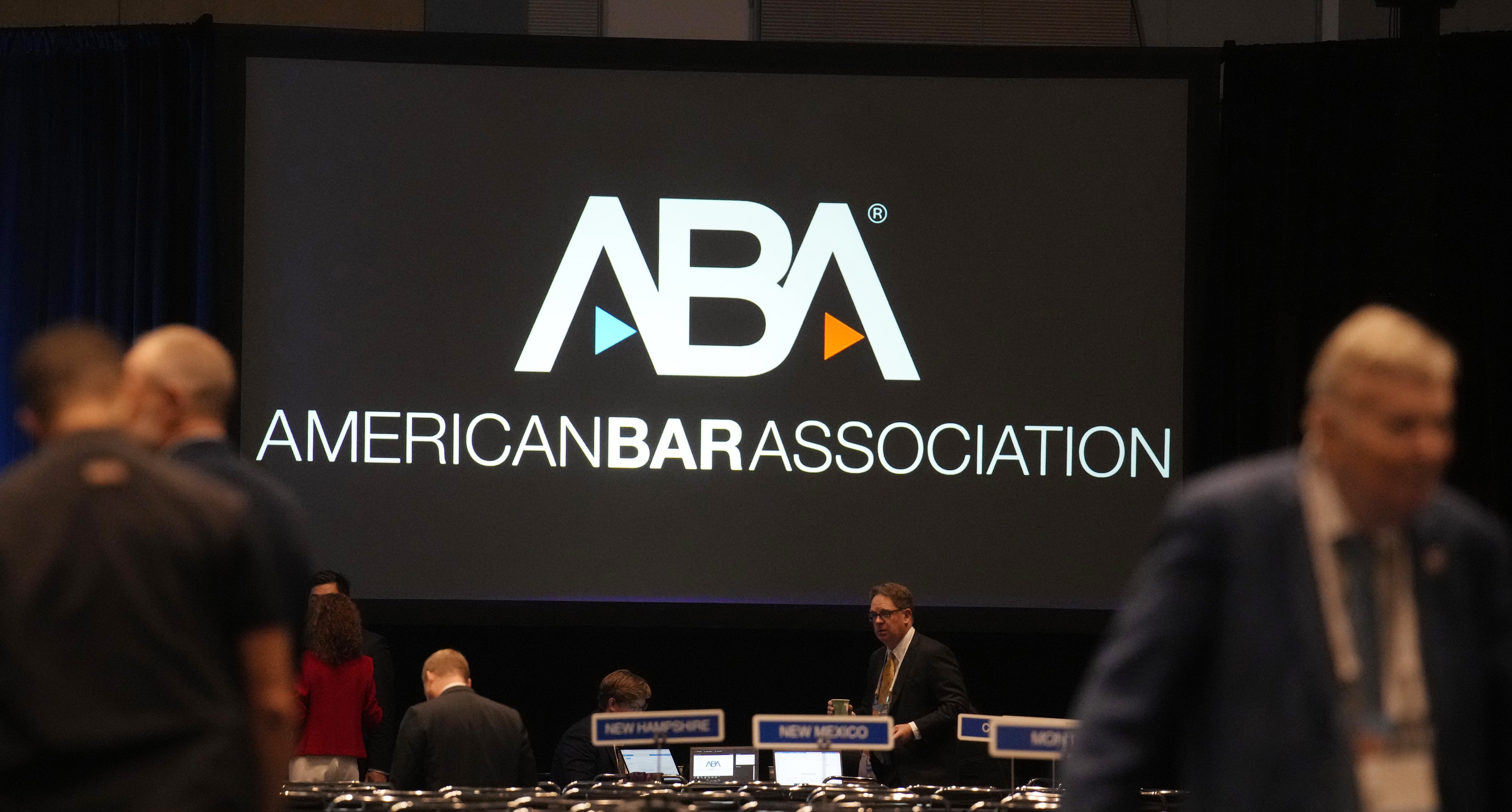
After nearly 40 years as a member, Don Daugherty, senior counsel for litigation at the Defense of Freedom Institute, decided in May not to renew his American Bar Association membership. His departure, he argues, signals the organization's slide into irrelevance.
The ABA once offered invaluable resources for continuing legal education, networking, and career advancement. Daugherty tolerated its political forays for years, but as dues rose and the group's leftward tilt intensified, the value proposition evaporated.
Political Polarization Undermines Credibility
While the legal profession leans liberal, Daugherty contends the ABA has abandoned any pretense of balance. Its amicus briefs and public statements now align with one political pole, mirroring broader polarization. Even on issues where most Americans agree—like border security and gender identity—the ABA takes minority positions, he says.
This ideological bent has practical consequences. The ABA's evaluations of federal judicial nominees are now dismissed outright by one party, eroding its influence in confirmation battles.
Loss of Accreditation Monopoly
The organization's grip on law school accreditation is weakening. Texas and Florida's supreme courts ended exclusive reliance on ABA accreditation in January, followed by Alabama and Ohio last month. Tennessee may soon follow. The Federal Trade Commission criticized the ABA for anticompetitive practices, arguing its dominance inflates legal education costs and restricts the supply of new lawyers.
These cracks in its institutional power mirror a broader decline in professional association membership. The American Medical Association faces similar challenges, with only about 20% of physicians belonging. The ABA now claims less than 15% of practicing attorneys.
Content Lacks Practical Value
Daugherty notes that ABA publications increasingly feature irrelevant topics—such as state laws on cat declawing or a judge's barbershop quartet hobby—rather than content useful for litigation practice. Specialized bar groups now offer better support without political baggage.
The relentless advertising from ABA-affiliated vendors only added to the frustration. Nonrenewal, he says, has cleaned out his inbox.
As America celebrates its 250th anniversary, the ABA's failure to foster respectful debate on thorny issues represents a missed opportunity. The organization, Daugherty concludes, has alienated customers like him and faces a bleak future unless it reconnects with the broader legal profession and the American public.