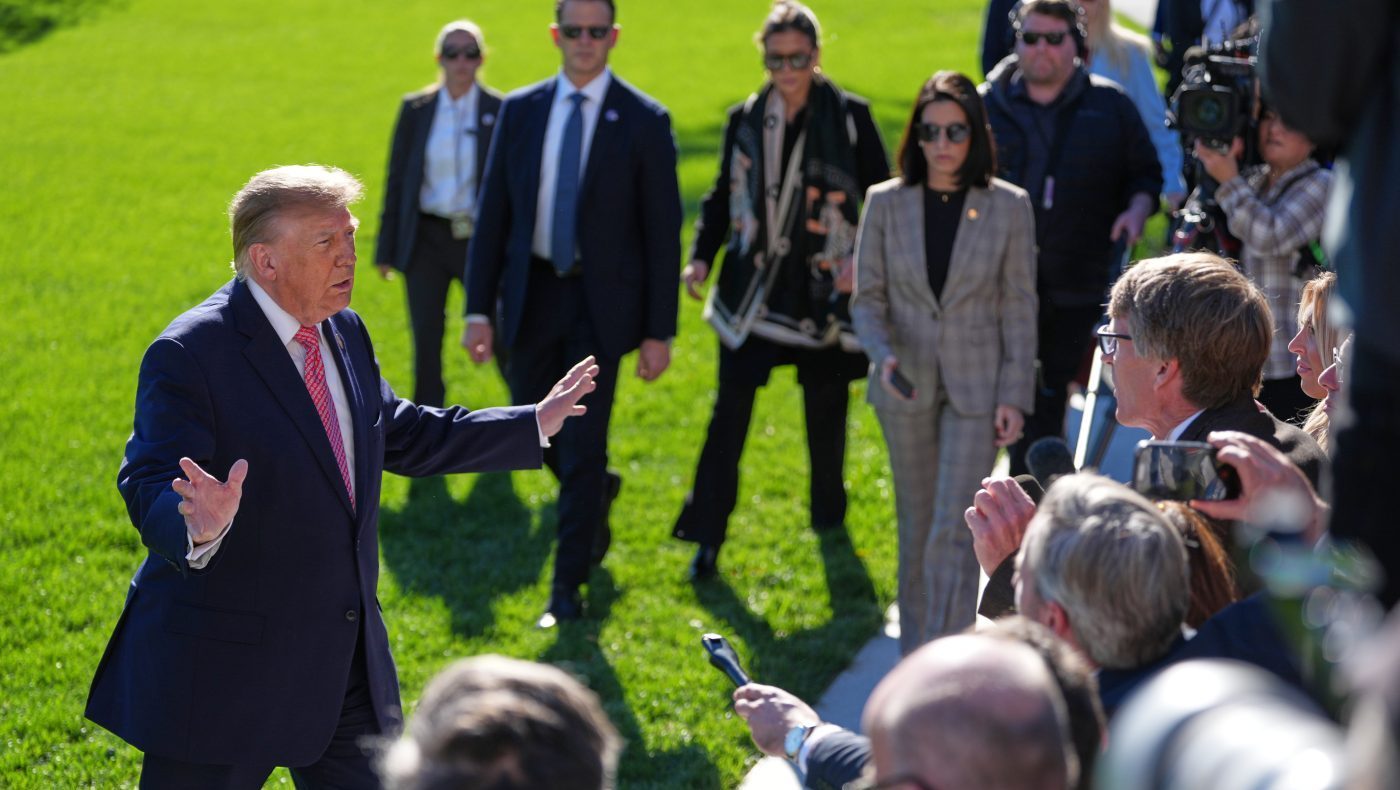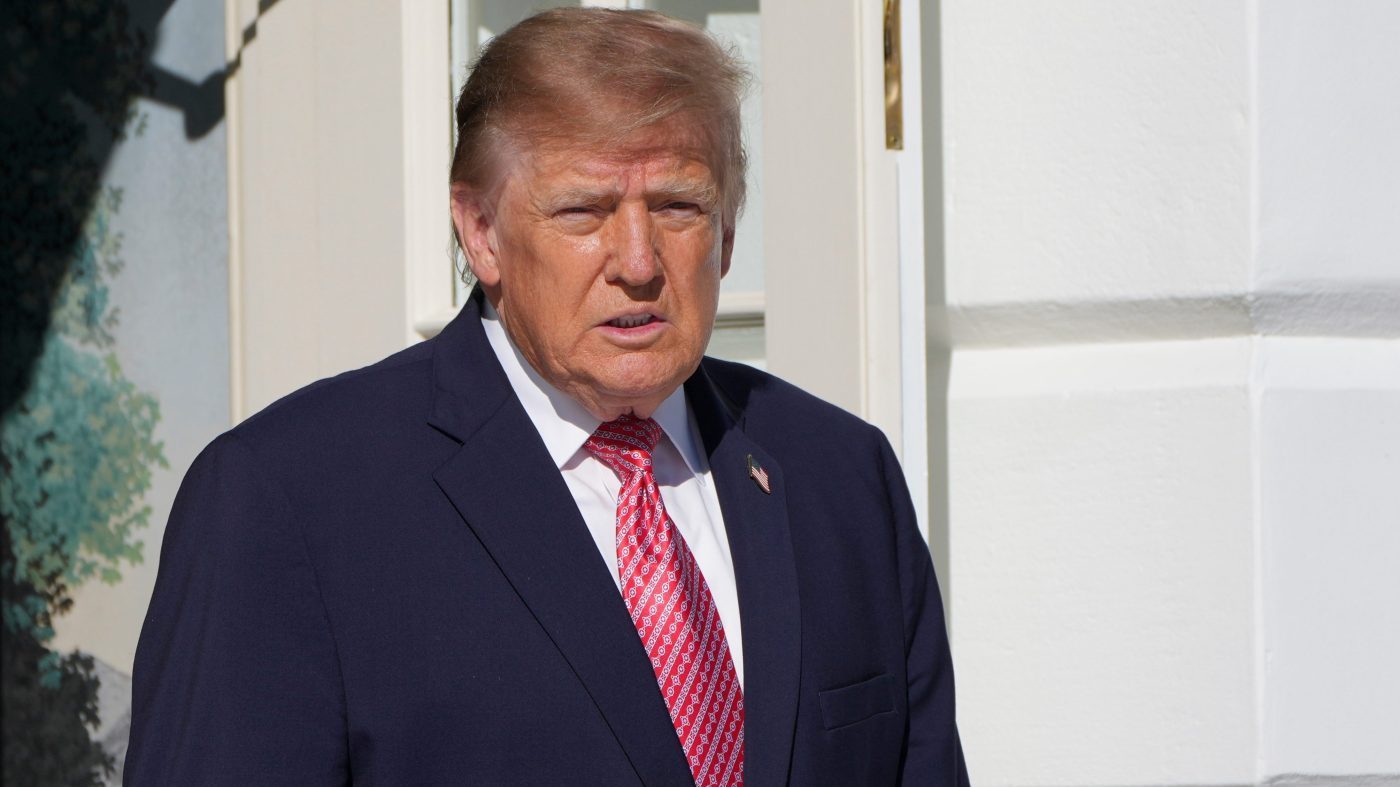
The Wall Street Journal's editorial board on Sunday accused President Trump of betraying the legacy of the late Sen. Lindsey Graham (R-S.C.) by waiving Russian sanctions that were part of legislation named in Graham's honor. The board wrote that Trump had "stuck a shiv in the back" of the senator's posthumous work, and described the president as "best friend in the world" to Russian President Vladimir Putin.
The editorial, published Sunday, argued that the waiver is further evidence that Trump wants Ukraine to capitulate to Putin's demands. "The evidence compounds that Mr. Trump wants Ukraine to surrender on Mr. Putin's terms," the board wrote, adding that a "bipartisan reckoning" is needed after the election to address what it called Trump's "budding alliance with the Kremlin against Ukraine, Europe and American interests."
The sanctions Trump waived were included in a legislative package dedicated to Graham, who died earlier this year. The measure imposed tariffs on countries that purchase Russian energy and on entities helping Russia evade sanctions, with the goal of pressuring Moscow to end its military operations in Ukraine. The bill passed both chambers with overwhelming bipartisan support.
Trump defended the move on Truth Social, saying his administration is "in the process of negotiating Peace in the war between Russia and Ukraine" and did not want to "drive, foolishly, Russia away from the bargaining table." He added, "Signing that document at this time will do that, and I can sign it later, or any time that I want."
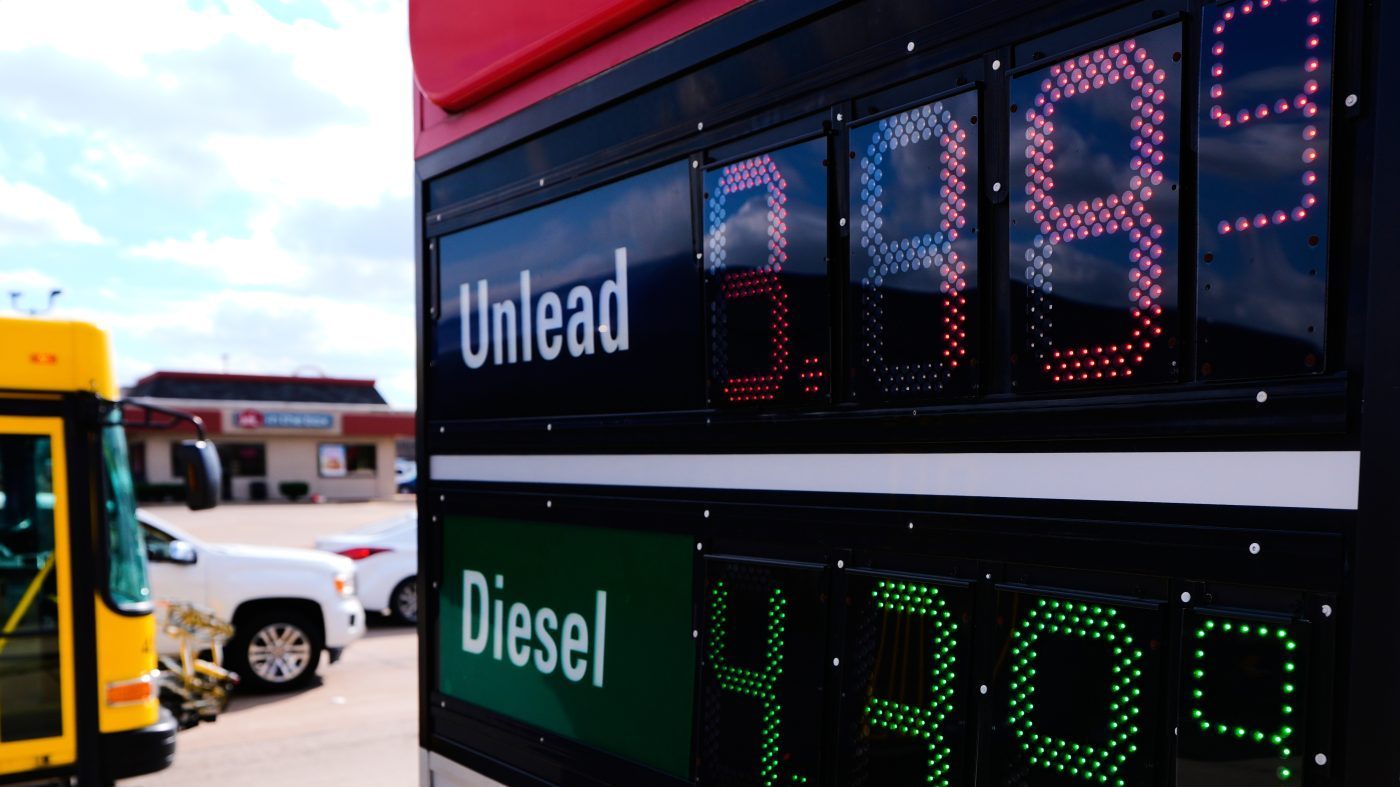
The waiver drew sharp criticism from both parties. Sen. Thom Tillis (R-N.C.) called it "entirely irresponsible," while Rep. Don Bacon (R-Neb.) wrote on social media that "The President is prolonging the war, not ending it." Other Republican lawmakers have also voiced concerns about Trump's closeness to Putin, especially after Trump announced a deal allowing Russia to supply 300,000 tons of diesel immediately, 500,000 tons in November, and 1 million tons shortly after.
The decision also strained relations with Ukrainian President Volodymyr Zelensky, who said in an interview on NBC's "Meet the Press" that Ukraine trusts Trump but that it would be "unbelievable" for the U.S. to side with Putin over Ukraine. The waiver marks another flashpoint in the already tense relationship between the two leaders.
The sanctions waiver is part of a broader pattern of Trump's approach to Russia, which has raised alarms among allies and critics alike. As Trump's political strategy evolves, his foreign policy decisions continue to spark debate. The editorial board's sharp rebuke underscores the growing divide between the president and establishment voices within his own party.
Critics argue that Trump's actions undermine U.S. leverage in negotiations and embolden Putin. They point to the administration's other controversial moves as evidence of a broader disregard for traditional alliances. Meanwhile, supporters insist that Trump is pursuing a pragmatic path to peace, even if it means making concessions that are unpopular at home.
The fallout from the waiver is likely to intensify as the 2026 midterm elections approach. The issue has already become a rallying point for Democrats, who see it as a vulnerability for Republicans. Some GOP lawmakers, however, have defended Trump's decision, arguing that diplomatic engagement is necessary to end the conflict. The debate over how to handle Russia is far from over, and Trump's latest move has ensured it will remain a central issue in American politics.