Golf icon Tiger Woods on Wednesday changed his plea in a Florida DUI case, opting to plead no contest to reckless driving and failure to submit to a sobriety test, a move that spares him from more severe punishment.
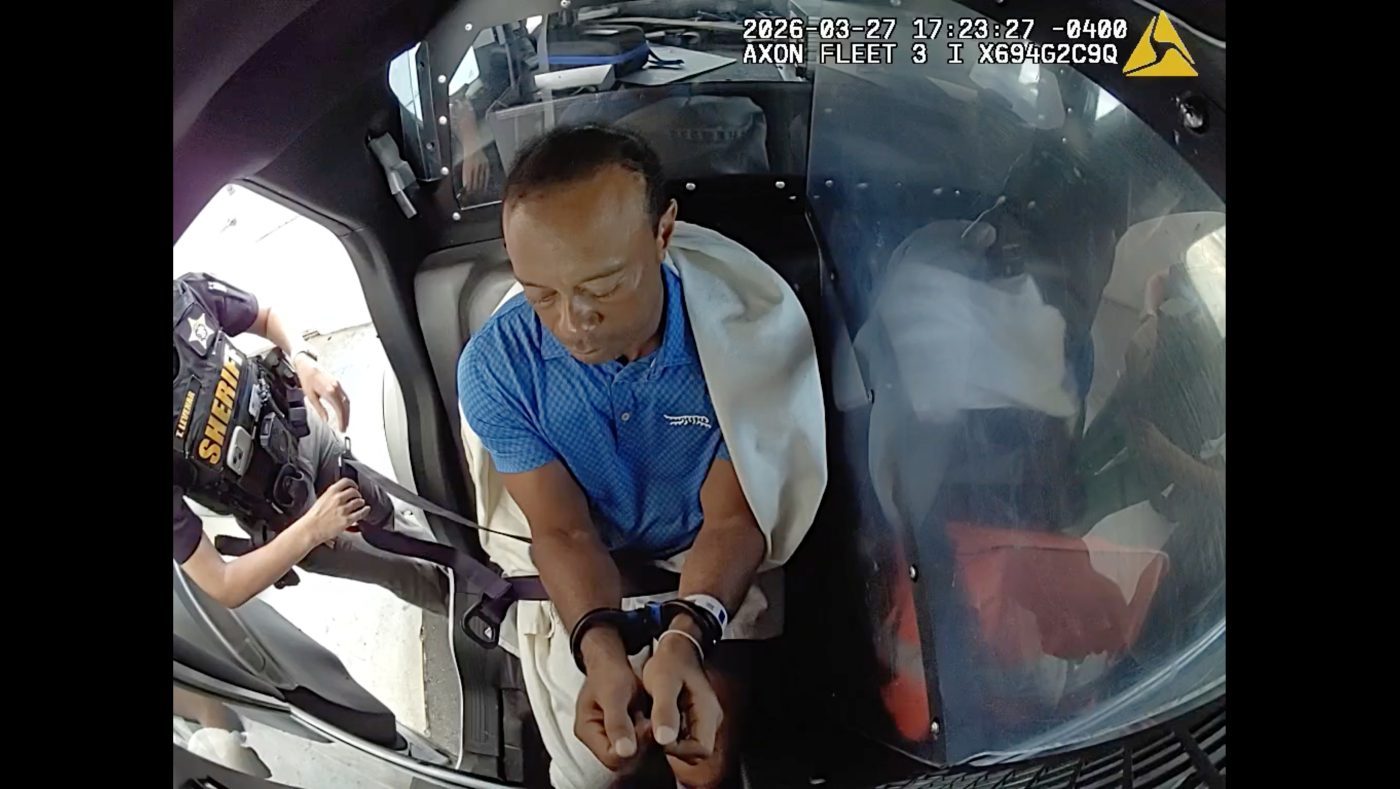
The 15-time major champion was arrested in March after his SUV struck a pickup truck and flipped in Jupiter, Florida. Police body camera footage showed Woods on the ground, telling officers he had called President Trump after the crash. No injuries were reported.
Woods had initially pleaded not guilty to DUI causing property damage and refusing a lawful sobriety test. But in court Wednesday, he accepted a deal that includes a five-year driver's license suspension and a fine.
Following his arrest, Woods announced he would step away from professional golf to seek treatment for addiction. In a social media post, he said he was "committed to taking the time needed to return in a healthier, stronger and more focused place, both personally and professionally."
This is not Woods's first legal trouble. He has faced previous DUI arrests and personal controversies, including extramarital affairs that damaged his public image. His relationship with President Trump has been noted, and he is currently dating Vanessa Trump, the ex-wife of Donald Trump Jr.
The plea deal comes amid a broader scrutiny of DUI cases in Florida, where judges often consider prior records and the circumstances of the arrest. Woods's legal team argued that his blood-alcohol level was not disclosed, but the no contest plea effectively closes the case without admission of guilt.
Woods's career has been marked by immense athletic achievement, but his off-course struggles have often overshadowed his performance. This latest legal episode adds another chapter to a complex legacy.
The suspension of his license could affect his ability to travel to tournaments, though he has not yet announced a return date. His focus remains on recovery, as he stated in his social media message.
Political observers note that Woods's connection to the Trump family and his high-profile status make this case a subject of public interest, though it remains primarily a legal matter.