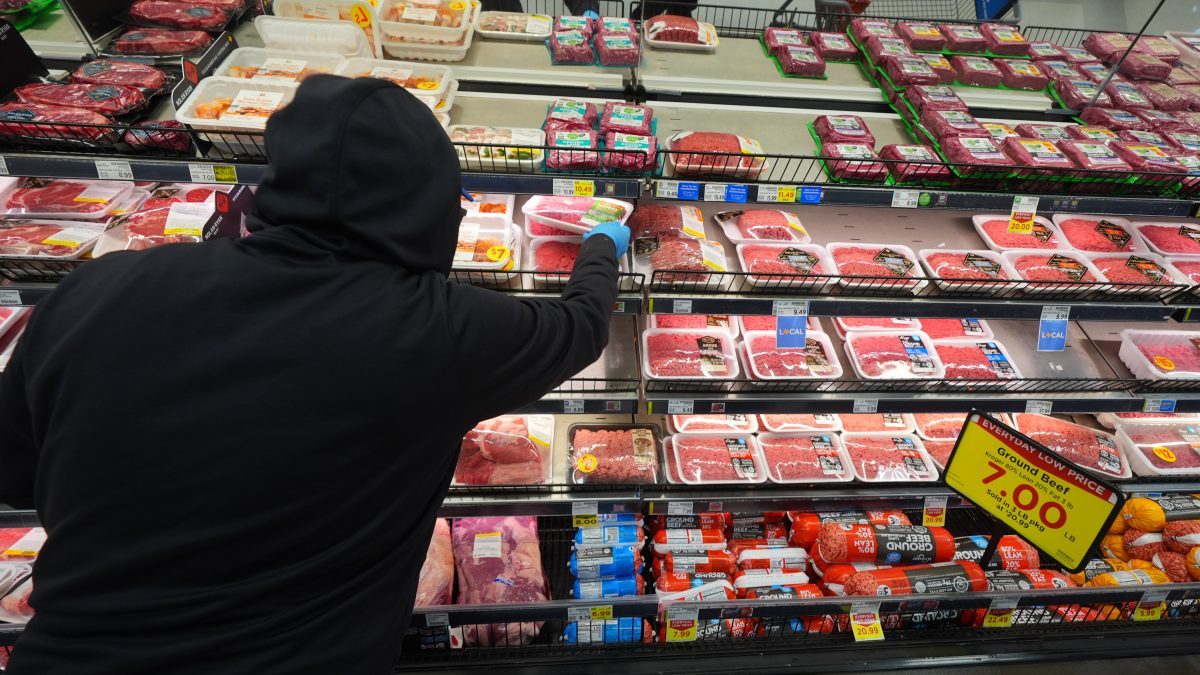
In a bid to ease the sting of high grocery bills, the Trump administration has opened the door to a surge of imported beef. The president announced last month that up to 300,000 metric tons of ground beef would be permitted into the U.S. over the next 90 days without triggering the usual “out-of-quota” tariffs. That move is designed to inject cheaper product into the market, with the president vowing on social media that the imported beef would be sold at 25% below current market rates.
But for consumers who want to know exactly where their meat comes from, the new policy raises a practical question: Can you actually tell if your beef is a product of America? The answer, according to current labeling rules, is not always straightforward.
The White House has clarified that the beef in question is lean trimmings, typically used in ground beef production. That means the imported product is likely to be mixed with domestic beef in many cases, which can complicate labeling. Under U.S. Department of Agriculture rules, if beef is blended with domestic product, the label may list both origins, but it doesn't always specify the percentage of each.
Consumer advocates have long pushed for clearer country-of-origin labeling, especially for ground beef, which can be a patchwork of sources. “Shoppers deserve to know if their hamburger includes meat from overseas,” said one food policy expert. The current system, they argue, is confusing, with terms like “Product of USA” sometimes applied to beef that has been only minimally processed here.
The import surge is part of a broader effort to address food inflation, a key political issue as the midterm elections approach. The White House has been under pressure to show progress on lowering prices, and beef is a staple that voters notice. However, the policy has drawn criticism from domestic ranchers, who fear that a flood of cheap imports could undercut their livelihoods.
For now, the administration is betting that consumers will prioritize price over provenance. But as the debate over food security and trade policy heats up, the question of whether your burger is truly American is likely to remain a contentious one. For those looking to avoid imported beef, experts suggest checking the label for specific origin statements or buying directly from local producers.
The move also comes amid broader trade tensions, with the administration's aggressive tariff policies sparking retaliation from trading partners. In this context, the beef import decision is seen as a pragmatic exception to the president's “America First” stance, one that acknowledges the need for affordable food even if it means relying on foreign suppliers.
As the 90-day window unfolds, the impact on prices will be closely watched. But for consumers, the immediate takeaway is clear: unless labeling rules change, you may not always know if your beef is a product of America. That ambiguity is something both shoppers and policymakers will have to chew on.