Earl Smith, a Vietnam-era Air Force veteran and professor at the University of Delaware, has issued a stark warning: the Trump administration's overhaul of military leadership is not the merit-based, colorblind reform it claims to be, but rather a deliberate dismantling of the progress Black service members have made over decades.
Smith, who served in Da Nang in the mid-1960s, recalls a time when Black men were disproportionately sent to the front lines of Vietnam, making up 31 percent of Army and Marine recruits in 1965 despite being just 10.8 percent of the male population. Their combat deaths reached 25 percent, nearly double their population share. That history, he argues, makes the current purge all the more disturbing.

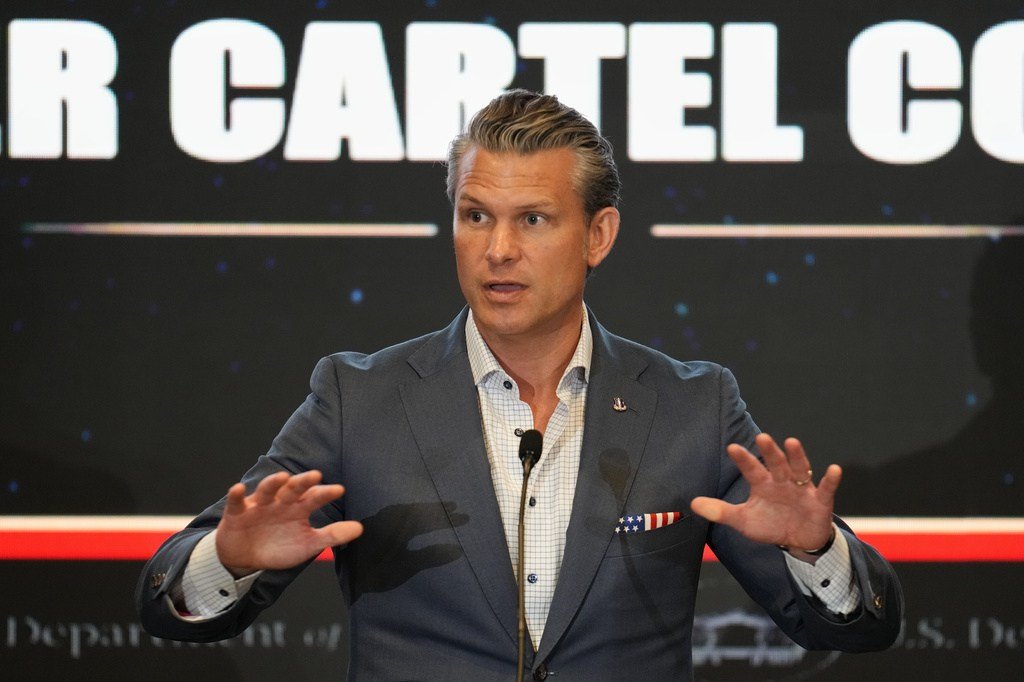
Under Defense Secretary Pete Hegseth, the Pentagon has adopted a public stance of being "colorblind and merit-based," but Smith contends the actions tell a different story. Hegseth has fired Gen. Charles Q. Brown Jr., the second Black chairman of the Joint Chiefs of Staff, after 41 years of service; removed Col. Dave Butler from a promotion list; and denied Rear Adm. Stephen D. Barnett a promotion to vice admiral despite an exemplary record. Meanwhile, a recent promotion list of roughly three dozen officers was overwhelmingly white and male, and advanced without similar scrutiny.
The administration's rhetoric has also included a dismissive jab at former Defense Secretary Lloyd Austin, a four-star general and 40-year veteran. Hegseth said, "I don't know what Lloyd Austin did for four years," a comment Smith calls a familiar erasure of Black achievement from the highest civilian office in the Pentagon.
Smith argues that the military's promotion system is supposed to be based on time-in-grade and oversight boards, not the whims of a single individual. But by relabeling earned advancements as DEI-driven "favoritism," the administration is systematically blocking Black officers from upward mobility.
The silence from within the military's ranks is deafening, Smith says. While some officers have spoken to reporters anonymously, no one has publicly defended their Black colleagues. The fear of retaliation from the Trump administration is real, but Smith warns that unchallenged actions will only escalate.
These decisions, he argues, reverse the promise of President Truman's 1948 Executive Order 9981, which desegregated the military and opened a pathway to the middle class for millions of Black families. Smith himself used the GI Bill to fund his college and graduate education and buy his first home, benefits that shaped his family's upward trajectory.
The wholesale dismissal of Black officers' accomplishments is not mere neglect of that pathway, Smith concludes; it is its deliberate destruction. The cost, he warns, will be borne by Black families for generations to come.