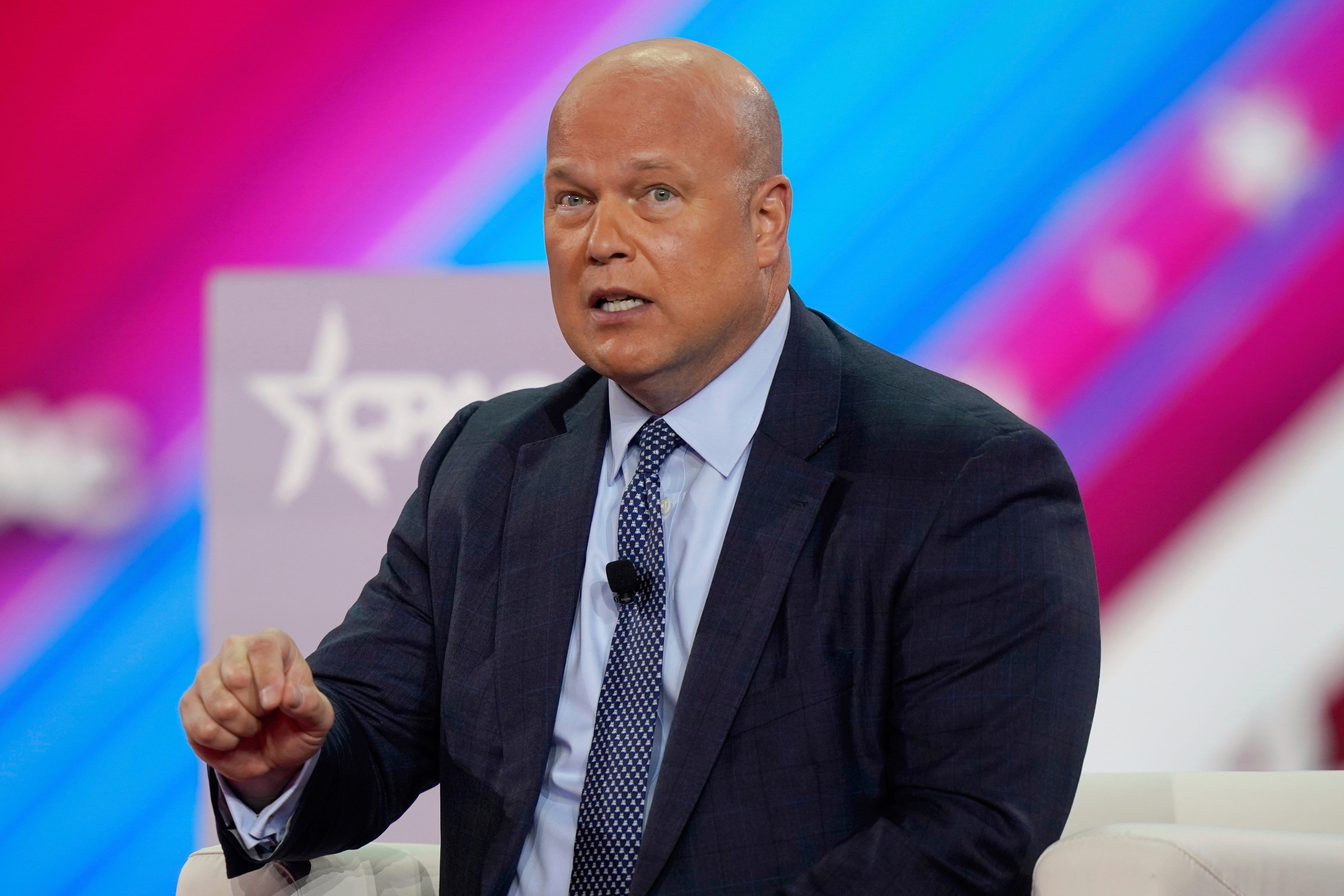
The United States' top envoy to NATO is pressing member nations to ramp up defense budgets and accelerate weapons manufacturing in response to what he describes as an increasingly unpredictable Russian threat.
In an interview at NATO headquarters in Brussels, Ambassador Matt Whitaker cautioned that the alliance cannot rely on forecasting Moscow's next move. "You can't predict what Vladimir Putin's going to do or any adversary," he said. "All you can do is be prepared for it and deter and make it not worth their time to make that move."
Whitaker stressed that preparation is an ongoing effort. "I think we are preparing every single day to prevent that from happening, and if it does happen, to be ready for it," he added. "We should know that our adversary invaded Ukraine, and so we should all be pretty clear-eyed."
His remarks follow a Wall Street Journal report last month citing a leaked U.S. intelligence assessment suggesting Russia could mount a limited assault on a NATO country within the next few years. That assessment marked a shift from earlier U.S. predictions that Putin would avoid provoking the alliance while still bogged down in Ukraine. Officials told the Journal that the updated view reflects mounting internal pressure in Russia to end the prolonged conflict.
Whitaker declined to comment on the leaked intelligence, instead focusing on the need for concrete action. "We need to exercise like it matters," he said. "We need to prepare, we need to invest in capabilities."
NATO members have already agreed to a target of investing five percent of annual GDP in defense by 2035, with 3.5 percent earmarked for military spending. Whitaker's call reinforces that commitment, urging allies to translate pledges into tangible production increases.
The urgency is amplified by recent diplomatic moves. CIA Director John Ratcliffe made an unannounced visit to Moscow last week to warn Russian officials against any attack on NATO territory, a trip first reported by the Journal. President Trump characterized the visit as "semi-routine" during an interview with Glenn Beck, dismissing suggestions that the CIA chief was delivering a stern message to Putin about testing NATO's resolve.
Whitaker's comments come as the alliance grapples with how to balance deterrence without provoking escalation, a challenge that has grown more complex as the war in Ukraine grinds on. His emphasis on readiness echoes broader concerns within NATO about the sustainability of current defense production rates.
The ambassador's blunt language underscores a growing consensus among allied officials that the security environment demands a more robust posture. As one NATO diplomat put it, "We cannot afford to be caught off guard again."
For now, the focus remains on turning political commitments into operational reality, with Whitaker insisting that every member must contribute. "We need to be ready for anything," he concluded.