
The Mississippi Senate race is on a knife's edge, with Republican Senator Cindy Hyde-Smith and Democratic challenger Scott Colom separated by fewer than 2,000 votes as of Wednesday evening. Colom holds a slim lead of less than a quarter of a percentage point, and the outcome could ultimately be decided in the courts because the state has no recount mechanism.
Mississippi is still counting mail ballots that were postmarked by Election Day and can arrive up to five business days later, a practice upheld by the Supreme Court this summer. State election officials estimate roughly 3,600 ballots are still outstanding, and Colom's campaign says around 15,000 provisional ballots were cast on Election Day.
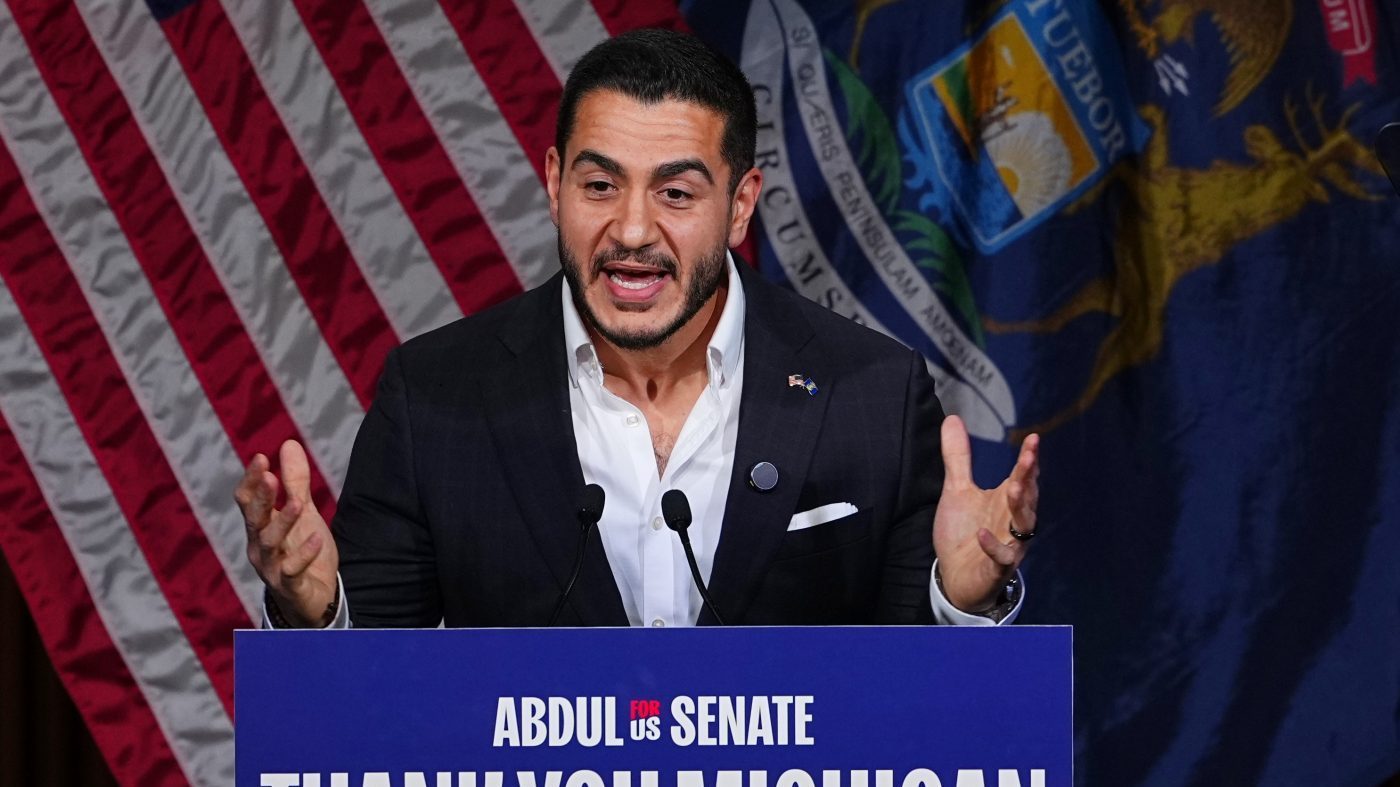
Colom expressed confidence on social media, saying, "We are going to make sure every single vote has been counted, and I am confident we will ultimately flip this seat." Hyde-Smith, speaking at her campaign watch party, acknowledged the Democratic turnout but insisted, "I assure you I will continue to be your U.S. senator."
The narrow margin raises the likelihood of legal challenges. But unlike many states, Mississippi does not have an automatic recount provision, even if a candidate offers to pay. "In some states, a really close election automatically triggers a recount. That's not true in Mississippi," said Ronald Rychlak, a law professor at the University of Mississippi. "A candidate does not have an automatic right to a recount, even if they offer to pay for it."
State law provides specific procedures for contesting legislative races, including a 20-day window for county-level contests. But for federal offices like the U.S. Senate, there is no express mechanism in Mississippi law to challenge the general election result. That leaves it to the courts to decide how disputes are resolved, potentially ordering a full or partial recount if evidence of errors is presented.
The lack of a clear process is unusual. Other states have rules for handling congressional challenges, but Mississippi's are limited to primaries. In 2014, Chris McDaniel attempted to contest the GOP Senate primary after losing to Thad Cochran, but the state Republican executive committee and the Mississippi Supreme Court rejected his complaint because he missed the 20-day deadline.
Beyond state law, the U.S. Constitution gives each chamber of Congress the power to judge the elections of its own members, which could add another layer of complexity if the race remains unresolved.
The national Republican Party is watching closely, especially after the Supreme Court's 5-4 ruling in June that allowed Mississippi and other states to count mail ballots arriving after Election Day if postmarked by then. The decision, authored by Justice Amy Coney Barrett, drew criticism from conservatives. RNC Chair Joe Gruters said at the time, "Republicans are not going to be deterred by this decision, and the RNC will keep fighting to have elections end on Election Day as Americans want."
Now, the party may need those very ballots to help Hyde-Smith retain her seat. Decision Desk HQ estimates about 8,500 ballots are still outstanding, and many are mail ballots arriving late. The outcome could hinge on these votes, and the legal battles that may follow.
For now, both campaigns are preparing for a prolonged count, and the possibility of court intervention looms large. As Mississippi sorts out this unexpectedly close race, the lack of a recount procedure could make this a landmark case for how election disputes are handled in the state.