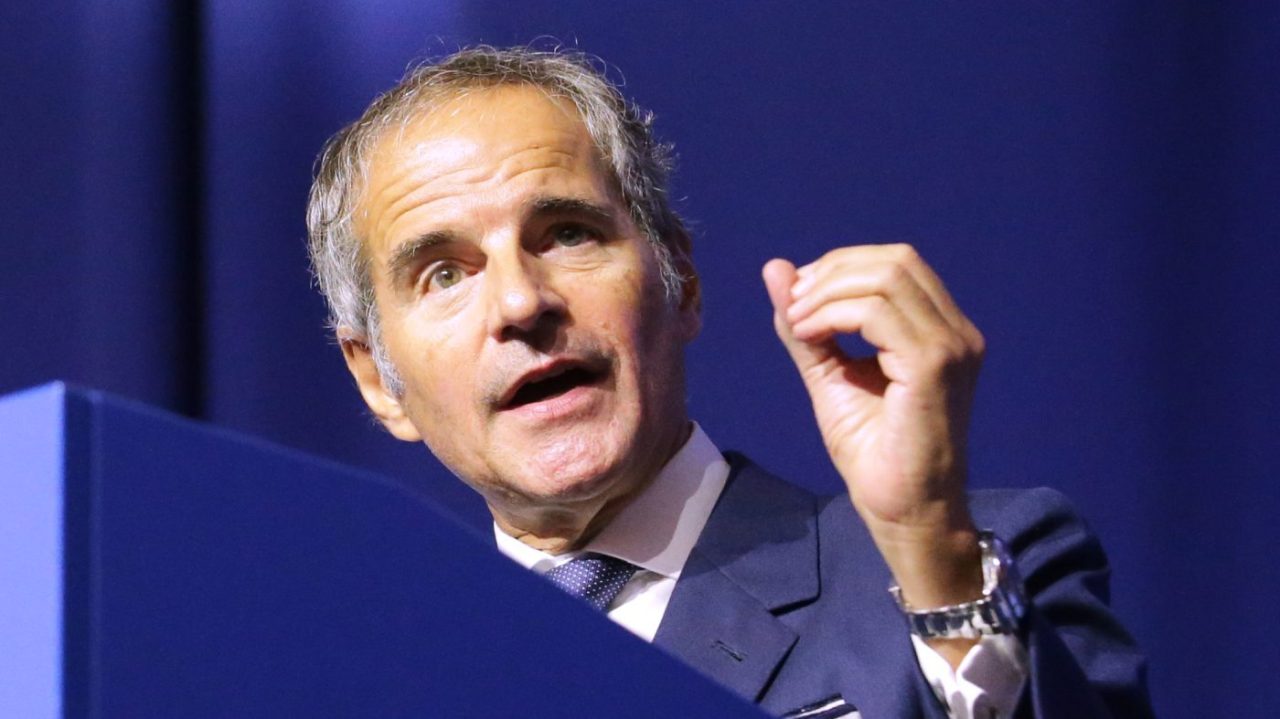
The head of the United Nations nuclear watchdog said Tuesday that there is no indication Iran has attempted to repair or reconstruct its nuclear facilities that were damaged in U.S. and Israeli military strikes over the past two years. The statement comes as the U.N. Security Council convened to address Tehran's noncompliance with its nuclear obligations.
Rafael Grossi, director general of the International Atomic Energy Agency (IAEA), told the council that since June 2025, the agency has not detected any activity aimed at restoring the damaged sites. He pressed Iran to allow inspectors to visit all nuclear facilities, including those that were hit in the attacks, emphasizing that the IAEA has been unable to verify the status of Iran's stockpile of near-weapons-grade uranium since the U.S. bombed its sites last year.
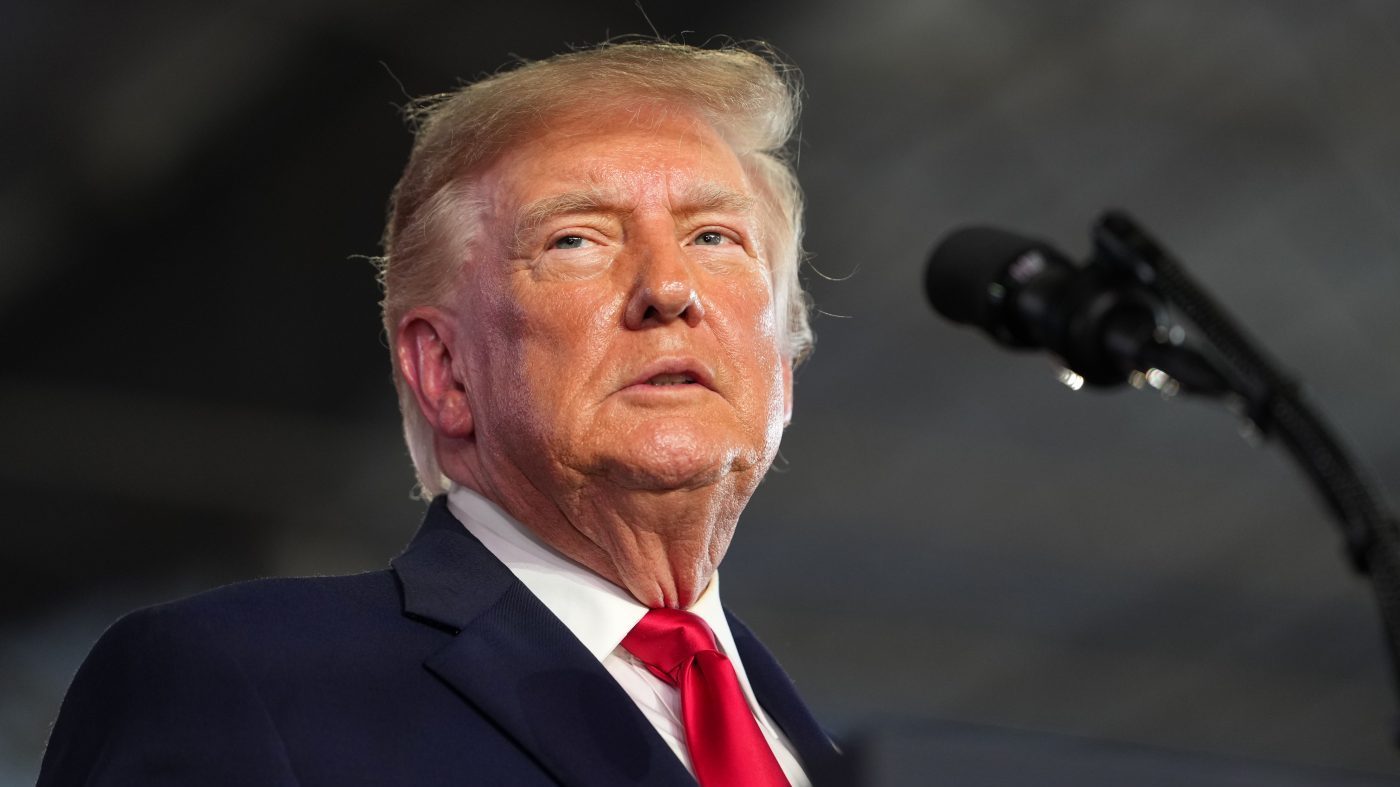
President Donald Trump has repeatedly claimed that the U.S. strikes on Iranian nuclear sites in June 2025 "obliterated" the country's atomic program, and he has cited the goal of denying Tehran nuclear weapons capability as a key reason for the war that began on Feb. 28. However, the lack of repairs and the IAEA's inability to access the sites have raised questions about the actual state of Iran's program.
The Security Council meeting was requested by Bahrain, Denmark, Latvia, France, the United Kingdom, and the United States after the IAEA referred Iran to the council for failing to meet its nuclear nonproliferation obligations under the Nuclear Non-Proliferation Treaty. Russia and China, which have close ties to Iran, attempted to block the session but were unsuccessful.
Iran maintains that its nuclear activities are peaceful, but the IAEA reports that Tehran has accumulated 440.9 kilograms (972 pounds) of uranium enriched to 60 percent purity—a short technical step from the 90 percent threshold considered weapons-grade. This stockpile, combined with the lack of inspections, has fueled international concern.
Iran's deputy U.N. ambassador, Gholamhossein Darzi, used his remarks to condemn the U.S. and Israeli "wars of aggression against Iran" and accused Washington of committing war crimes against the Iranian people. He did not address the IAEA's unanswered questions or the demand for inspectors, but instead pointed to Israel's alleged nuclear arsenal, saying, "Israel possesses nuclear weapons, yet your concern is the absence of inspectors in Iran." Israel has never officially confirmed having nuclear weapons.
U.S. Ambassador to the U.N. Mike Waltz fired back, calling Iran a "brutal dictatorship" and challenging the Iranian envoy to apologize to Bahrain's representative for attacks on that country. "We've heard tireless allegations against the United States," Waltz said. "What we have not heard today is an explanation for Iran's continued failure to satisfy its safeguard obligations." He added that the IAEA has asked Iran for answers and that it would be wise for Tehran to start providing them, concluding, "Your lies are no good here."
The White House did not immediately respond to requests for comment. The diplomatic standoff comes as the economic fallout of the Iran conflict has become a political liability for Republicans ahead of the midterm elections. Trump has downplayed the impact, arguing that higher fuel prices are a necessary price to prevent a nuclear-armed Iran. For more on the domestic political stakes, see how the conflict is shaping GOP prospects.
Meanwhile, Iranians are bracing for the possibility of renewed strikes as elections approach, with Tehran's foreign minister warning against further U.S. action. The IAEA's inability to verify Iran's nuclear activities adds another layer of uncertainty to an already volatile region.