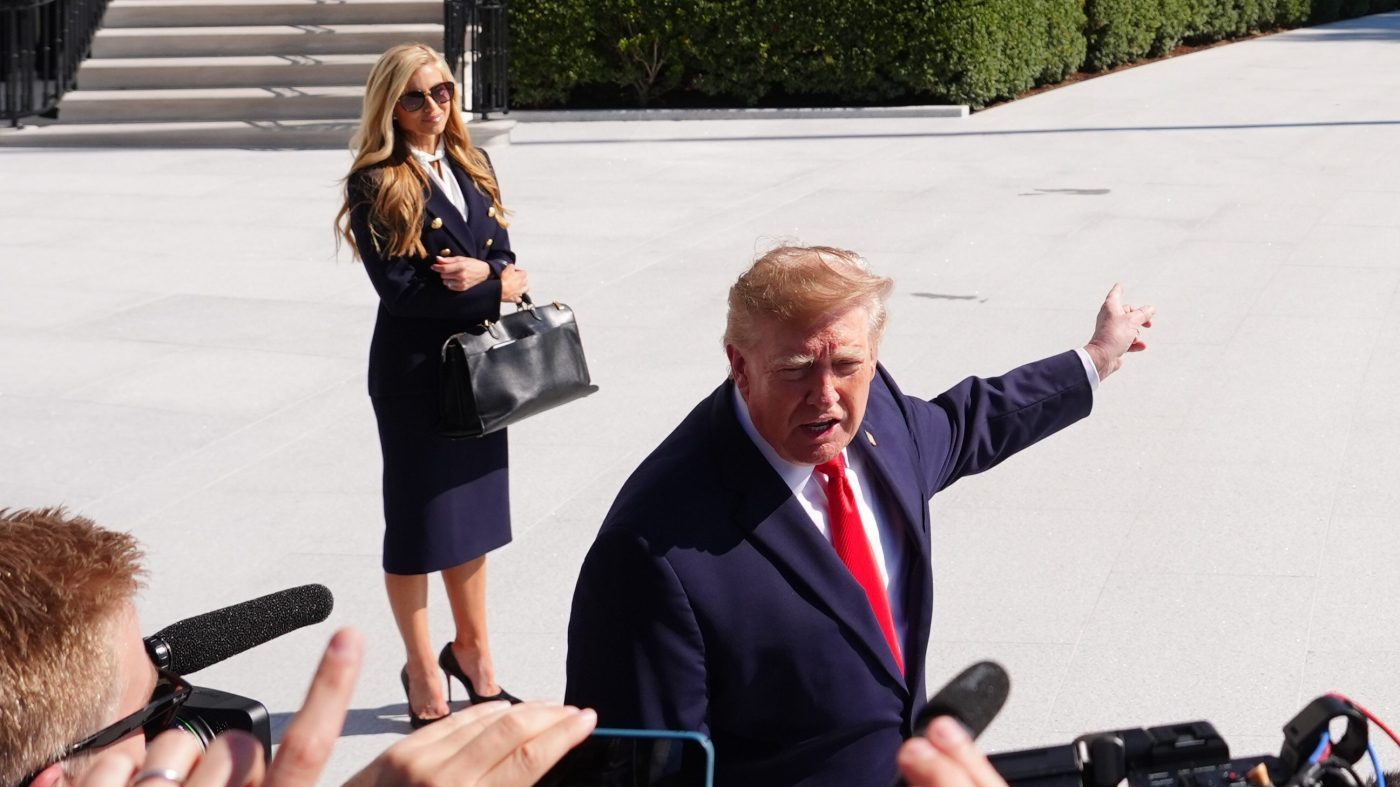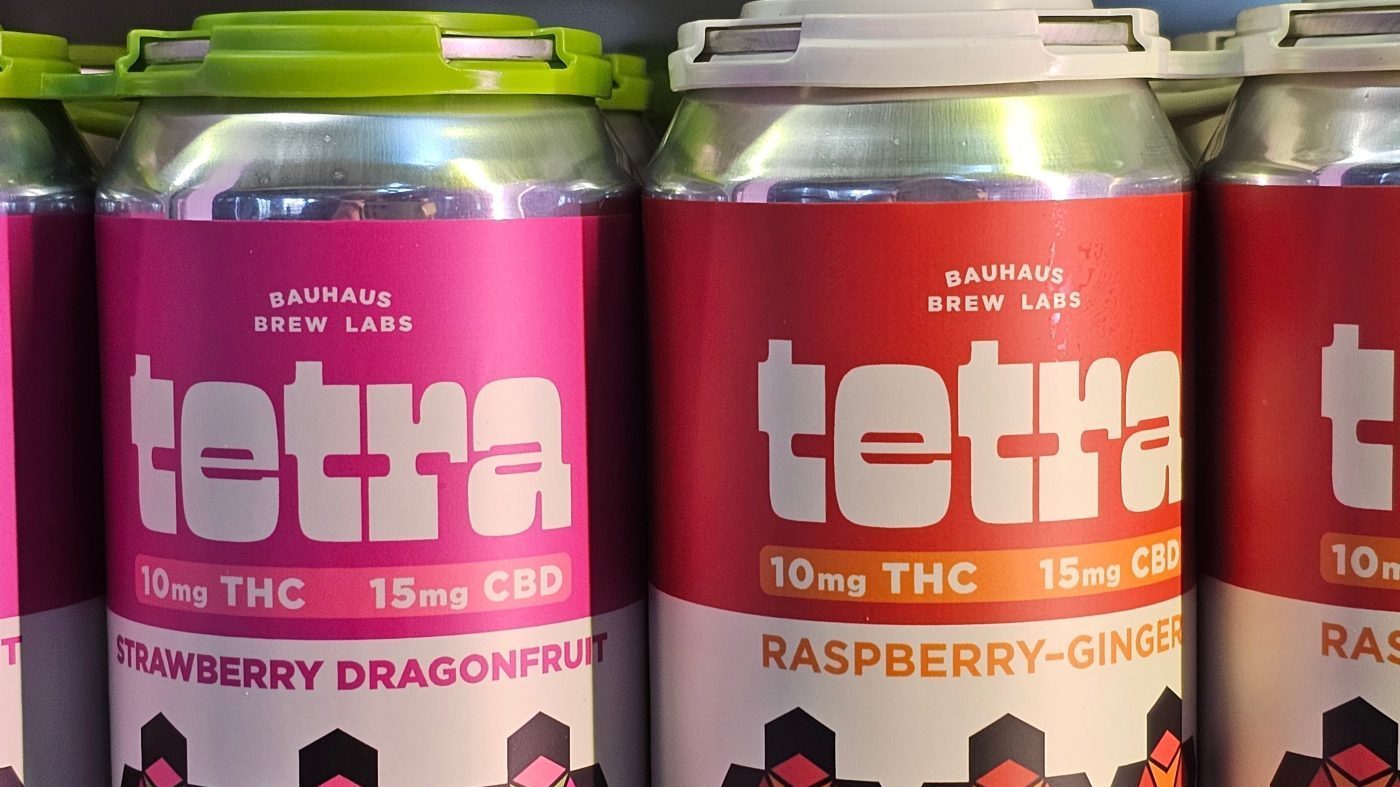
The House on Tuesday approved a short-term government funding bill that grants the intoxicating hemp industry an additional month to push back against an impending federal ban on its products. The continuing resolution, which keeps the government funded through Dec. 11, passed with a commanding 370-48 vote, with 19 Republicans and 29 Democrats opposing. The Senate had already advanced the measure by a wide margin, and it now heads to President Trump's desk for his signature.
The legislation postpones for 30 days a ban on most hemp-derived THC items, including gummies and beverages. The provision was added at the urging of the White House, which has prioritized delaying or revising the ban. This move comes as part of a broader budget fight that has been deferred past the midterms.
Industry Groups Hail Delay as a Victory
Hemp industry advocates are celebrating the delay as a significant win, arguing it provides crucial time to persuade lawmakers to adopt a regulatory framework rather than an outright prohibition. The U.S. Hemp Roundtable issued a statement to its members, saying, "This extension gives us one additional month, and we intend to make every day count. We will continue working with lawmakers and stakeholders to advance a comprehensive federal framework that protects consumers, prevents youth access to intoxicating products, provides certainty for farmers and businesses, and preserves access to lawful hemp products."
Christopher Lackner, founder and president of the Hemp Beverage Alliance, echoed that sentiment, stating, "The hemp beverage industry looks forward to working with Congress to create a regulatory framework that protects public health, keeps products away from minors, and permanently removes the bad actors that sell untested, high-potency, copycat gummies and candies that target children."
Conservative Opposition and Marijuana Industry Pushback
However, the delay faced criticism from hard-line Republicans who voted against the continuing resolution, partly due to objections to the hemp provision. Some GOP lawmakers also opposed the rule for four unrelated bills. Their discontent underscores the tensions within the House GOP over the Senate's funding approach.
Marijuana industry representatives also expressed disappointment. Chris Lindsey, vice president of policy and state advocacy for the American Trade Association for Cannabis and Hemp, said his group is "disappointed" in the delay, even though it was anticipated. "Our sights are set on December," he said. "The loophole empowers bad actors, threatens public health, and undermines state regulations. We urge Congress to end the scourge of 'gas station weed.'"
Trump signed the ban into law last year as part of a broader spending bill that ended a record-long government shutdown. The ban was scheduled to take effect Nov. 12, but the hemp industry has been lobbying intensely against it, arguing that it would devastate a multi-billion-dollar sector.
Background and Future Outlook
The legislation aimed to close what critics call the "hemp loophole" created by the 2018 Farm Bill, which removed hemp from the controlled substances list and opened the door to a booming market for intoxicating products. Industry groups now have until December to convince lawmakers to adopt regulations instead of a flat ban.
As the debate continues, the political landscape remains fluid. The House's passage of the funding bill keeps the government open, but the underlying policy fight over hemp is far from over. Both sides are gearing up for a contentious showdown in the coming weeks, with the outcome likely to have significant implications for the hemp and cannabis industries.