A small but vocal faction of House conservatives is threatening to derail a procedural vote this week, a move that could freeze floor action and stall the Republican agenda, in protest of a Senate-passed stopgap spending bill that the chamber is scheduled to consider Tuesday.
The hardliners, including Reps. Chip Roy (R-Texas), Andy Harris (R-Md.), and Pete Sessions (R-Texas), are signaling they will vote against the rule that typically governs floor debate. While they likely lack the numbers to block the continuing resolution (CR) itself—which will be considered under suspension of the rules, requiring a two-thirds majority—they can effectively grind the House to a halt by defeating the rule, preventing other legislation from advancing.
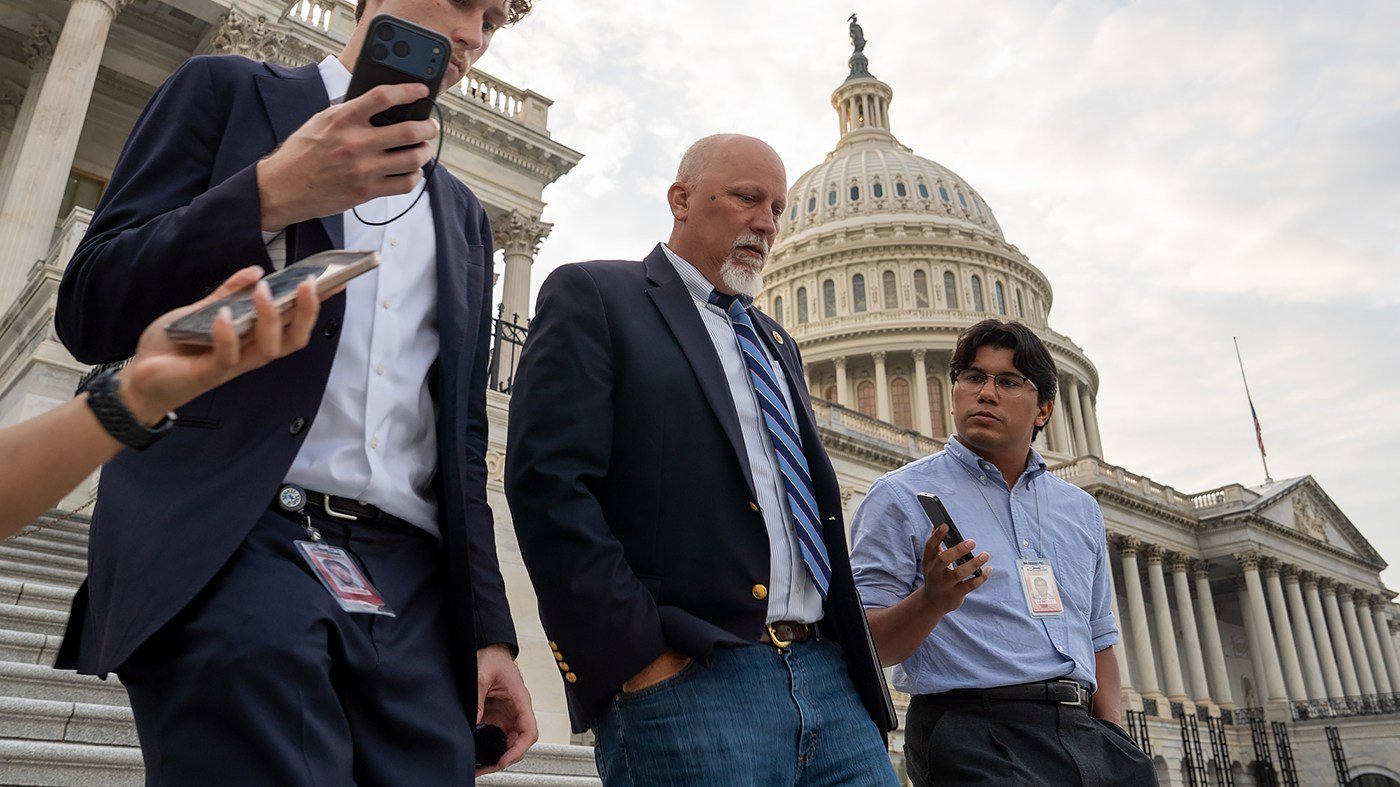
Roy told reporters Monday night that he plans to vote “no” on the rule, aiming to freeze the floor. He cited objections to several provisions in the Senate-passed CR, including a short-term delay on a ban on certain hemp products. He is pushing for a “clean” CR or the opportunity to attach his own priorities, such as reinstating a ban on federal funds for Planned Parenthood that lapsed over the summer.
“All of this could’ve been handled either by putting it in the rule and allowing some amendments or just doing a clean CR, they didn’t do that,” Roy said of the Senate. “So I’ve got major problems with that.”
Roy also sent a letter Monday to Reps. Tom Cole (R-Okla.) and Jodey Arrington (R-Texas), the chairs of the committees with jurisdiction over the CR, detailing his concerns. Harris, who leads the House Freedom Caucus, echoed Roy’s opposition Tuesday morning, also pointing to the hemp provision. Sessions, who rarely breaks with leadership, also said he would vote no.
Beyond hemp, some Republicans are unhappy with a provision that delays a rule giving White House political appointees more authority over federal grant disbursement. The growing unrest puts Speaker Mike Johnson (R-La.) in a tight spot: he can afford to lose only three Republicans on the rule vote, assuming full attendance. But with campaign season in full swing, dozens of lawmakers missed Monday night’s votes, adding another layer of uncertainty.
Cole, speaking to reporters Tuesday, said he had not yet received Roy’s letter and expressed sympathy with Harris’s concerns about the hemp delay, but he warned against risking a government shutdown before the midterm elections. “This should not have been on here, CR should not be controversial, so I’m sympathetic with that,” Cole said.
He also criticized the use of the rule as leverage, noting that traditionally, members are expected to support the rule regardless of their stance on the underlying bill. “A lot of this is we’ve got a group that wants to leverage the procedural votes to extract things that the majority of us probably don’t want to do. I find that disappointing,” Cole said. “I mean, if you’re going to be a member of the Republican conference, you ought to be able to vote for the rule. It’s just that simple, and you shouldn’t use it to leverage things against your own team. You want to vote against the bill? That’s perfectly fine, and that’s true in any bill. Your final vote on the bill is up to you, but blackmailing your colleagues is not the way to build an effective team.”
Despite the rebellion, Cole predicted the CR would still pass, in part because some Democrats are expected to support it. Meanwhile, not all Freedom Caucus members are on board with the rule fight: Rep. Ben Cline (R-Va.) said he generally supports rules and would vote for this one, while Rep. Tim Burchett (R-Tenn.) said he was “leaning toward voting for it” but would consult with colleagues first.
The standoff comes as the House also juggles other pressing matters, including ongoing foreign policy challenges and a busy legislative week. The outcome of Tuesday’s rule vote will signal whether Johnson can maintain control over his conference or whether the hardliners’ tactics will force further delays.