Republican senators are increasingly voicing concerns about the Trump administration's handling of the Russia-Ukraine conflict, with the latest flashpoint being President Trump's decision to waive sanctions on Russia under newly passed legislation named for the late Sen. Lindsey Graham (R-S.C.). The waiver follows a controversial agreement between Trump and Russian President Vladimir Putin that allows Moscow to export diesel to the United States.
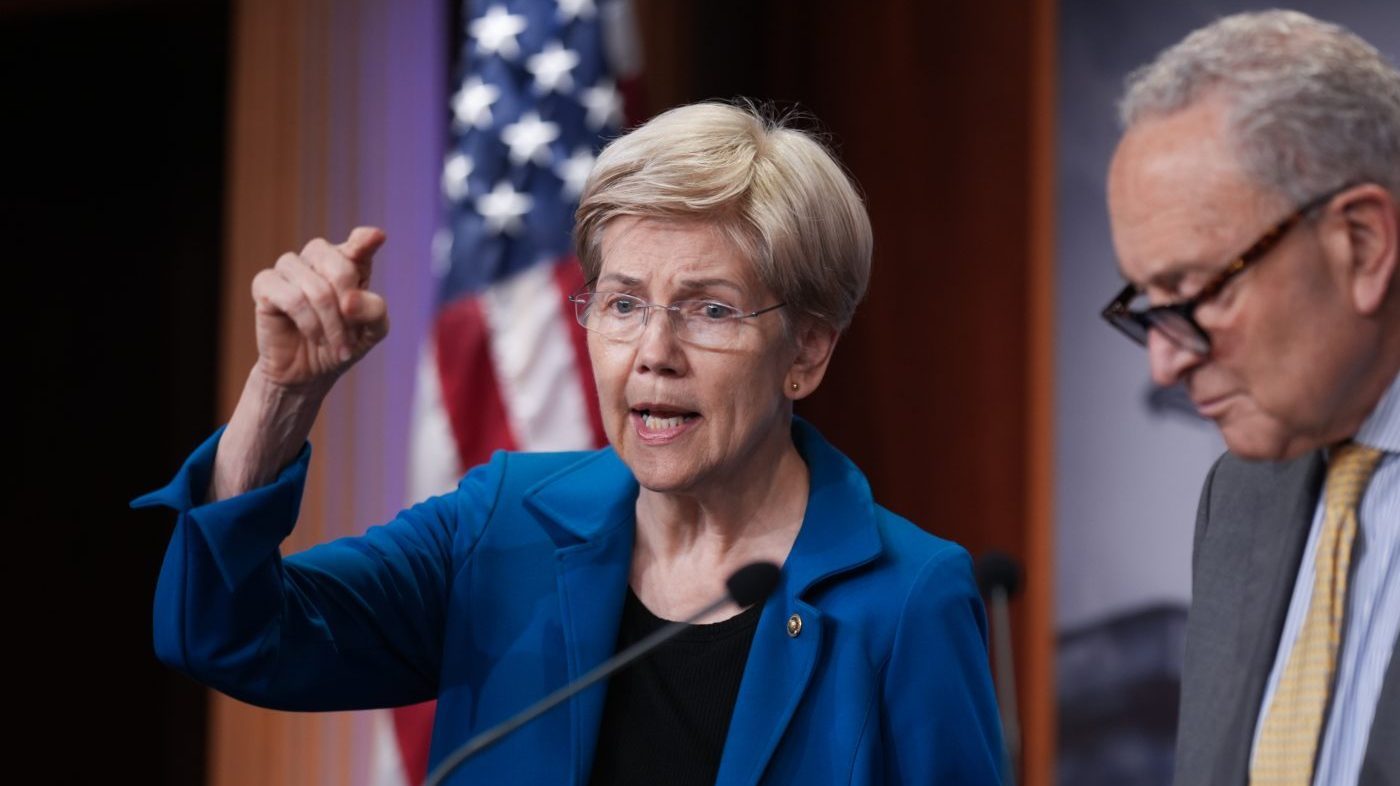
The friction underscores the political tightrope GOP lawmakers are walking as the midterm elections approach. With control of Congress at stake, several Republicans are distancing themselves from the White House's posture toward Moscow, fearing it could hurt them at the ballot box.

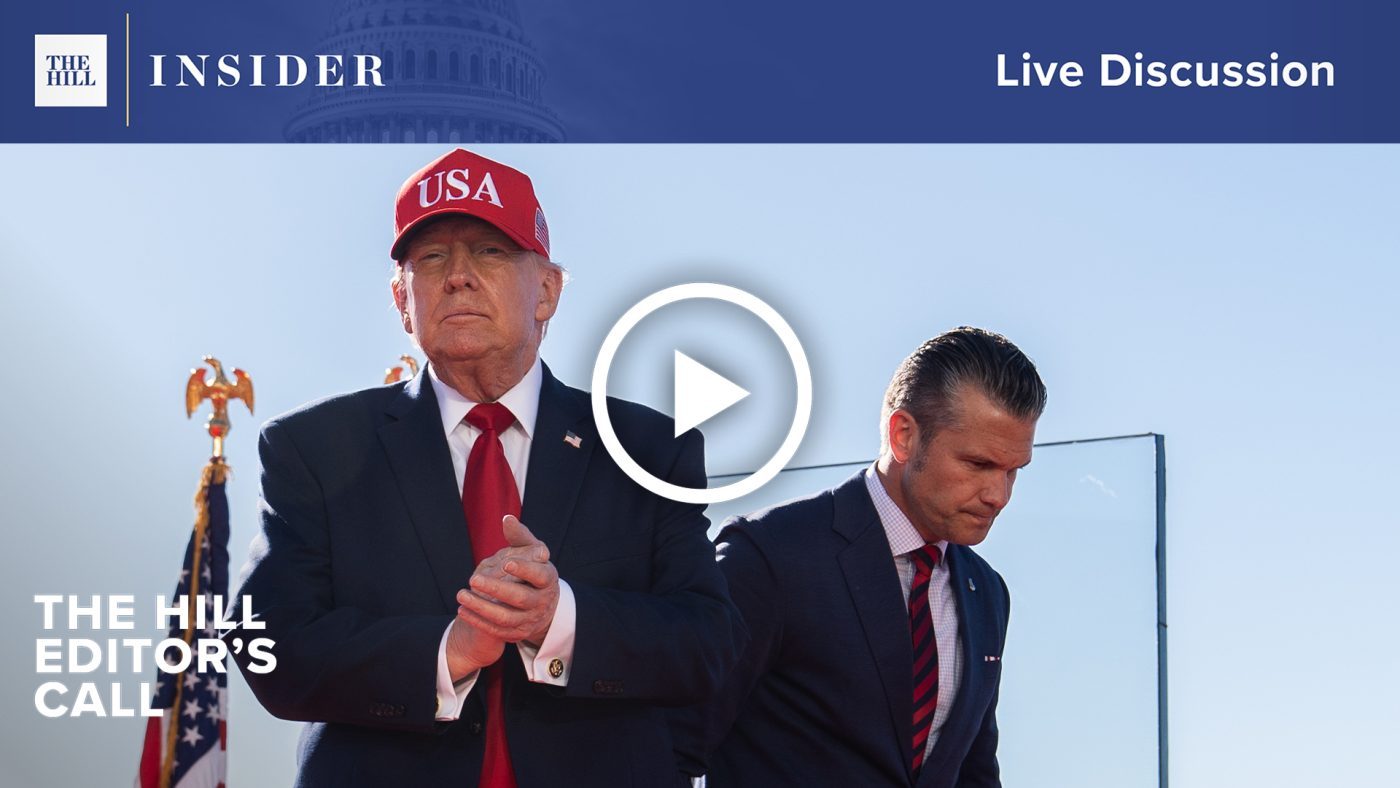
Senate reporters and campaign analysts are dissecting the implications. The Hill's Senate reporter Alexander Bolton joined Editor's Call to answer questions about what may unfold in the coming weeks and how lawmakers will respond. Campaign reporter Caroline Vakil also weighed in on the midterm landscape, noting that with just two weeks to go, the Russia issue is becoming a liability for some Republicans.
The discussion comes as Trump defends the sanctions pause while GOP lawmakers push back. The president has argued the waiver is necessary to ease energy prices, but critics within his own party are skeptical of Putin's intentions and worry about the signal it sends to allies.
Sen. Graham, whose name adorns the sanctions legislation, has broken with Trump on the waiver, citing deep distrust of the Russian leader. Other senior Republicans have echoed those sentiments, warning that the diesel deal could undermine U.S. leverage and embolden Moscow.
The White House has sought to downplay the discord, but the pressure is mounting as Trump heads to Kansas for a campaign rally. GOP strategists say the issue could galvanize Democratic attacks and complicate Republican messaging on national security.
Meanwhile, Trump's approval ratings have sunk to a new low amid growing midterm discontent, adding urgency to the administration's efforts to project strength. The Russia dispute is also drawing attention to Defense Secretary Pete Hegseth, who has been questioned about the administration's strategy in Ukraine.
Lawmakers are now weighing legislative responses, including possible resolutions of disapproval or attempts to attach conditions to future aid. The coming weeks are likely to see intensified debate as the midterms near, with both parties seeking to use the Russia issue to their advantage.
For now, the situation remains fluid, with no clear resolution in sight. The administration's next moves will be closely watched by allies and adversaries alike.