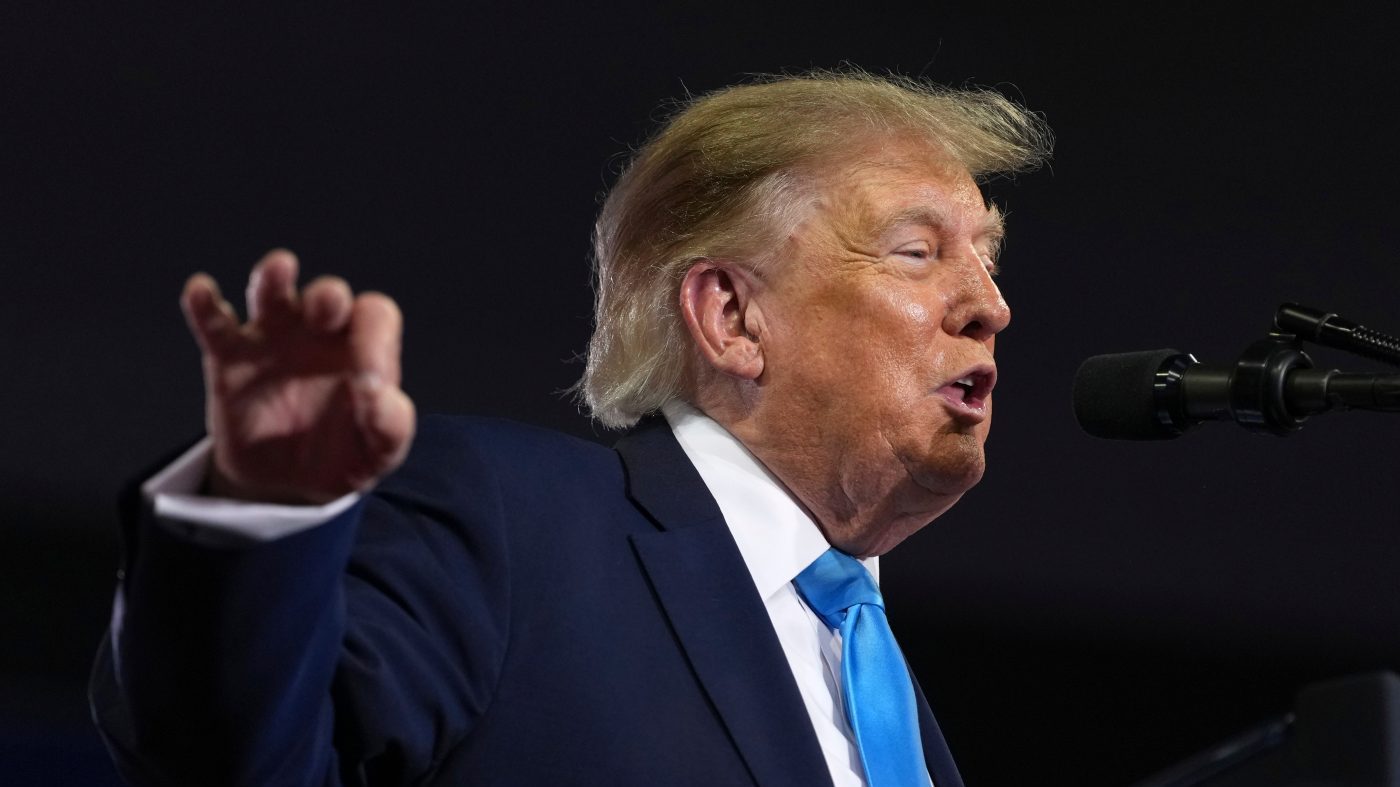
President Trump is defending his decision to postpone new sanctions on Russia, arguing that hitting Moscow now could derail diplomatic efforts to end the war in Ukraine. The White House maintains that keeping lines of communication open is essential to brokering a ceasefire.
The move, however, is drawing sharp criticism from within his own party. Senators Darline Graham (R-S.C.) and Thom Tillis (R-N.C.) have been the most outspoken, urging the administration to enforce the penalties mandated by legislation named after the late Sen. Lindsey Graham. Their push reflects growing unease among Republicans who question whether the president is being too lenient with Moscow.
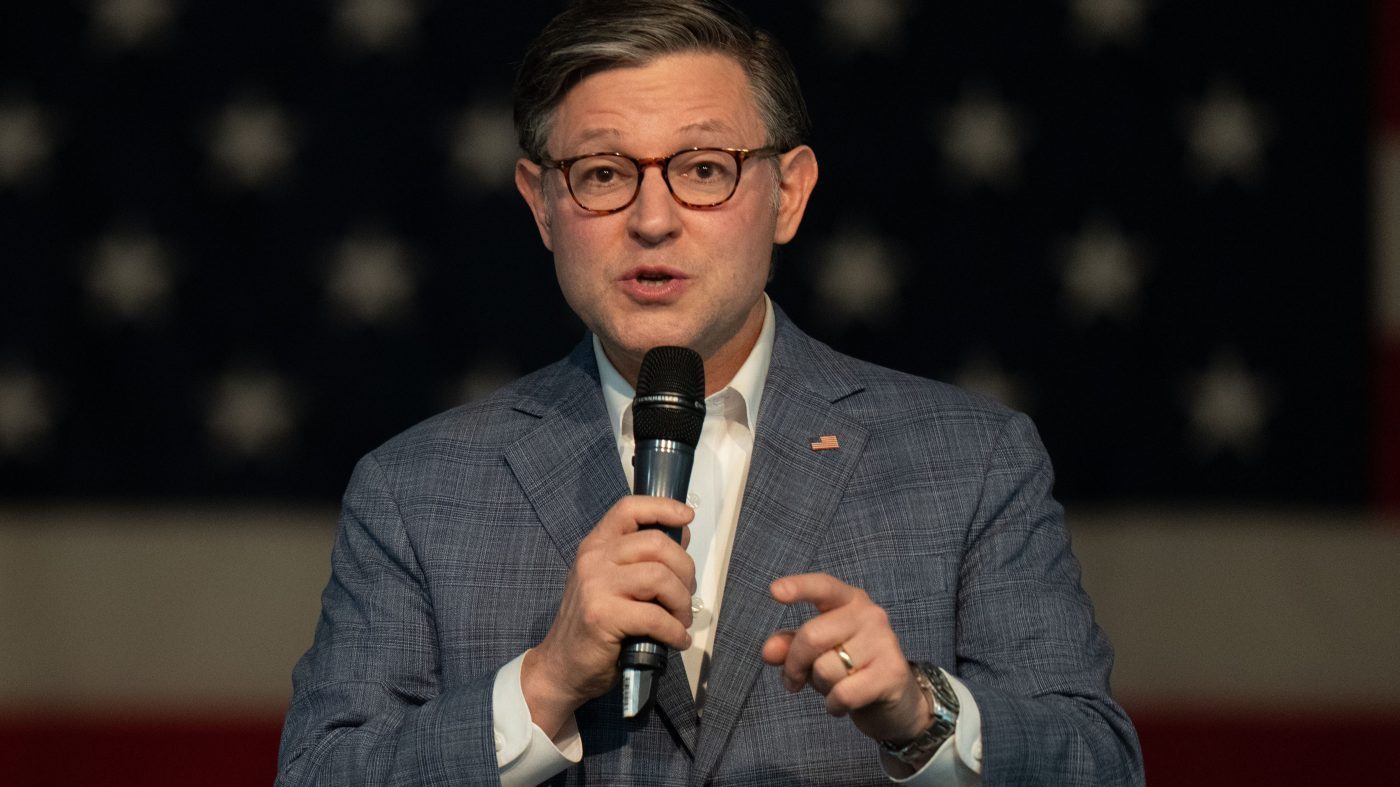
Treasury Secretary Scott Bessent over the weekend sought to address economic fallout from the conflict, noting that global oil prices will hinge on how the situation evolves. His comments come as energy markets remain volatile, with the war in Iran adding another layer of uncertainty.
With just two weeks until the midterms, Republicans are scrambling to maintain control of Congress despite unfavorable polling. The party's internal divisions over Russia policy are complicating an already tough electoral landscape.
In Florida, Democratic Senate candidate Angie Nixon defended her call for GOP Sen. Ashley Moody to be jailed over alleged fraud, a remark that has stirred controversy. Meanwhile, in the Texas Senate race, the U.S. Chamber of Commerce endorsed Attorney General Ken Paxton (R), whose faltering campaign has rattled GOP strategists.
Trump is set to sign an executive order with first lady Melania Trump in the Rose Garden Tuesday morning, followed by a campaign rally in Park City, Kansas. Vice President Vance will travel to Hendersonville, North Carolina, as part of the administration's final push.
The president's decision to waive sanctions has also drawn fire from former Vice President Mike Pence, who urged Trump to reverse course and scrap a related diesel deal. Ukrainian President Volodymyr Zelensky has similarly pressed for action, citing trust concerns despite ongoing tensions.
As the midterms approach, the Russia sanctions debate is becoming a flashpoint for Republican voters, with some candidates using it to distinguish themselves from the administration. The outcome could shape the party's stance on foreign policy for years to come.