Congressional Republicans are kicking a heavy load of must-pass measures into the post-election lame-duck session, raising the prospect of a chaotic scramble to meet a Christmas deadline. The list includes keeping the government funded, approving emergency money for the conflict with Iran, and renewing expired surveillance powers under the Foreign Intelligence Surveillance Act (FISA).
The House on Tuesday passed a stopgap spending bill that would keep agencies operating through Dec. 11, setting the stage for a bruising fight over defense versus nondefense spending once lawmakers return from the Thanksgiving break. A senior Senate GOP aide acknowledged that “a lot” of legislative work is being deferred, and questioned whether leaders can assemble an omnibus appropriations package—what insiders call “ash and trash”—in time.
The same aide suggested that Democrats might be more willing to negotiate after the election if their hoped-for wave of House and Senate gains fails to materialize. But the path is fraught: Senate Democrats have already blocked spending bills over what they say is an imbalanced 4.5-to-1 ratio favoring defense over domestic programs. The Trump administration’s request for a record $1.5 trillion in defense spending is a nonstarter for the opposition.
Beyond the budget, the Senate must tackle a stalled $1.15 trillion defense authorization bill, which Democrats blocked in July, and the lapsed FISA authorities that expired in June. The farm bill also remains in limbo after a Senate Agriculture Committee markup was canceled when Republican attendance fell short. Lawmakers are also eyeing a bipartisan college sports compensation measure, though its fate is uncertain.
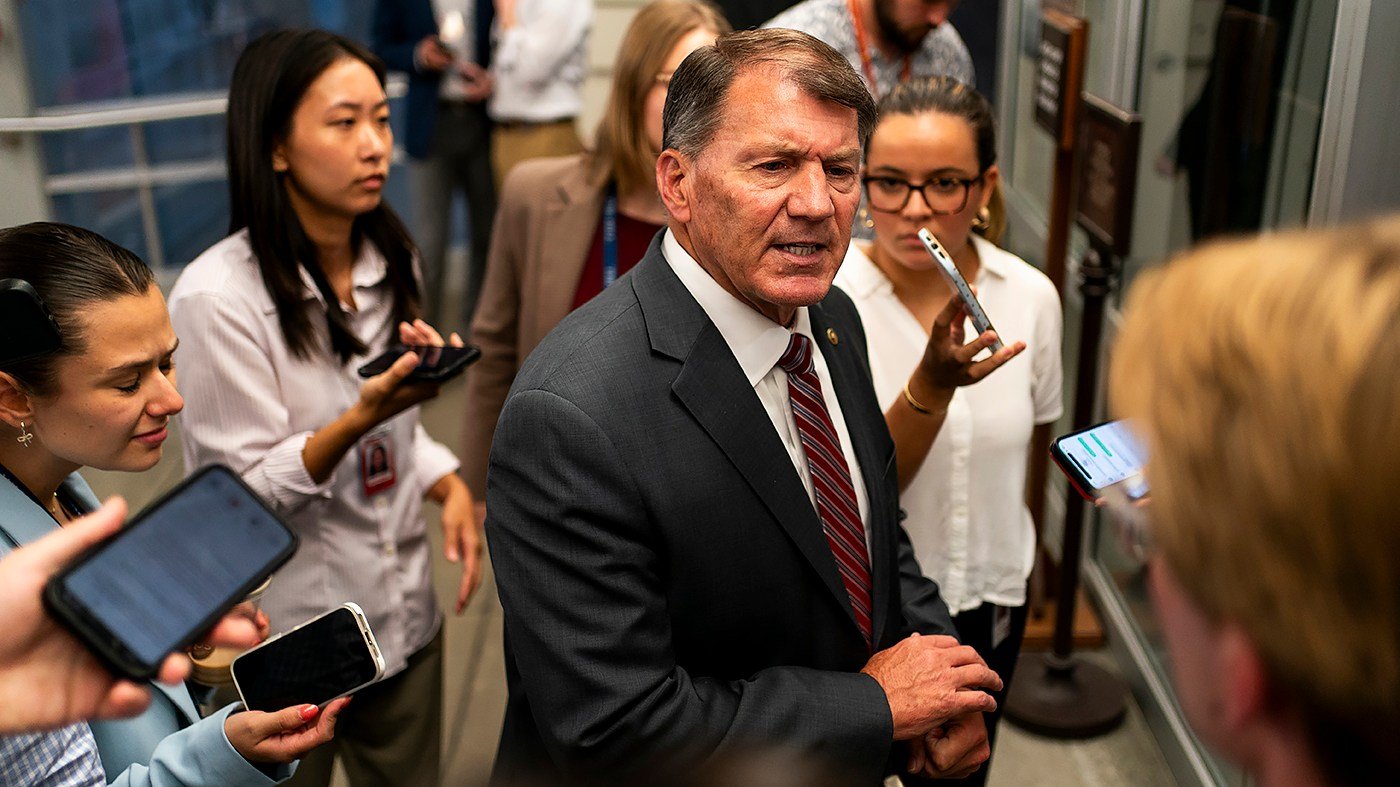
Complicating the calendar, Republicans are weighing a budget reconciliation package to fund the Iran war and provide up to $10 billion in election-integrity incentives to states. That process alone could eat up weeks of floor time, including two all-night “vote-a-ramas.” Sen. Mike Rounds (R-S.D.) acknowledged the pile-up, saying, “We are” adding to the lame-duck workload, and questioned whether it can all pass, especially if Democrats gain House control.
Rounds, a member of the Appropriations and Armed Services committees, predicted an omnibus with emergency Pentagon funding, followed by a separate reconciliation bill for the Iran conflict. But he conceded that the outcome hinges on the election results and whether the White House and congressional leaders can reach a consensus. “If leadership can come with an agreement… yeah, we can get some things done fairly quickly,” he said.
Meanwhile, the Senate is set to vote on the Clarity Act, a cryptocurrency regulatory framework, which is expected to fail due to Democratic demands for strict conflict-of-interest rules tied to the Trump family’s crypto ventures. Rounds, a Banking Committee member, said the bill “does not look good right now” because no ethics deal has emerged from the White House.
Senate Majority Leader John Thune (R-S.D.) is likely to delay the defense authorization bill and FISA renewal until after Nov. 3. Sen. Ron Johnson (R-Wis.) is drafting a budget resolution to enable reconciliation, but the legislative calendar is tight: only six or seven weeks between the election and Christmas, with a Thanksgiving recess.
As the short-term funding bill demonstrates, Congress is adept at punting deadlines, but the sheer volume of unfinished business could test that skill. With economic jitters and midterm messaging dominating the pre-election landscape, the lame-duck session may prove to be a legislative gauntlet with no guarantee of success.