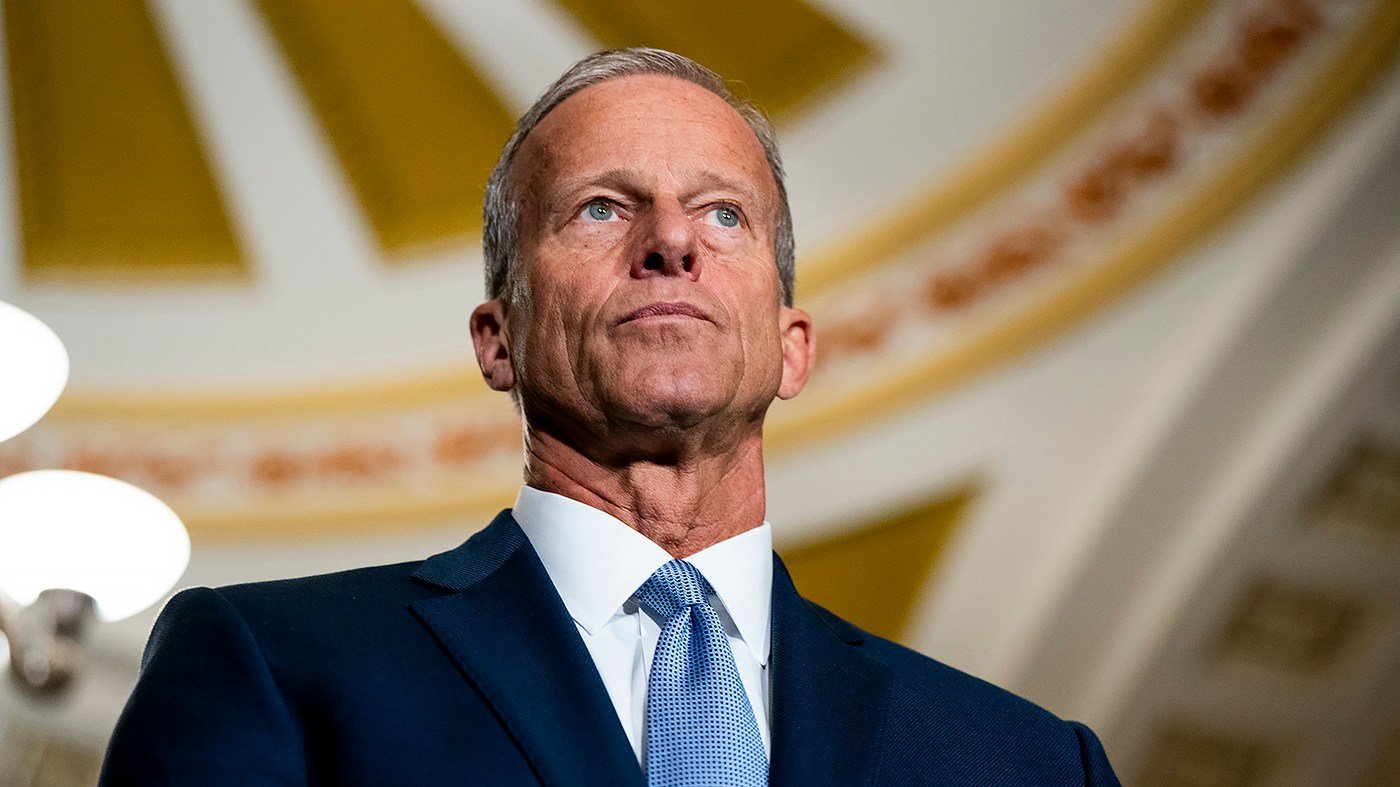
Republicans awoke Wednesday to the grim reality of a sweeping midterm defeat, their governing trifecta shattered and their ranks decimated. The party now faces a wrenching internal debate over its future direction and the extent to which it should break with President Trump, whose unpopularity and policy choices weighed heavily on the campaign.
The losses were so broad that even staunch allies acknowledged the political damage. Vice President Vance, a potential 2028 contender, pointed directly to the ongoing war in Iran as the primary cause. “The reason we lost is the war,” Vance wrote on X, adding that Trump himself had conceded as much. His blunt assessment marked a rare public admission from within the administration that its handling of the conflict had become a severe liability, even as Trump continues to defend the military engagement.

Other Republicans, while stopping short of criticizing Trump directly, signaled a new willingness to assert congressional independence. Senator Mike Rounds of South Dakota suggested that oversight of the executive branch, long deferred, would resume. “We’ll do our best to respect the office of the presidency, to work with the president, to try to move forward in terms of building our economy,” Rounds said. “But we’re also going to have to take a second look at some of the executive branch decisions that have been made.”
The scale of the defeat prompted soul-searching from veteran strategists. Douglas Heye, a longtime Republican operative, called the outcome “inevitable,” citing Trump’s refusal to address voter concerns, his sinking approval ratings, and a campaign that veered off-message. “Where the party goes from here — no one knows,” Heye said.
In the Senate, Democratic Leader Chuck Schumer predicted that some Republicans would back efforts to end the Iran war swiftly, potentially using the power of the purse to force the issue. Schumer’s comments underscored the shifting political calculus, as even some GOP lawmakers now see the war as a drag on their electoral prospects.
Among the most vocal critics was Senator John Cornyn of Texas, who lost his primary to Trump-backed Ken Paxton, a defeat that presaged the party’s broader troubles. In a Wall Street Journal op-ed, Cornyn accused Trump of “misreading the mandate” from 2024 and blamed tariffs, “hyperaggressive immigration enforcement,” and the Iran war for alienating voters. He also took aim at the party’s embrace of flawed candidates like Paxton and Georgia Senate nominee Mike Collins, arguing that Republicans had “shrank the tent” by nominating figures with scandals and character flaws.
Senator John Curtis of Utah echoed similar themes, calling for a return to traditional conservative principles. “We know from experience, not just theory, that a truly conservative policy agenda fosters the greatest chance for human flourishing,” Curtis wrote, invoking the legacy of Ronald Reagan.
Senate Republican Whip John Barrasso offered a more combative stance, vowing to “aggressively oppose terrible ideas” and focus on “driving down prices.” But he stopped short of addressing the internal divisions, leaving the party’s message unclear.
Outside conservative groups are also weighing in, with some issuing blistering critiques of Trump and others offering roadmaps for rebuilding. The Heritage Foundation’s Chip Wyatt suggested that the party must learn from the defeats, though he provided few specifics.
As Republicans sift through the wreckage, the question of Trump’s influence looms large. Some, like Cornyn, argue for a decisive break, while others, like Barrasso, prefer to rally around the base. The coming weeks will test whether the party can forge a coherent path forward — or remain mired in the same divisions that contributed to Tuesday’s rout.